Framed and on the wall
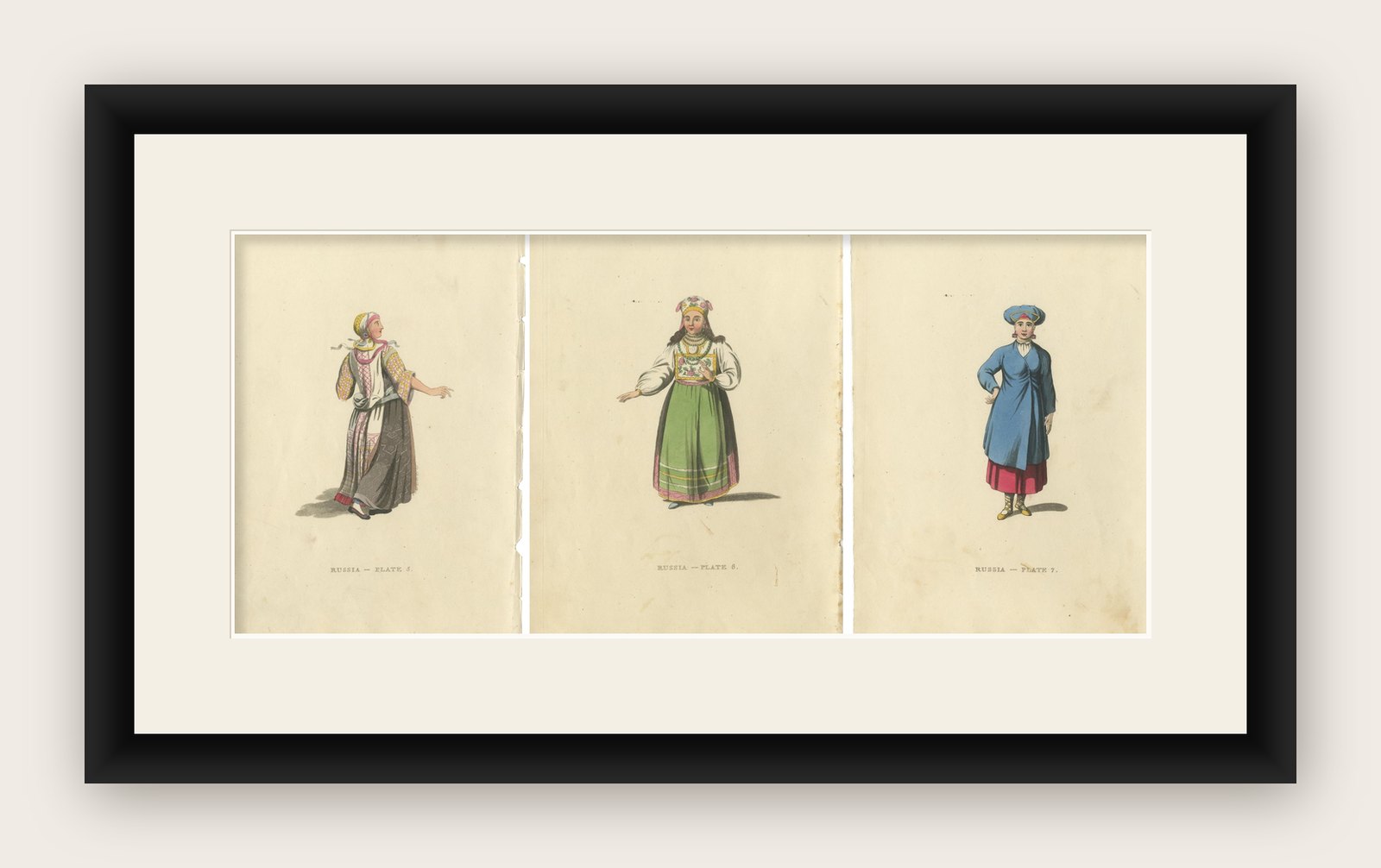

Frame and rooms are illustrations of how the print could look; the description says what is included.
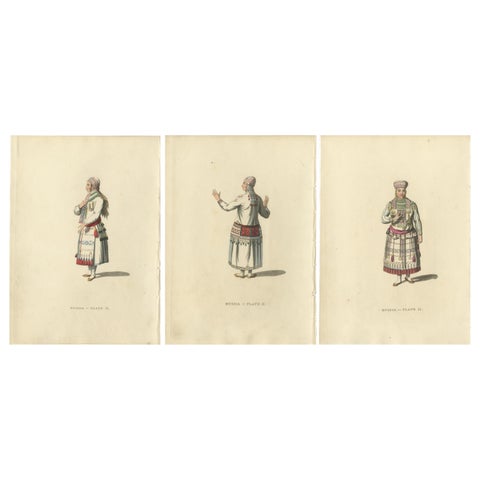
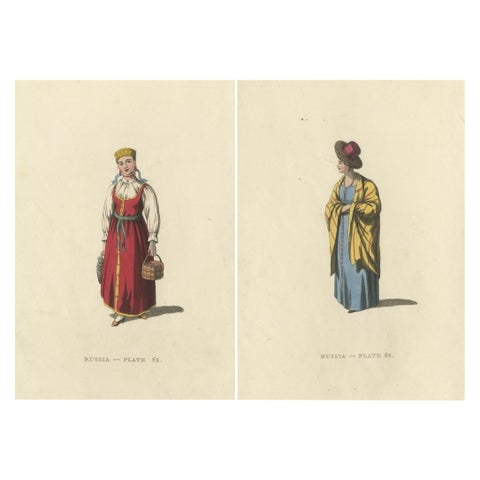
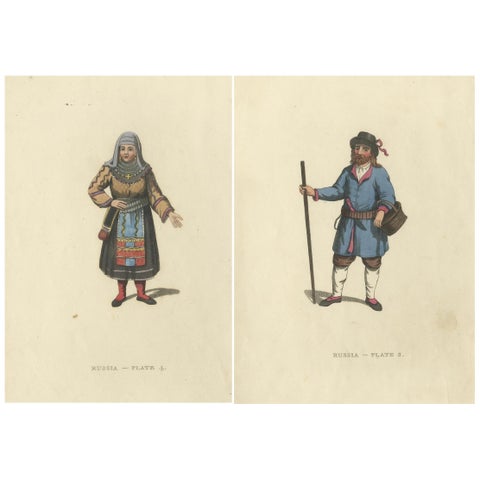
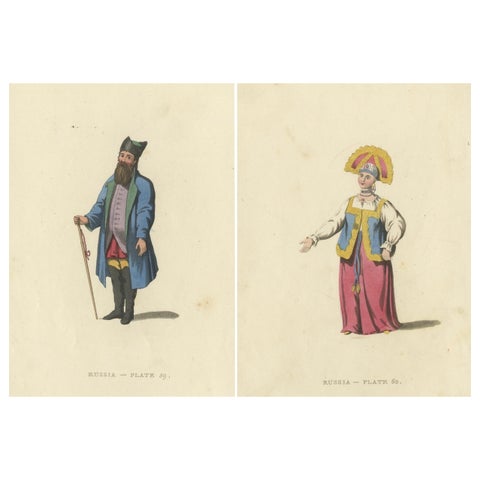
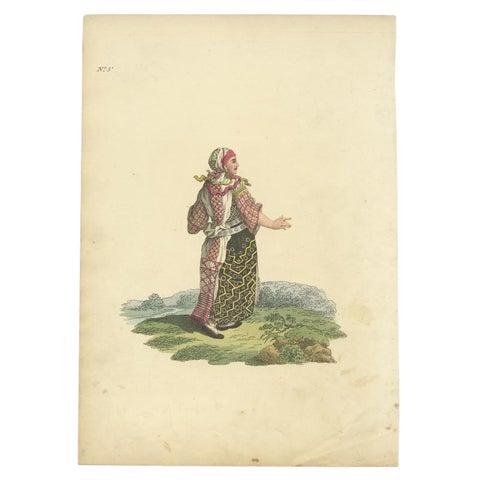
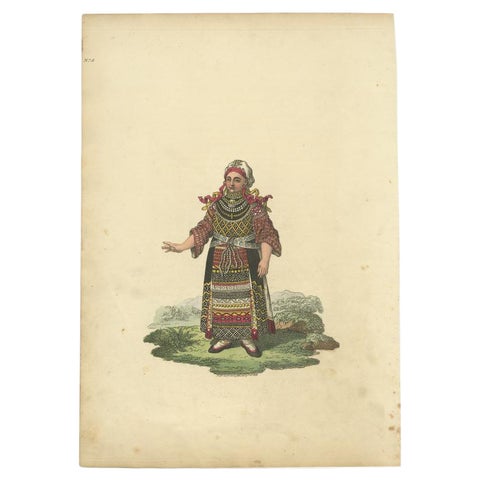
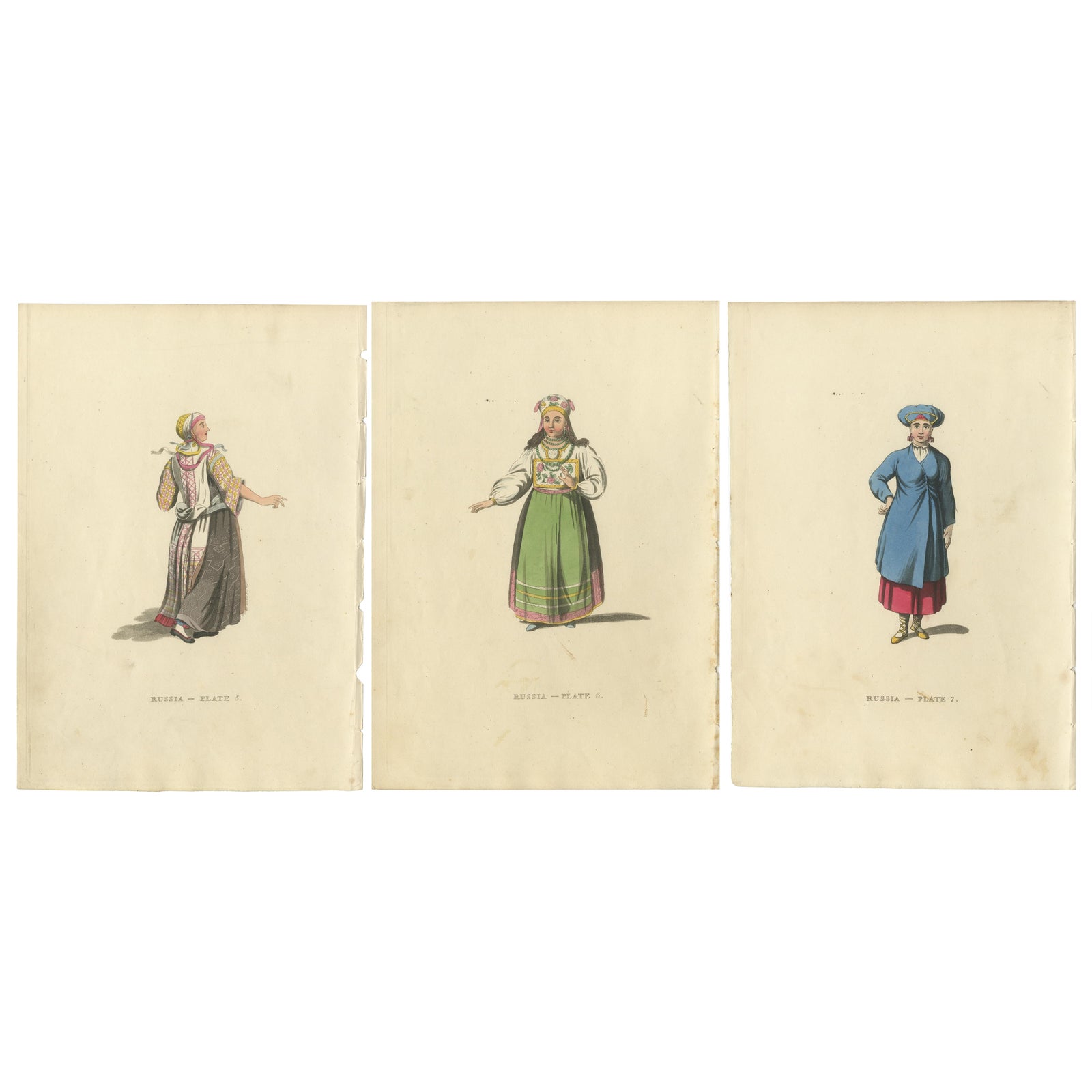
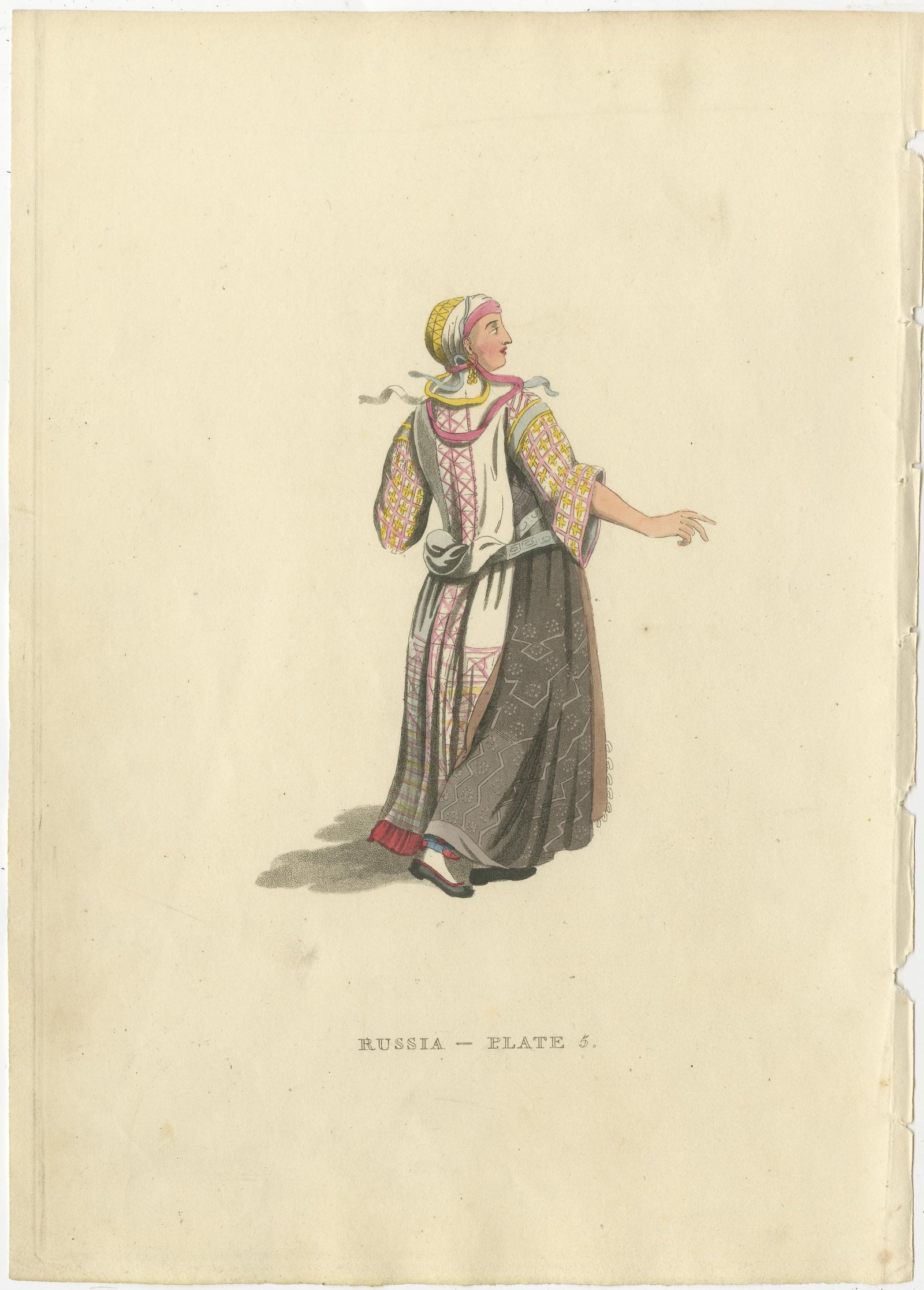
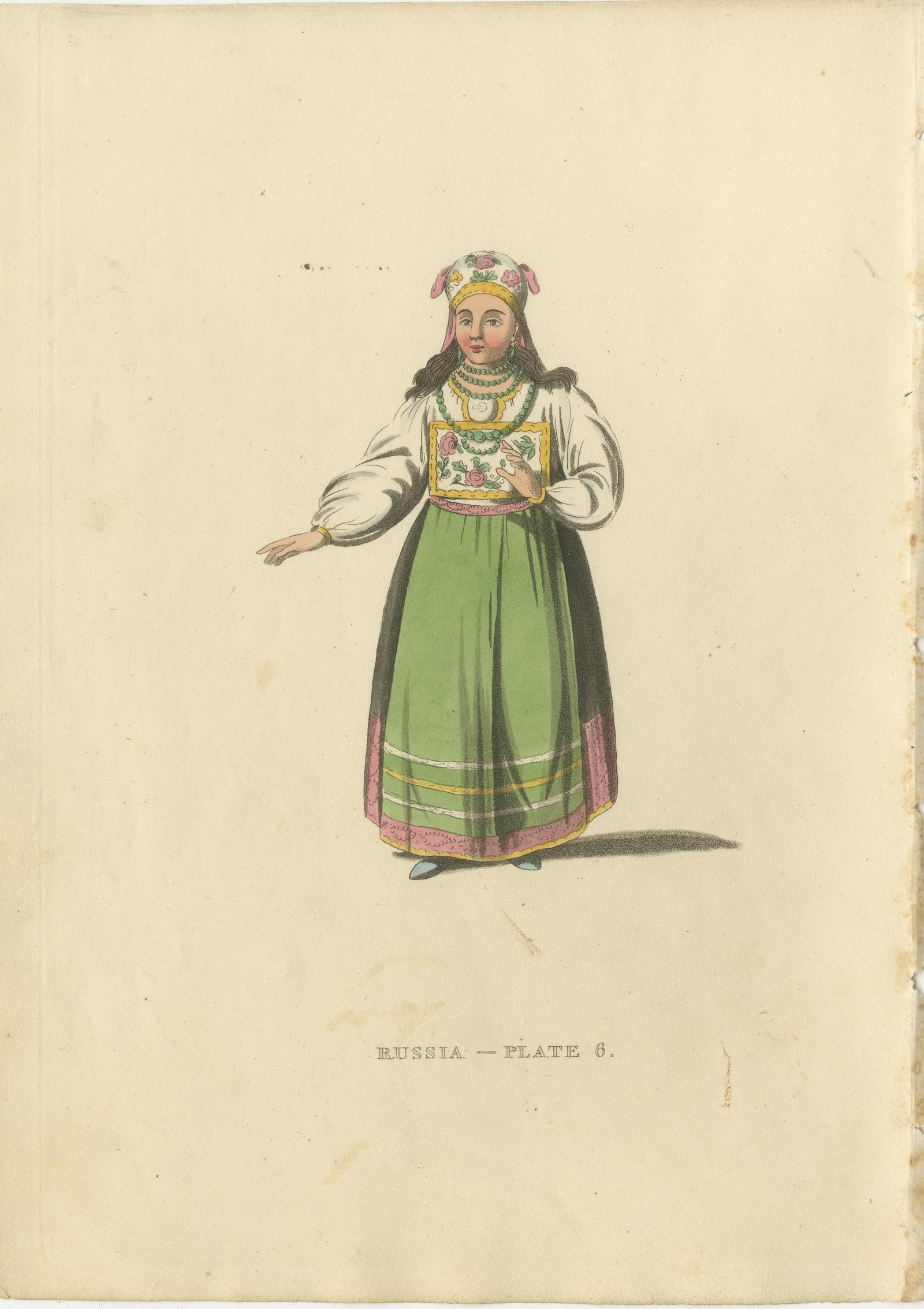
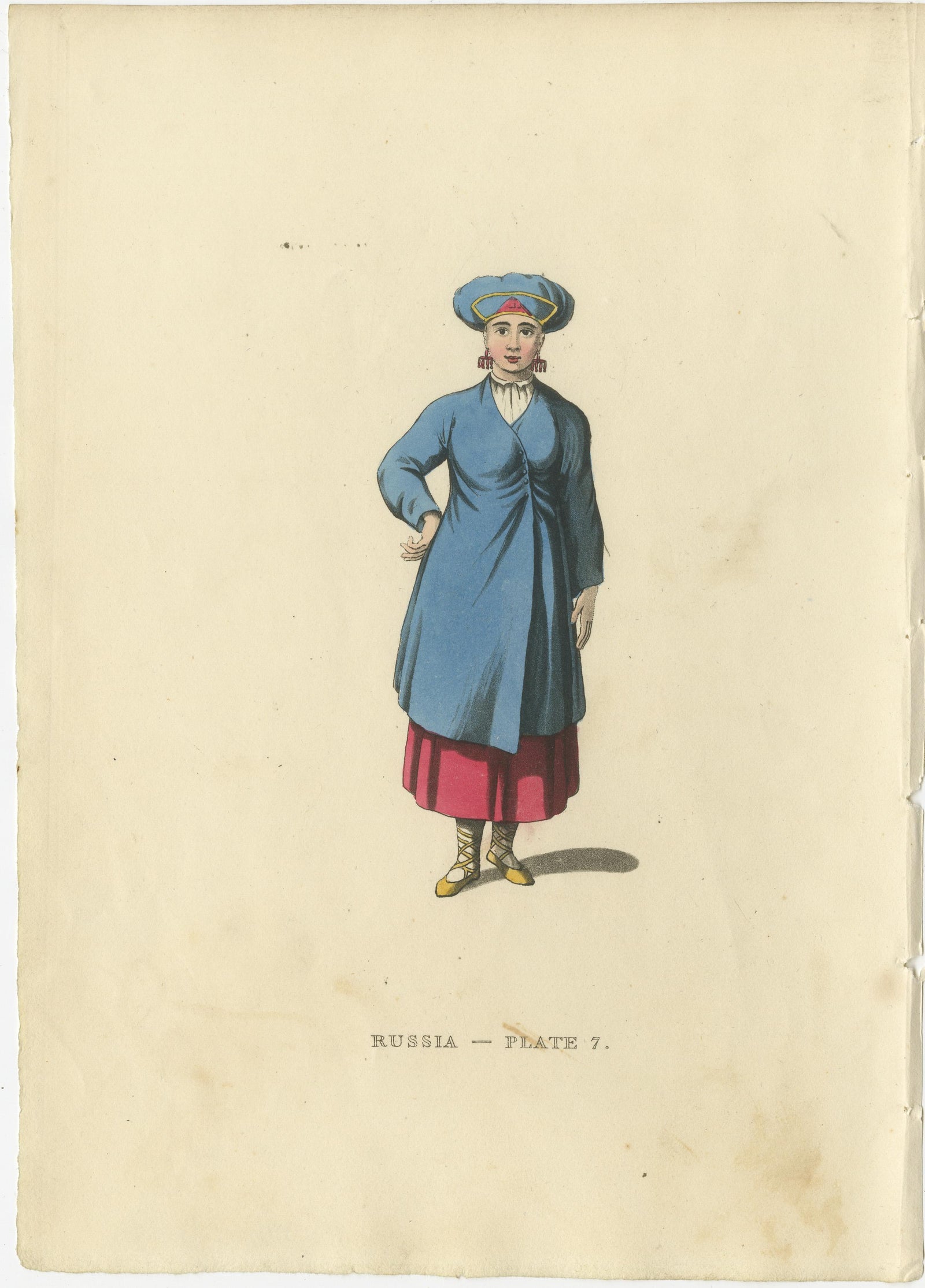
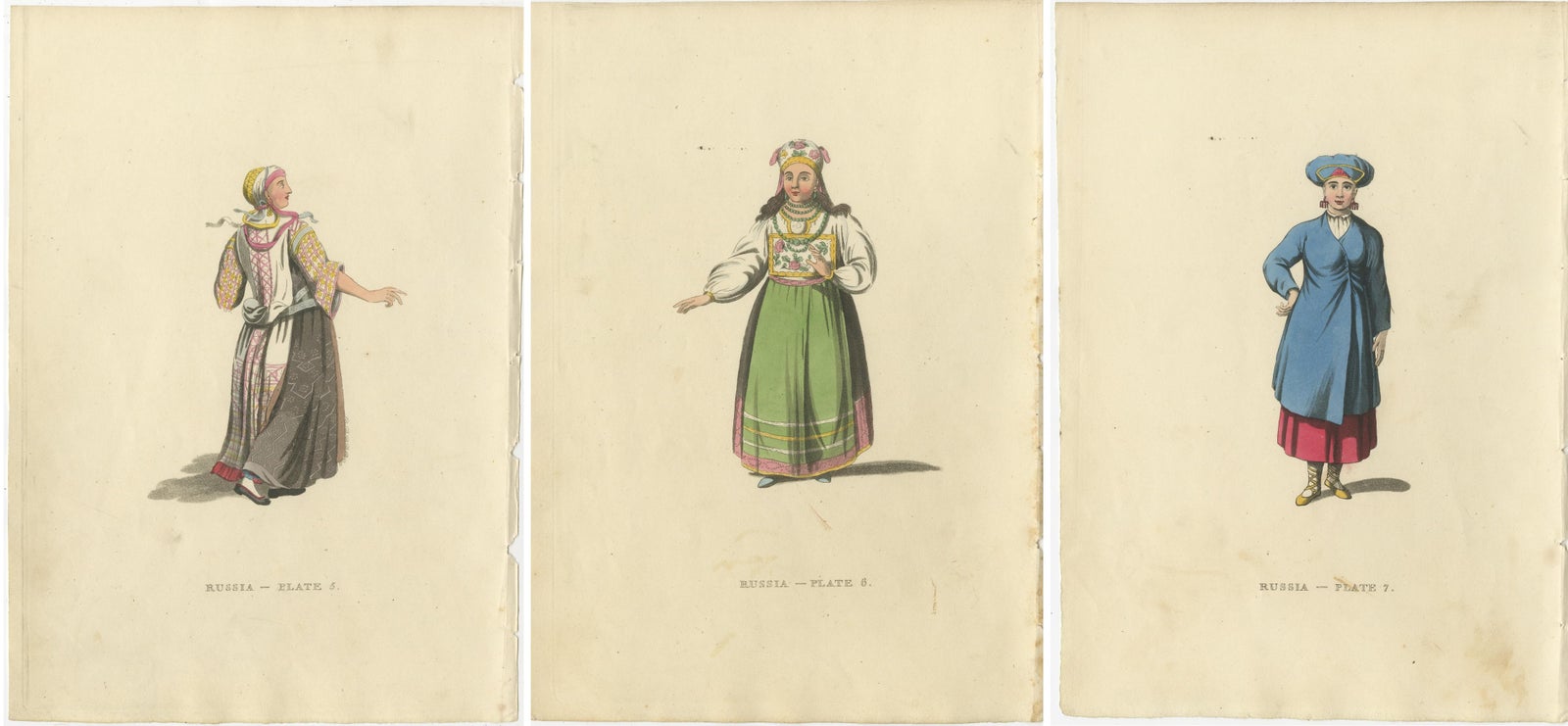
Traditional Attires of Finnish, Estonian and Angria Women in Former Russia, 1814
$370
€330 · £280
Original print, not a reproduction.
Ships worldwide from the Netherlands, flat, insured and tracked. 14-day returns. To buy, use Ask a question and we will reserve the print for you.
- Date
- 1814
- Sheet size
- 9.4 × 6.7 in (24 × 17 cm)
- Condition
- Good. Very good, given age. General age-related soiling, toning and/or occasional minor defects from handling, adding to its patina. Please study scans carefully.
- Wardrobe
- Folk finery
- Era
- 1790 to 1840, Empire and Romantic
- Stock no.
- f_38698002
The engravings are a rich visual documentation of the cultural attire and customs from different regions within or associated with the Russian Empire in the early 19th century. William Alexander's "Picturesque Representations of the Dress and Manners of the Russians" is a notable work for its detailed illustrations, capturing the essence of the traditional dresses with a high degree of accuracy and artistry.
- A Woman of Finland: The engraving would typically show a Finnish woman in her summer holiday dress. This would likely be a vibrant and detailed costume, reflecting the local traditions and the summer season's influence on clothing. The attire might include elements such as a decorated headscarf, a brightly colored bodice, and a full skirt, which would be practical yet festive for holiday occasions.
- A Woman of Estonia: The Estonian woman's attire in the engraving would showcase the traditional dress of Estonia, which often includes a finely woven skirt, a long-sleeved blouse, and a distinctive vest or bodice that is richly decorated. Accessories may include a unique headgear and jewelry, indicative of the woman's regional identity and social status.
- A Female Peasant of Ingria: Ingria, historically a part of the Russian Empire and located in the vicinity of present-day Saint Petersburg, would have its own unique peasant attire. The engraving would likely depict a simple yet functional dress, possibly with a headscarf, an apron, and other elements that are practical for daily peasant life, while also bearing traditional patterns and motifs.
These images serve not only as works of art but as anthropological records, offering insights into the materials, weaving techniques, and aesthetic preferences of different cultures under the Russian Empire's vast expanse at that time. The illustrations would be expected to pay attention to the textiles' texture, patterns, and the overall silhouette of the garments, capturing the individuality and beauty of each region's traditional dress.