Framed and on the wall
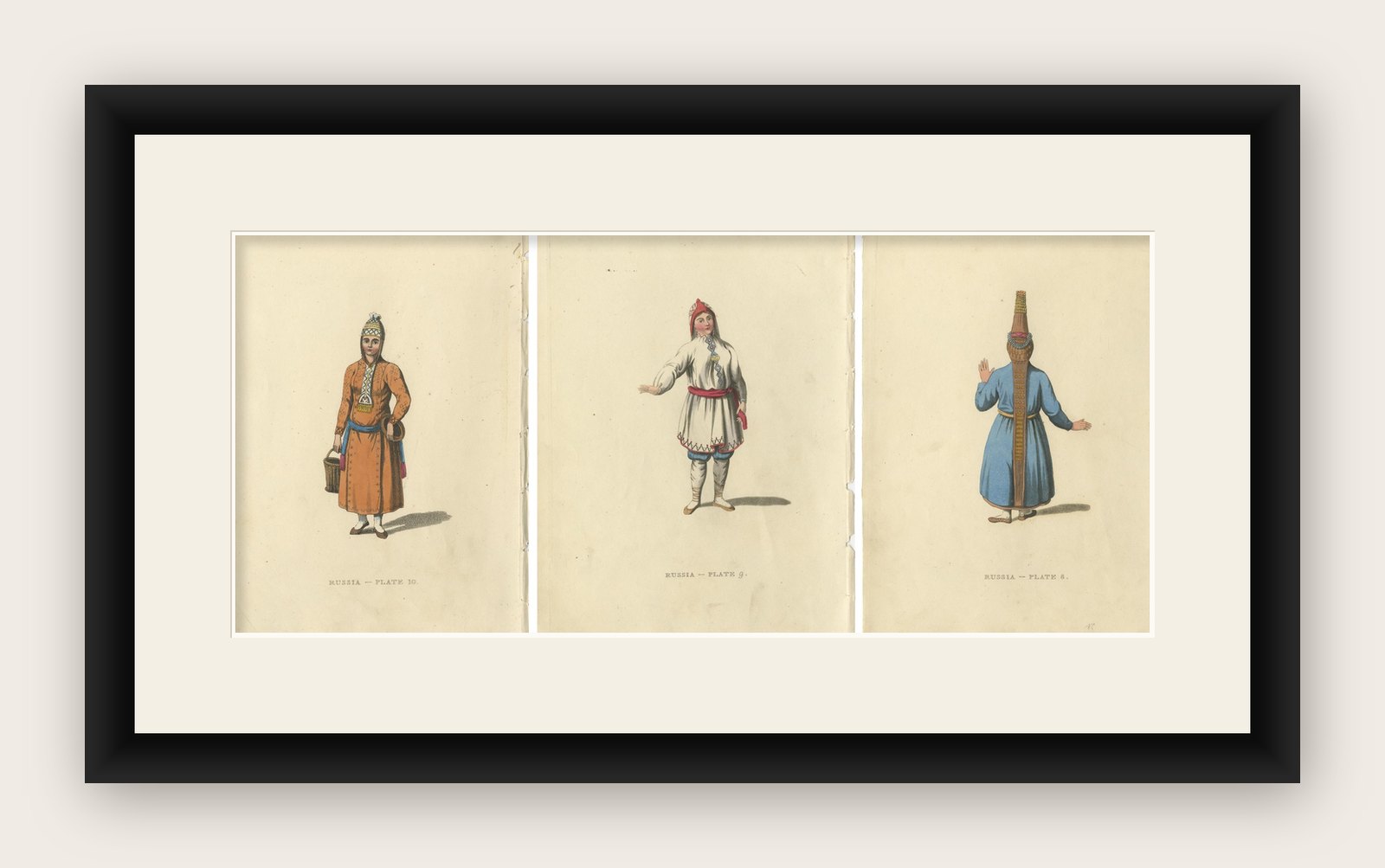

Frame and rooms are illustrations of how the print could look; the description says what is included.
A Visual Journey through 19th-Century Russian Ethnic Attire, Engraved in 1814
$370
€330 · £280
Original print, not a reproduction.
Ships worldwide from the Netherlands, flat, insured and tracked. 14-day returns. To buy, use Ask a question and we will reserve the print for you.
- Date
- 1814
- Sheet size
- 9.4 × 6.7 in (24 × 17 cm)
- Condition
- Good. Very good, given age. General age-related soiling, toning and/or occasional minor defects from handling, adding to its patina. Please study scans carefully.
- Wardrobe
- Folk finery
- Era
- 1790 to 1840, Empire and Romantic
- Stock no.
- f_38698482
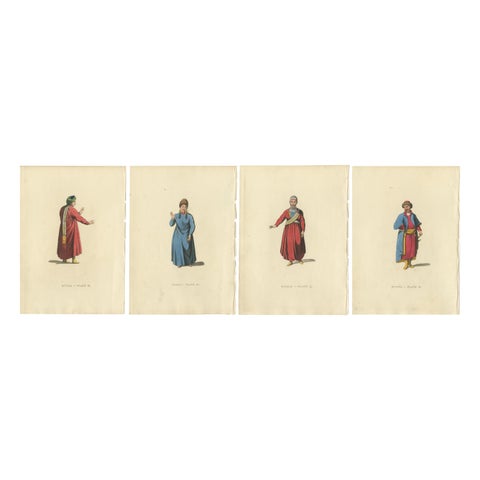
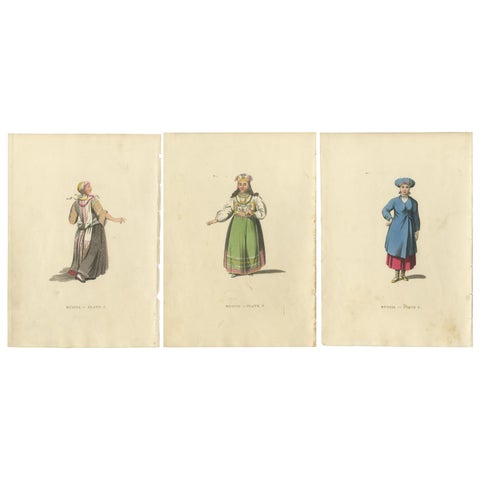
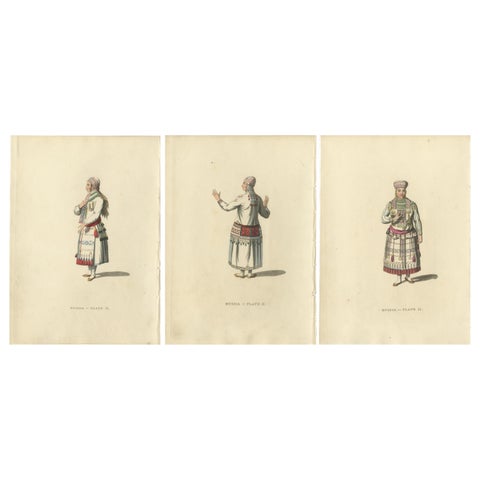
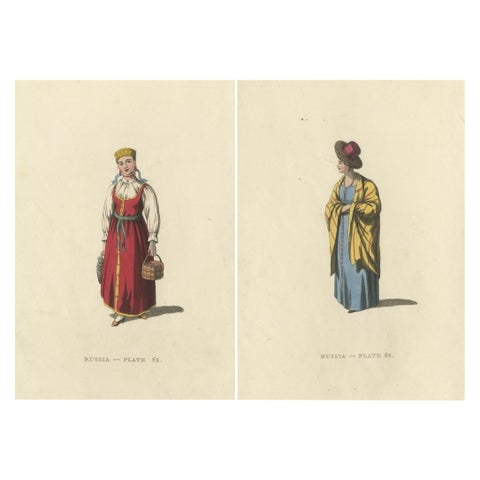
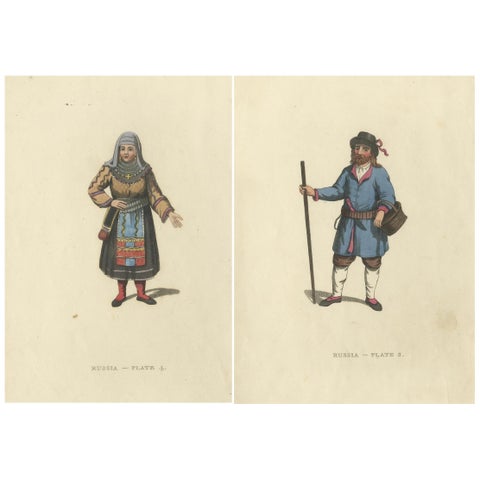
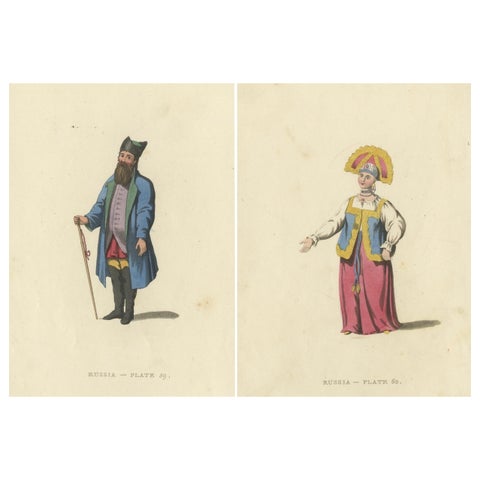
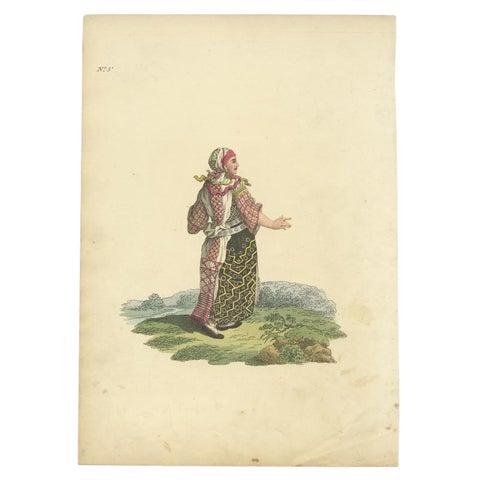
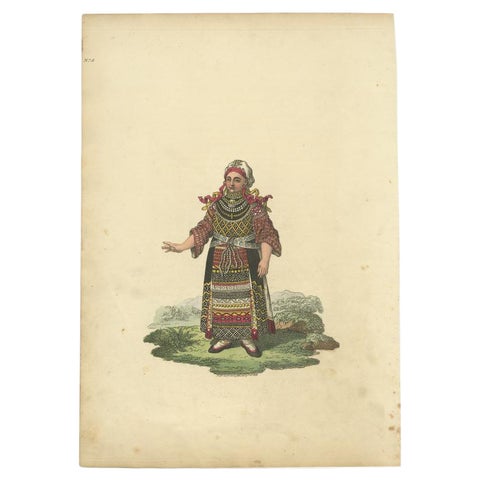
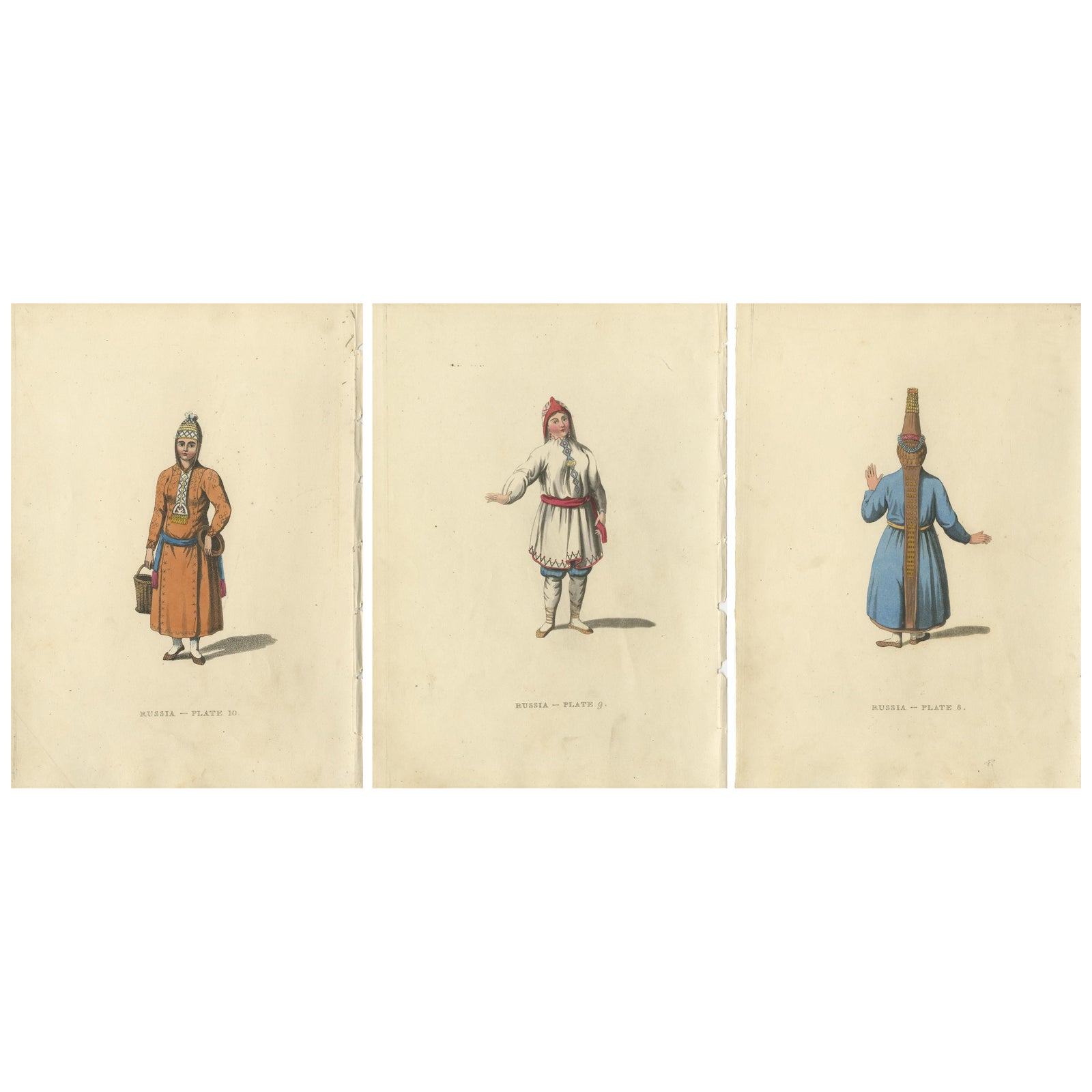
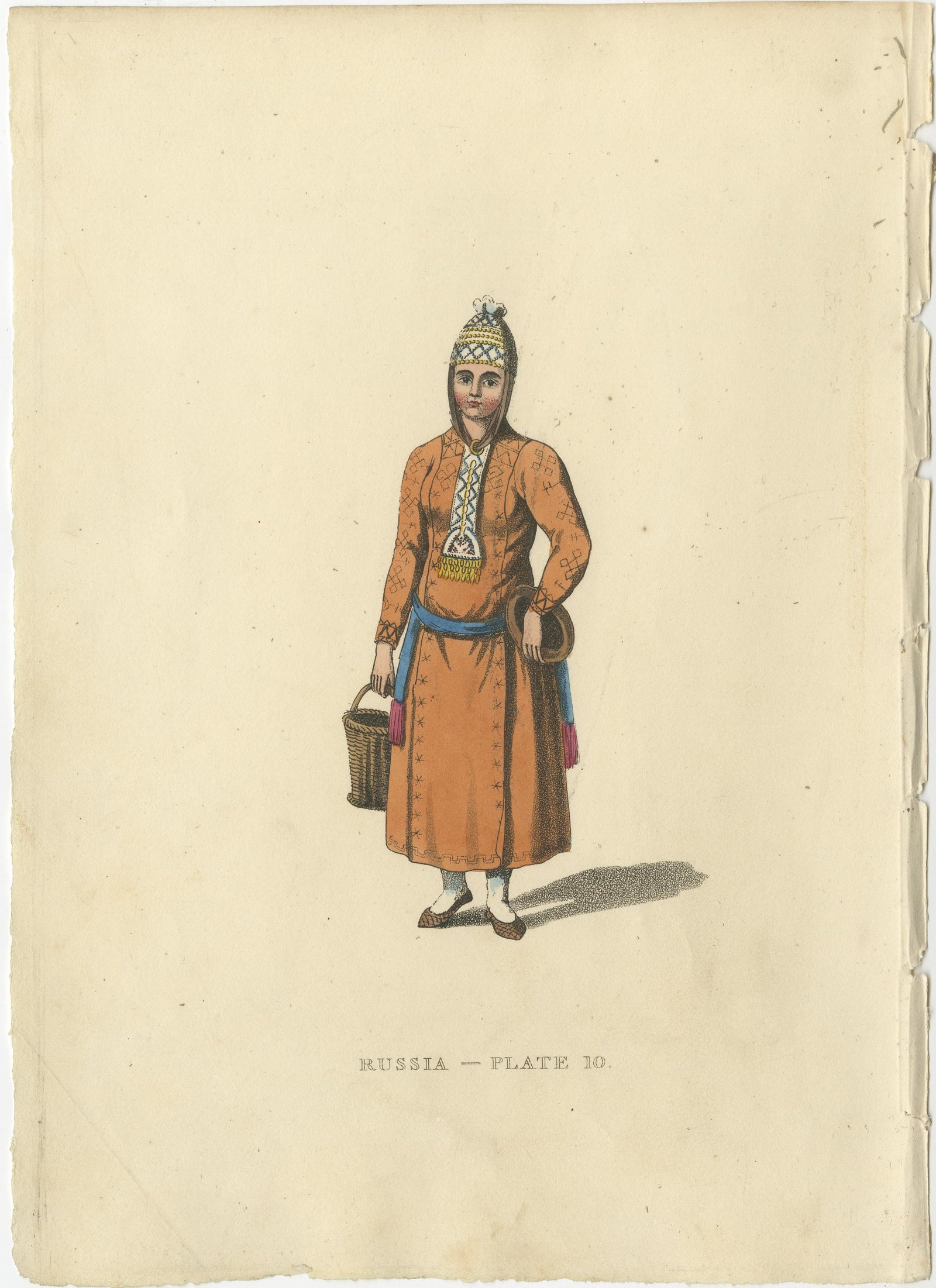
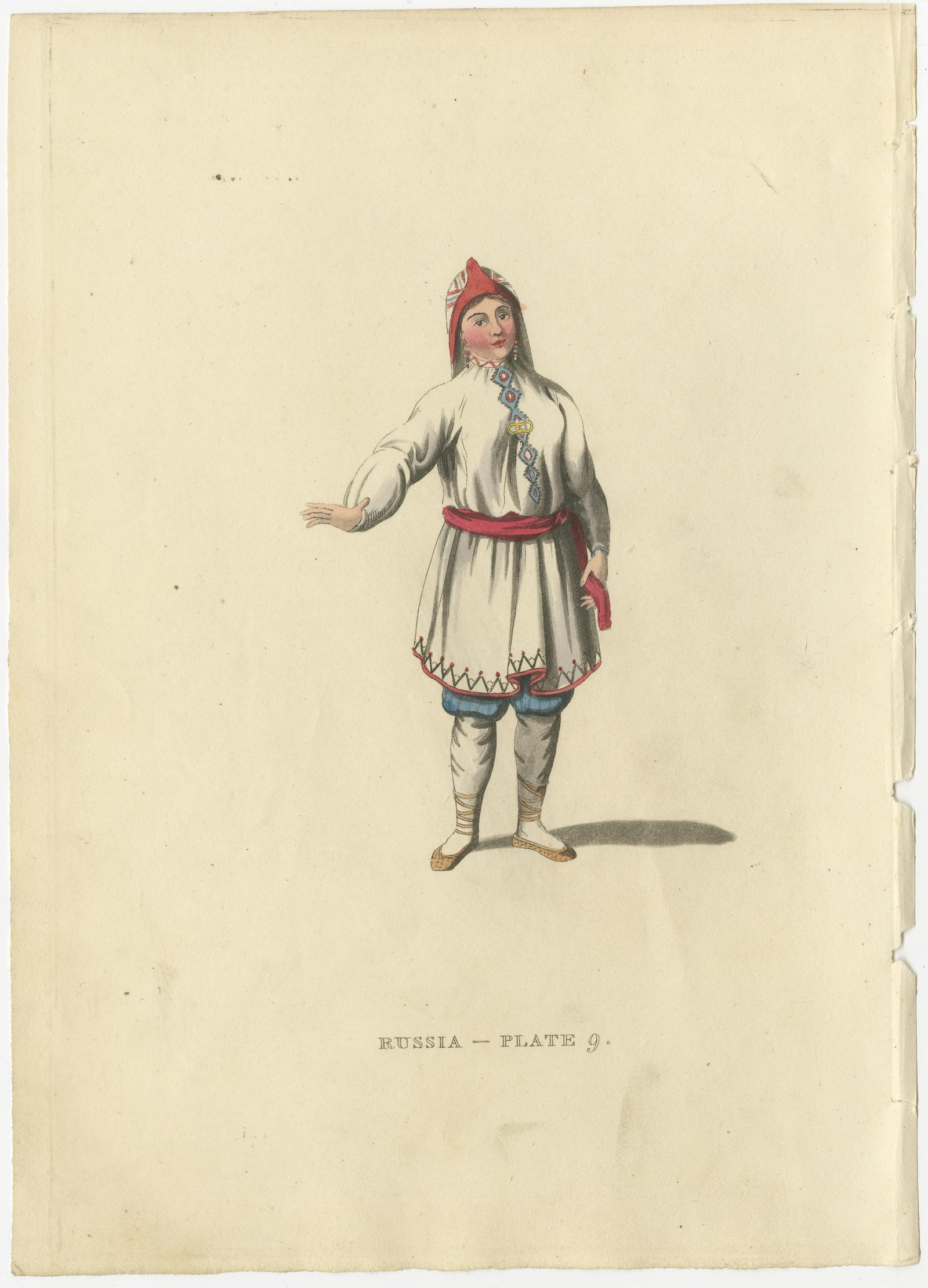
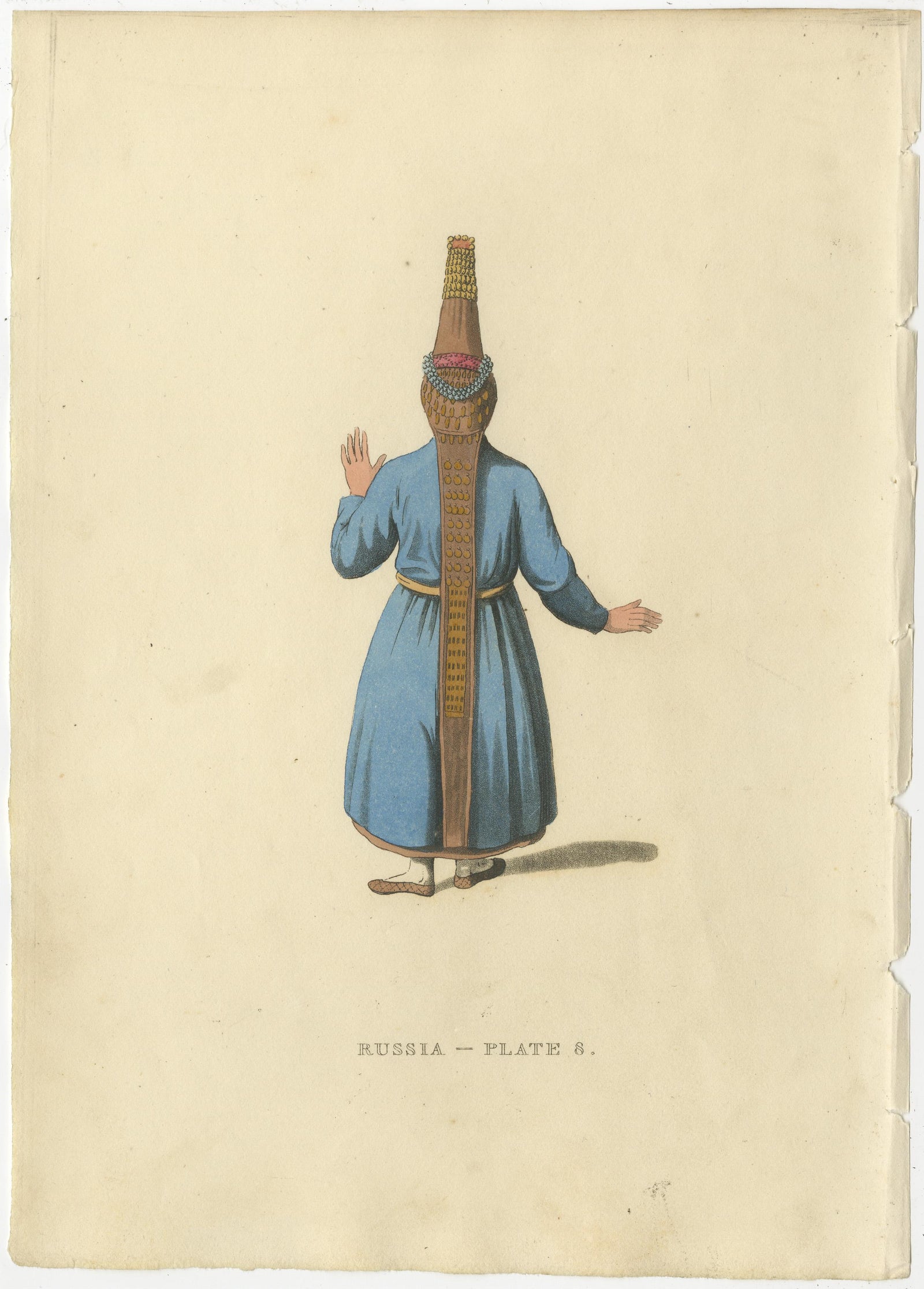
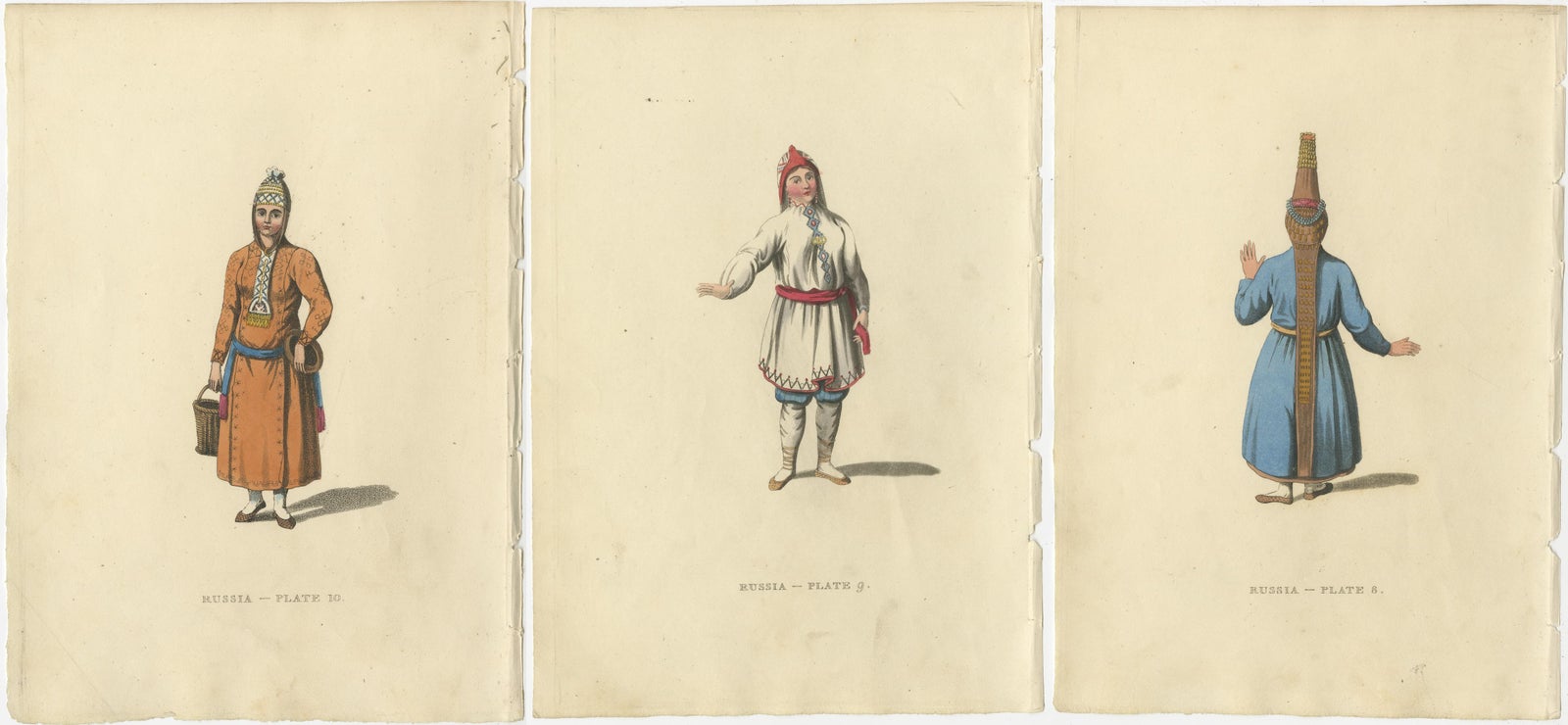
These original antique engravings represent a fascinating window into the past, specifically illustrating the traditional dress of Russian ethnic groups from the early 19th century. These particular images are part of a series from "Picturesque Representations of the Dress and Manners of the Russians," showcasing the diversity within Russia's vast cultural landscape.
The image titled "The back of a Tcheremhisian Woman" is particularly interesting as it presents the viewer with a rare view from behind, focusing on the unique headwear and the details of the dress from that angle.
"A Tcheremhisian woman in her summer dress" depicts the attire suitable for the warmer season, lighter in fabric and color, allowing us to understand not only the cultural aesthetics but also the practical adaptations to the climate.
The "Tchouvashian female" illustration shows the traditional costume of the Chuvash people, an ethnic group native to the region. The distinctive headpiece and ornamental patterns of the garment are indicative of the Chuvash traditional attire.
These images not only serve as historical records of traditional dress but also help in understanding the cultural identity and regional variations within Russia during that period. They're valuable for researchers, historians, and anyone interested in the history of fashion and cultural attire.