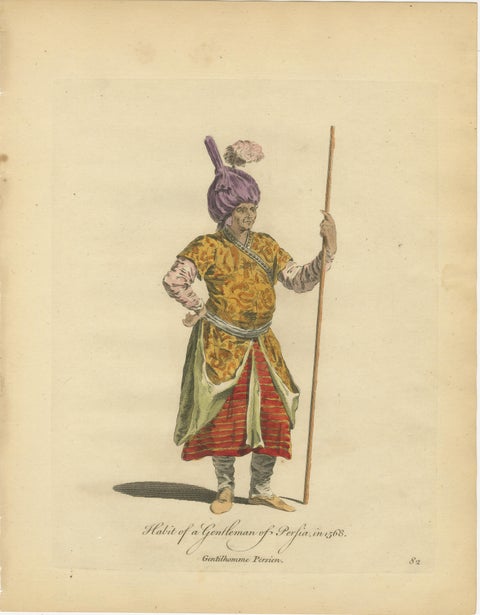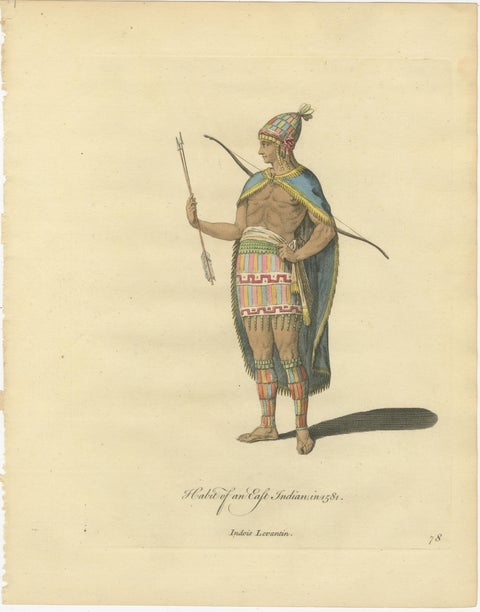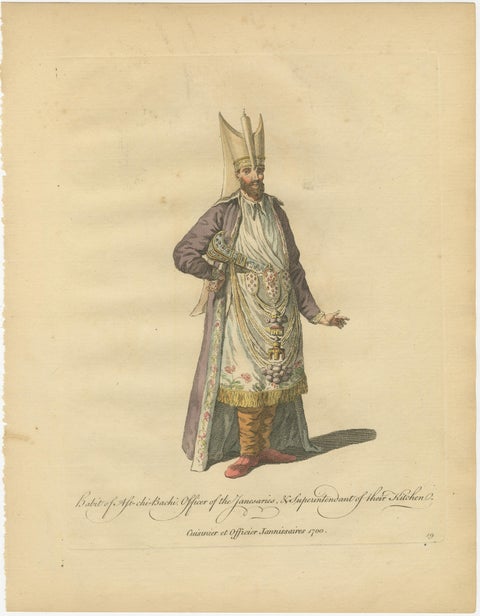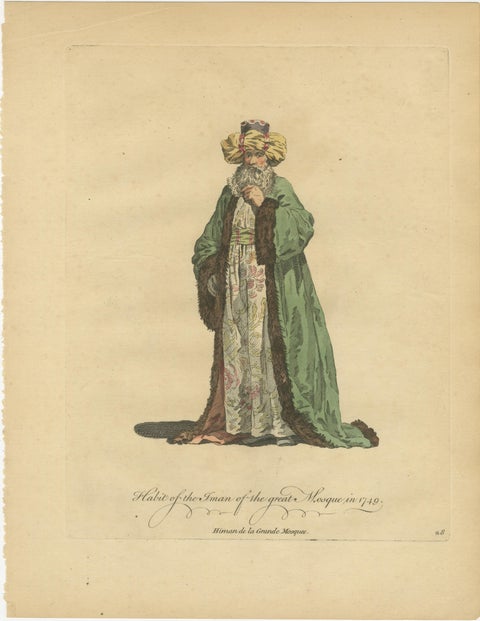
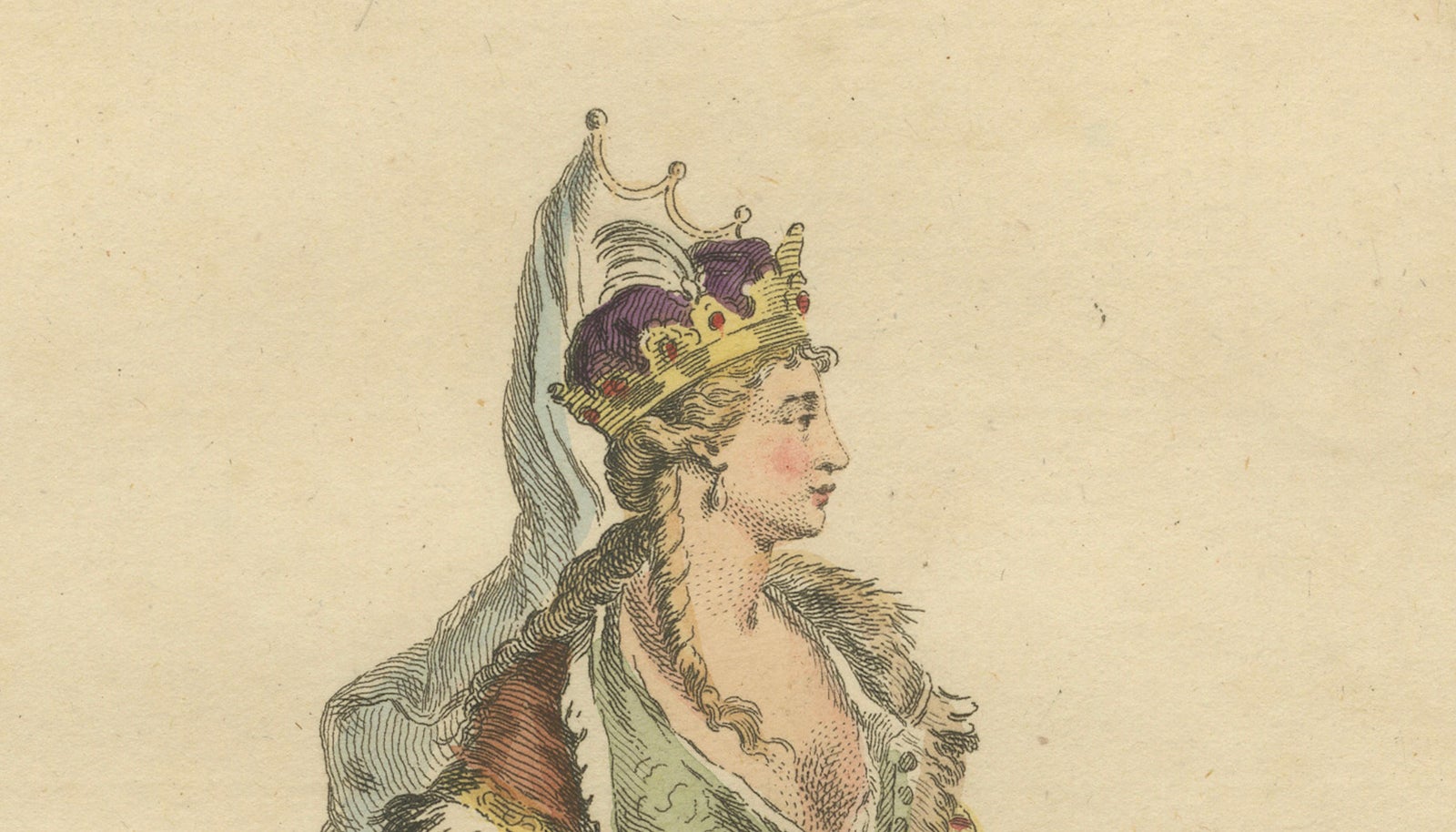
Close-ups
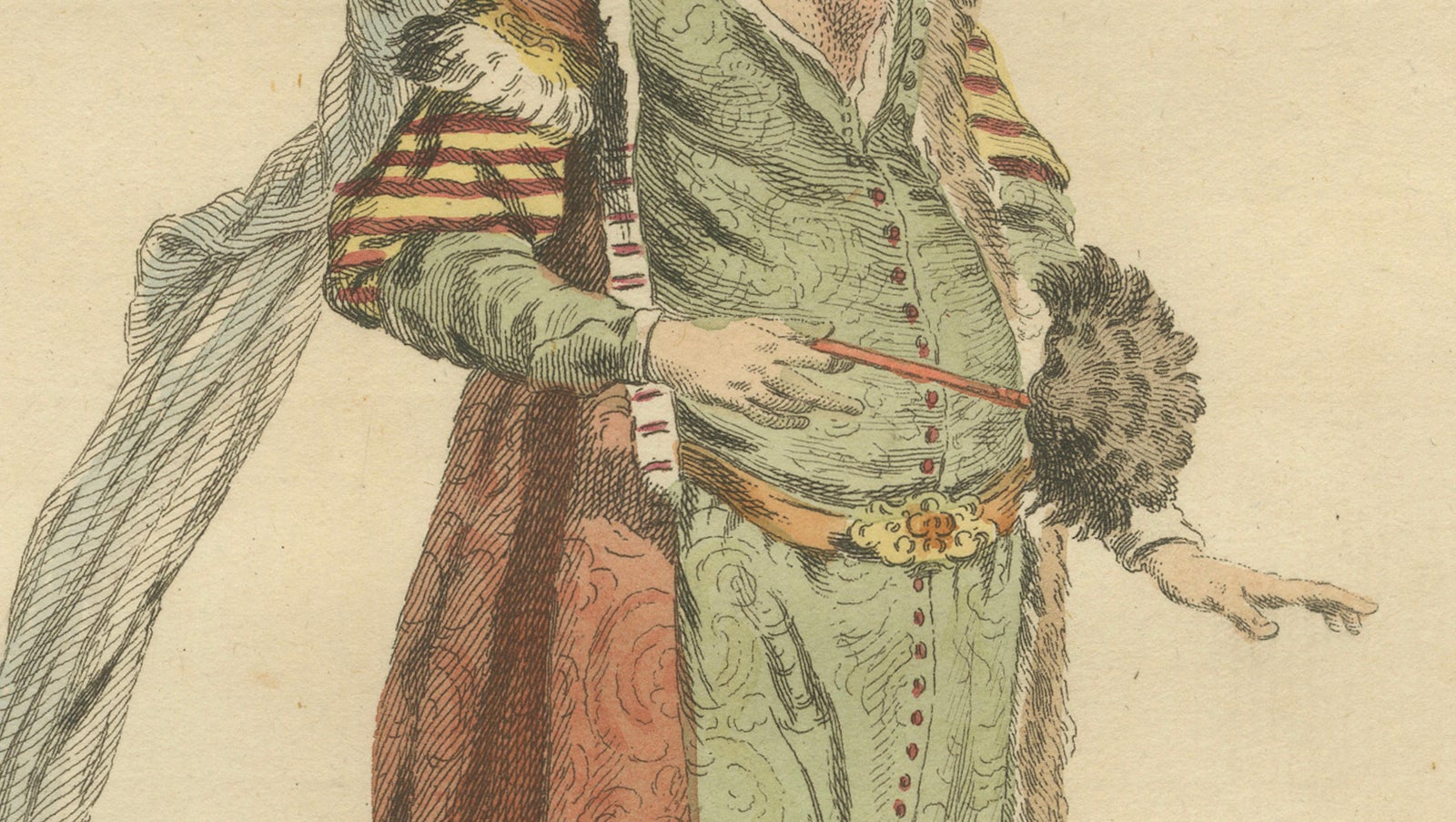
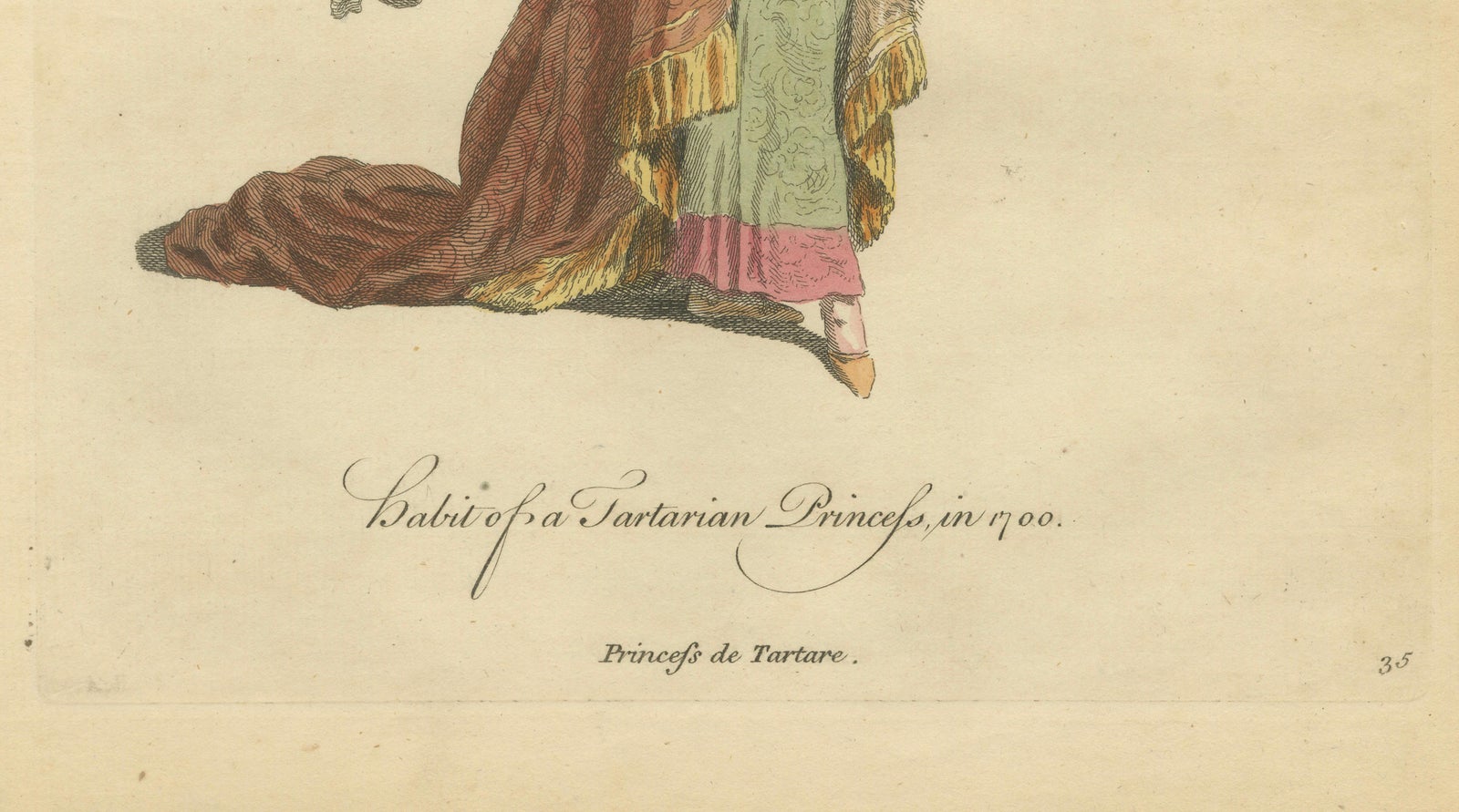
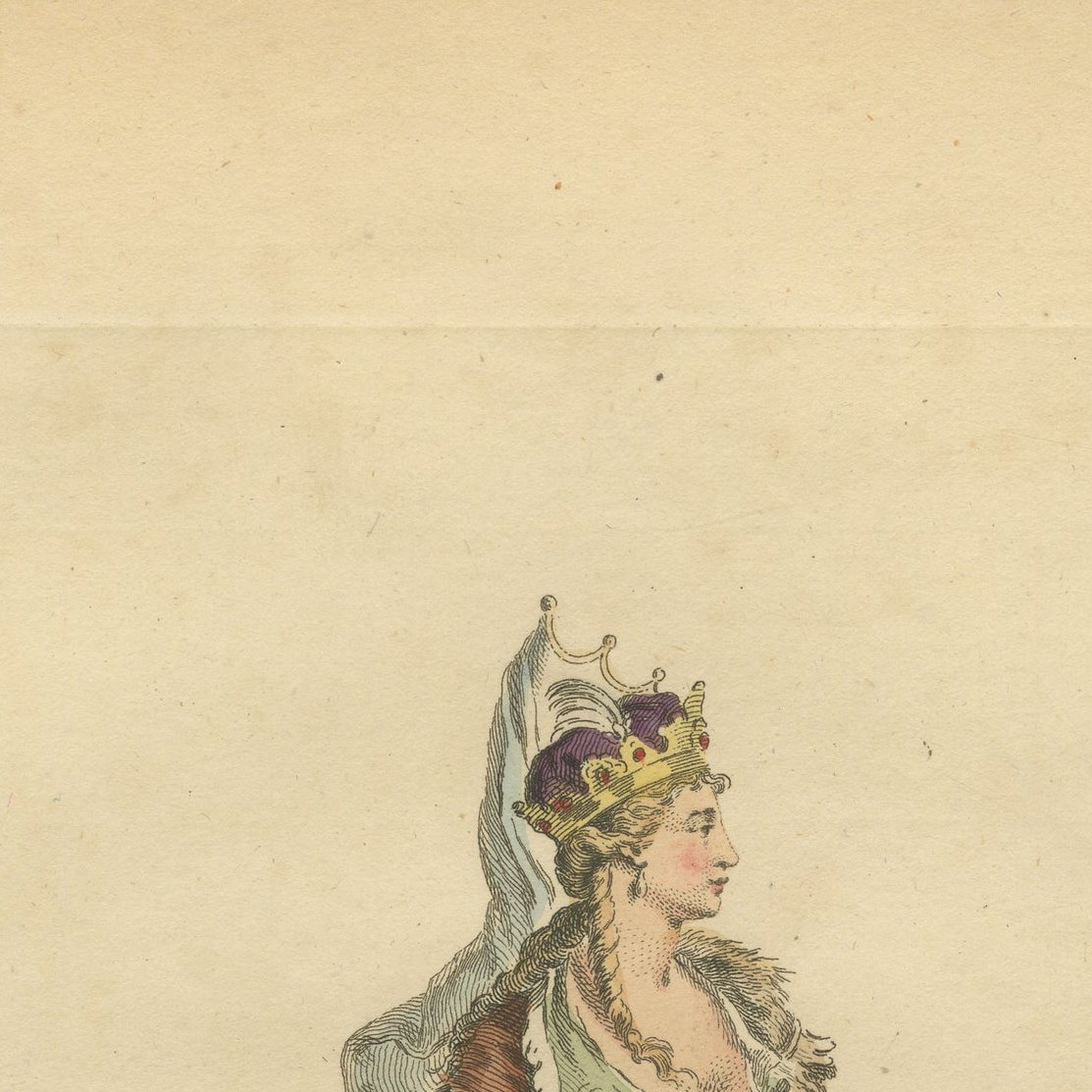
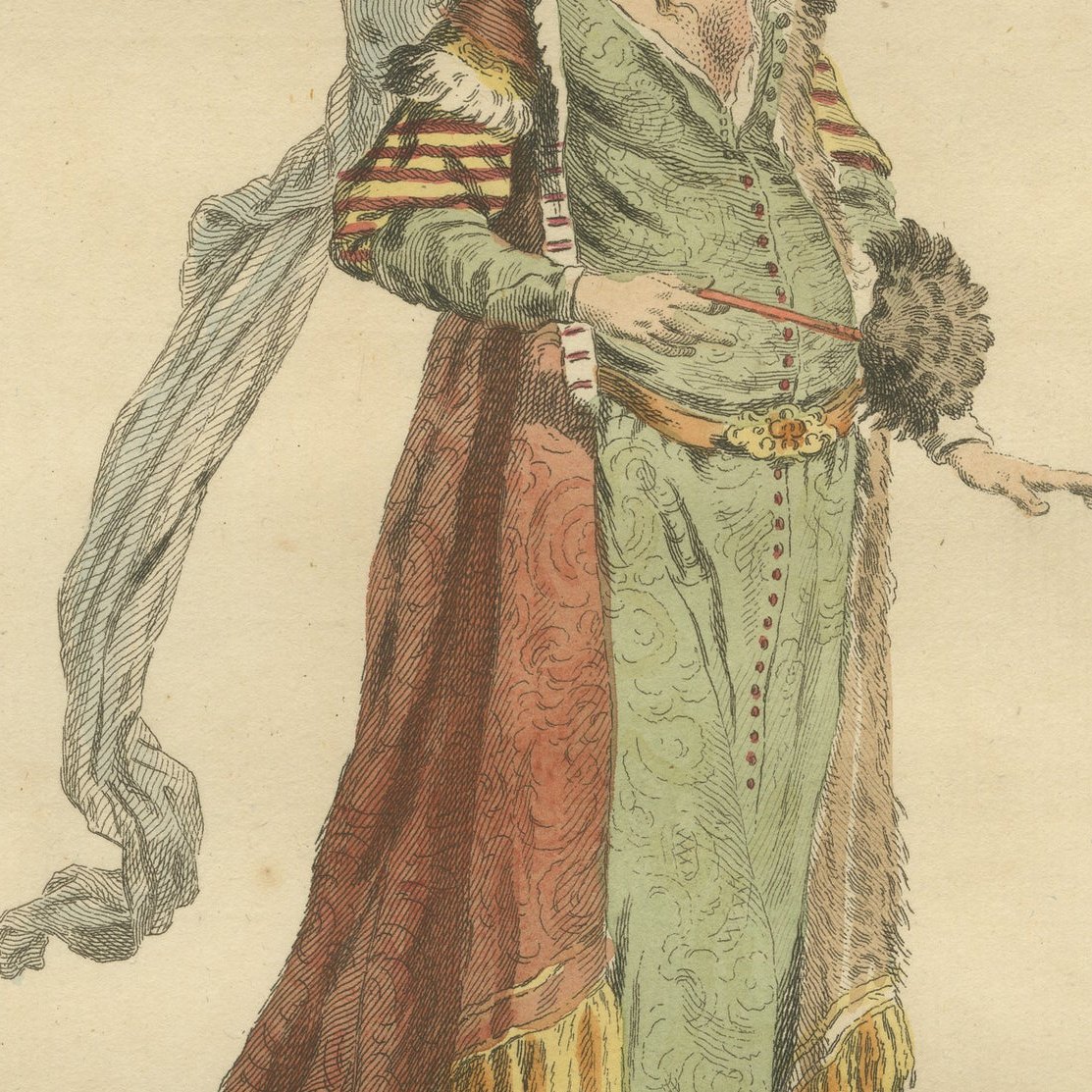
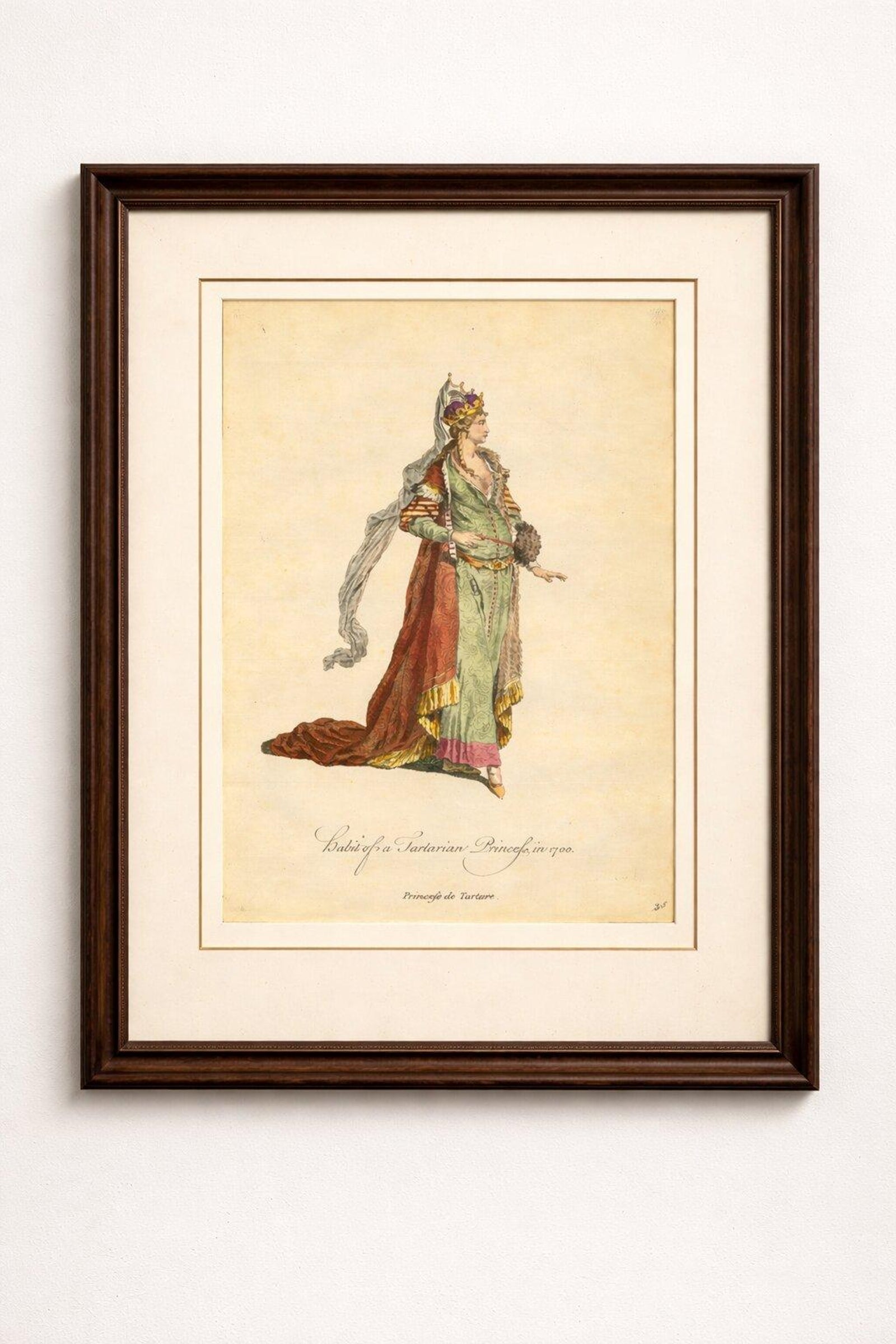
Framed and on the wall
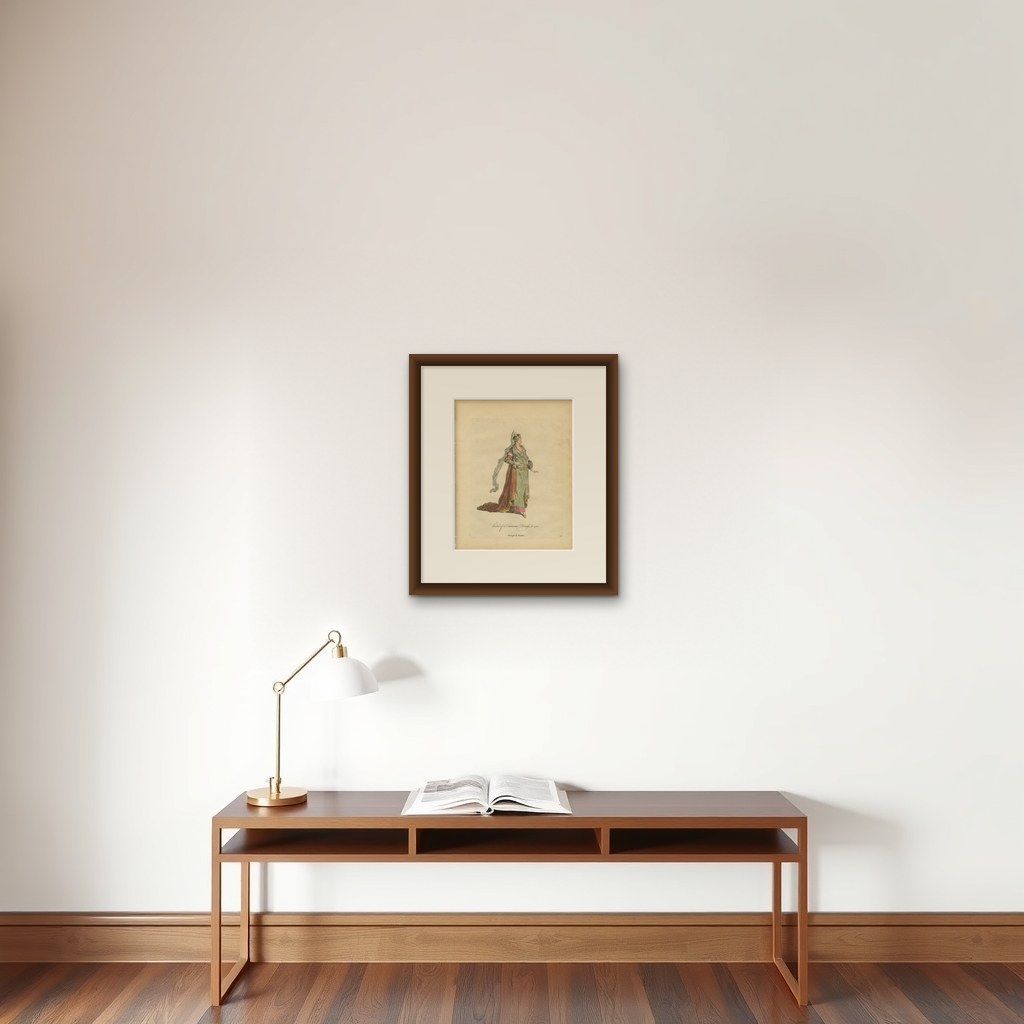
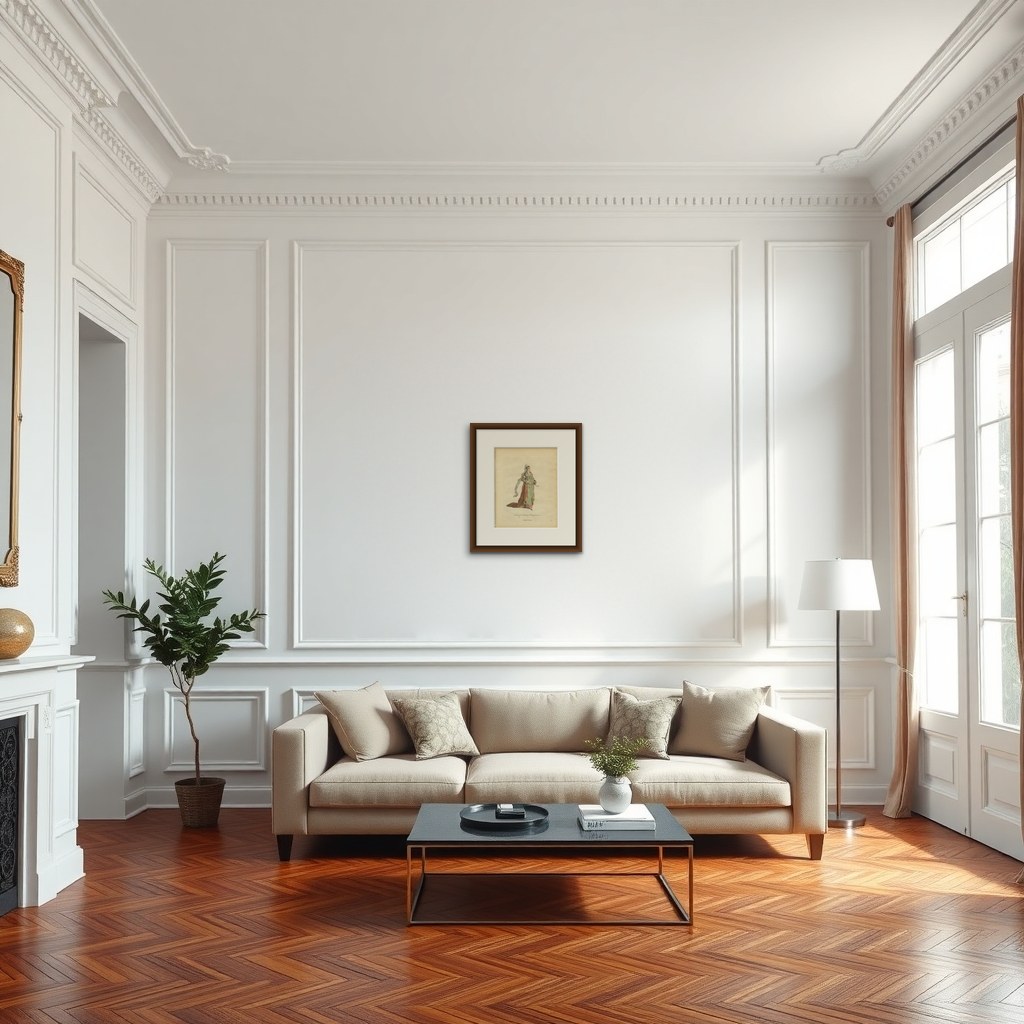
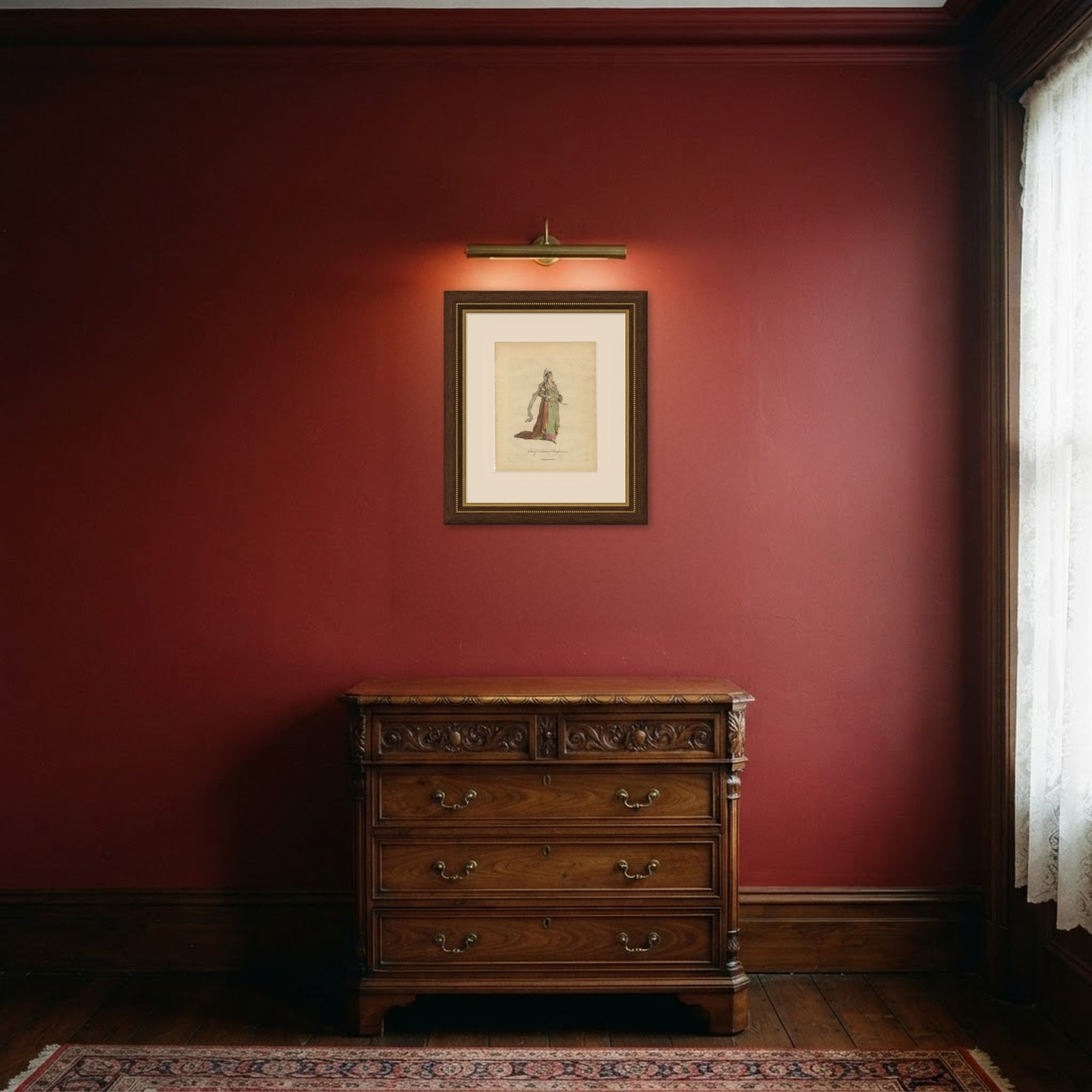
Frame and rooms are illustrations of how the print could look; the description says what is included.
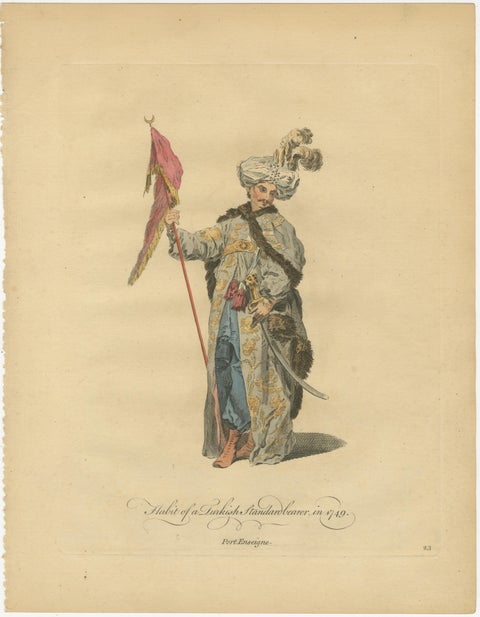
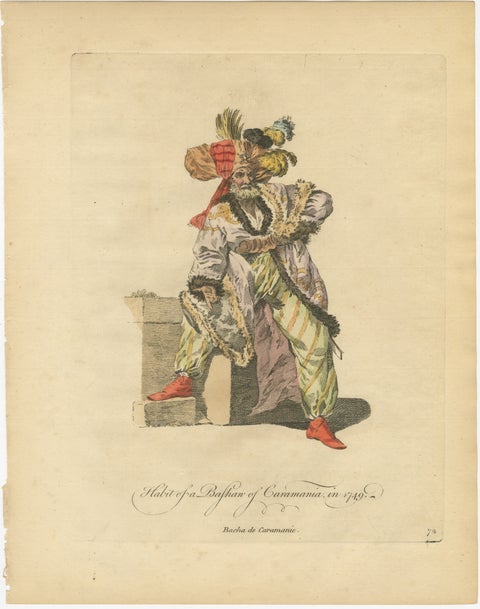
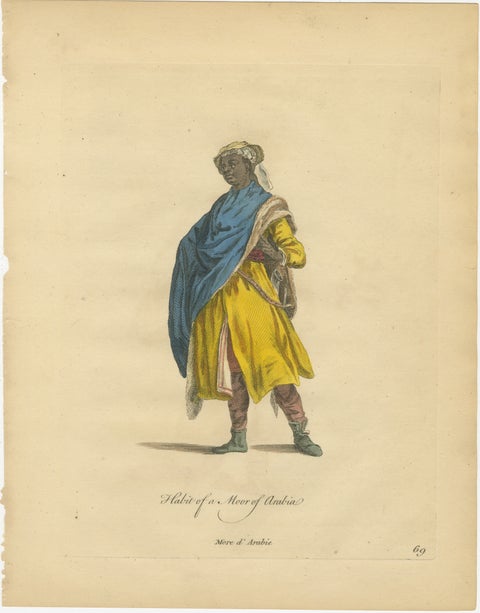
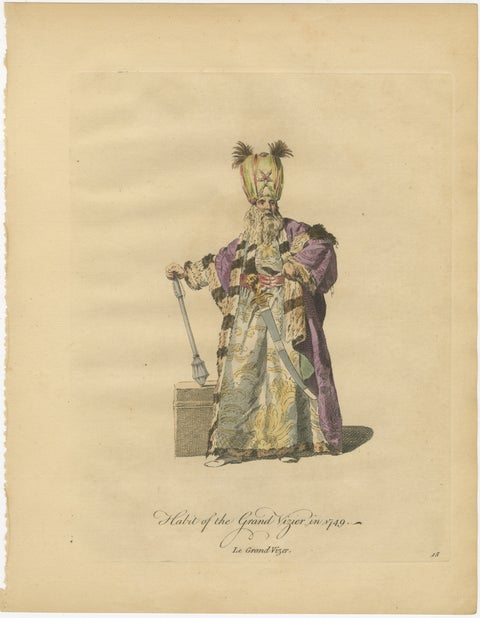
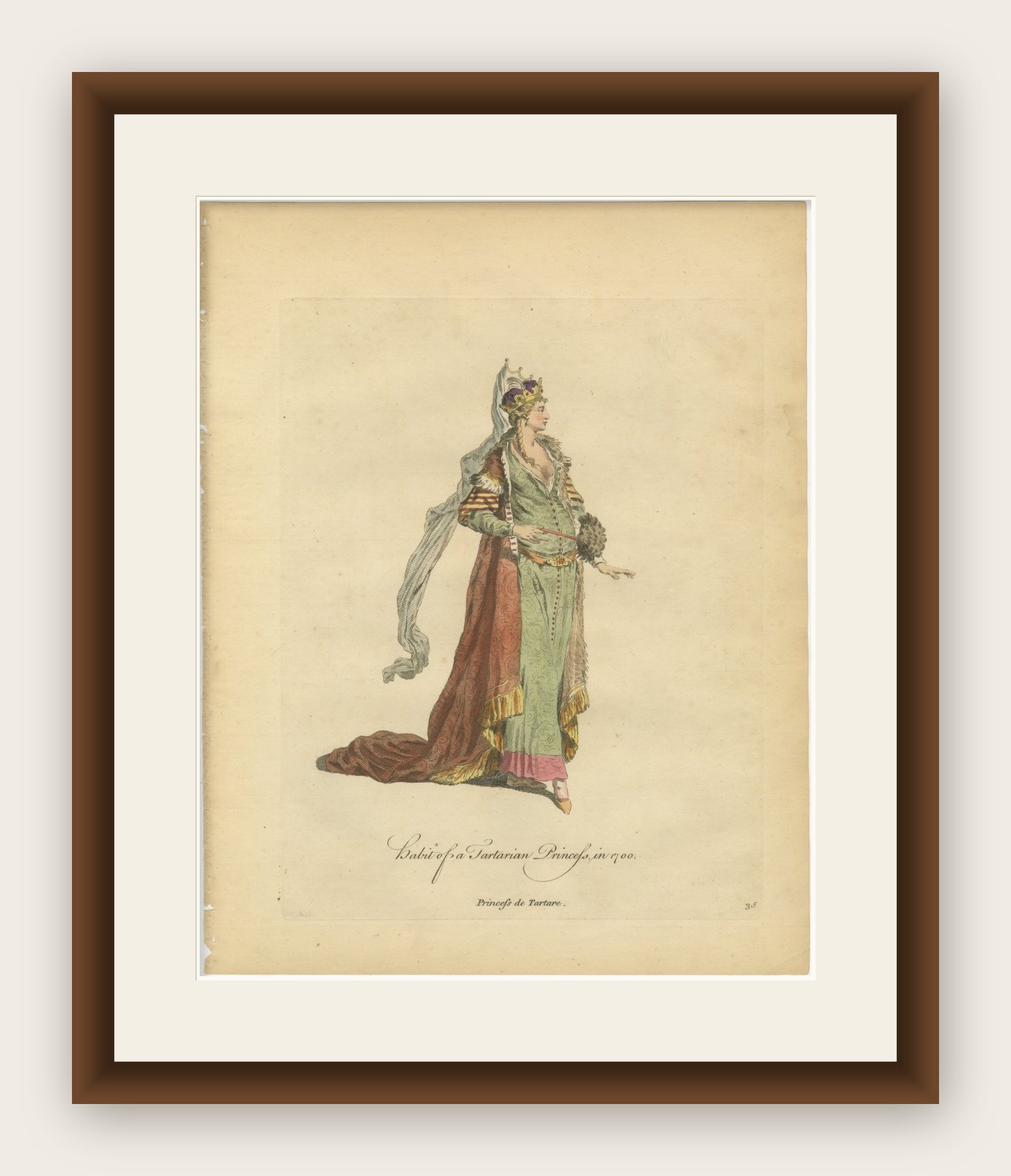
Tartar Princess Costume Print, Hand-Colored Engraving by Jefferys, 1749
$380$28525% off
€259 · £215
Original print, not a reproduction.
Ships worldwide from the Netherlands, flat or rolled, insured and tracked. 14-day returns.
- Date
- 1749
- Sheet size
- 12.6 × 9.8 in (32.1 × 24.9 cm)
- Condition
- Good. Good overall condition with age-related toning and occasional spotting. Minor edge wear and small losses to the margins, not affecting the image. Plate mark visible.
- Wardrobe
- Far & away
- Era
- 1700s, Rococo
- Stock no.
- BG-14276-35
What the condition grades mean
- Excellent
- Bright and clean, with no faults worth mentioning.
- Very good
- Only light signs of age, such as faint toning.
- Good
- Normal signs of age for a sheet of this period: toning, some foxing, small marks or neat old repairs.
- Fair
- Clear faults such as staining, tears or repairs, priced to match.
Every fault we see is written in the condition note, and the whole sheet is shown uncropped in the photos.
Tartar Princess Costume Print, Hand-Colored Engraving by Jefferys, 1749
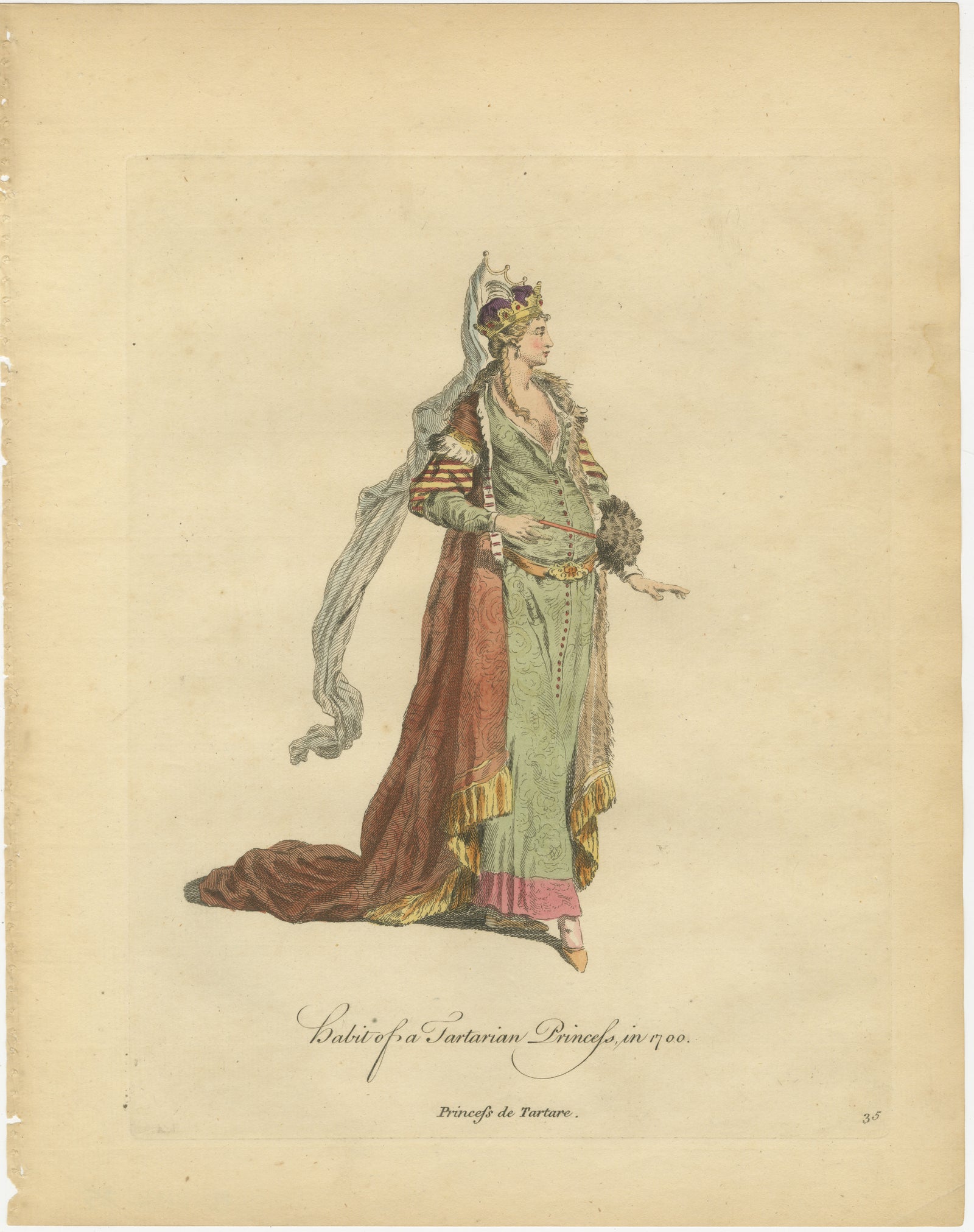
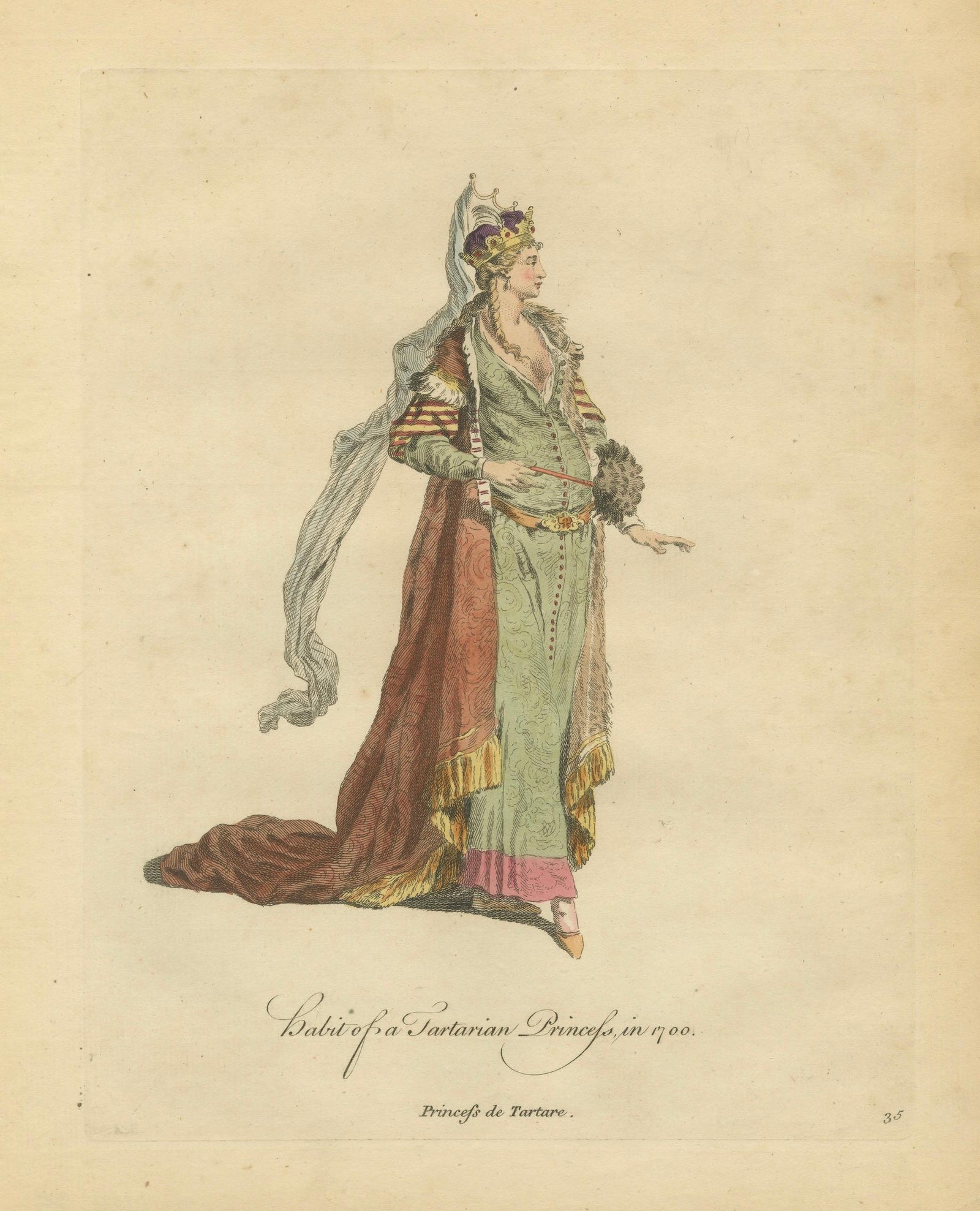
This elegant mid-18th century engraving depicts a richly dressed Tartar princess, rendered with refined detail and delicate hand coloring. Published in London in 1749 by Thomas Jefferys, this work reflects the European fascination with distant cultures and courtly attire during the Enlightenment period. Jefferys, renowned for his cartographic output, also produced ethnographic costume prints that offered visual insight into global societies.
The figure is shown in profile, wearing an elaborate gown with flowing drapery and intricate ornamentation. Her costume combines layered textiles, decorative trim, and a regal headdress, emphasizing both status and cultural identity. The long trailing mantle adds movement and elegance, while the soft palette of greens, reds, and gold enhances its decorative appeal.
These engravings were highly valued as both educational and artistic objects, providing European audiences with stylized impressions of foreign courts. Today they are appreciated for their historical importance and timeless aesthetic.
Framing tips: Particularly effective in a dark walnut or ebonized frame with a wide ivory mat. The vertical composition benefits from generous margins, giving the figure a refined, gallery-like presence.
Special note: This is an original 18th-century engraving, not a reproduction.
Technique: Engraving with original hand color
Maker: Thomas Jefferys, London, 1749