Close-ups
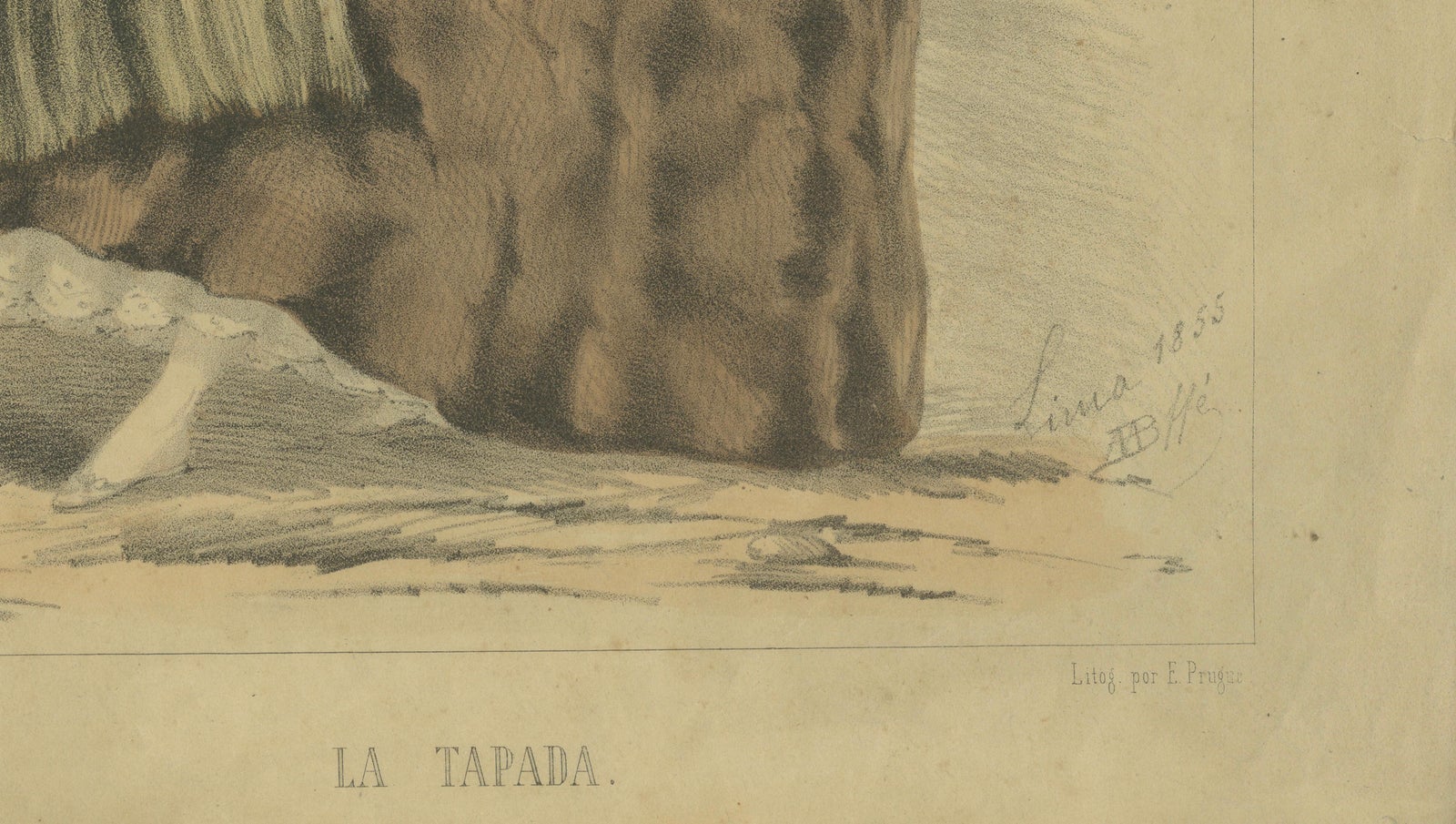
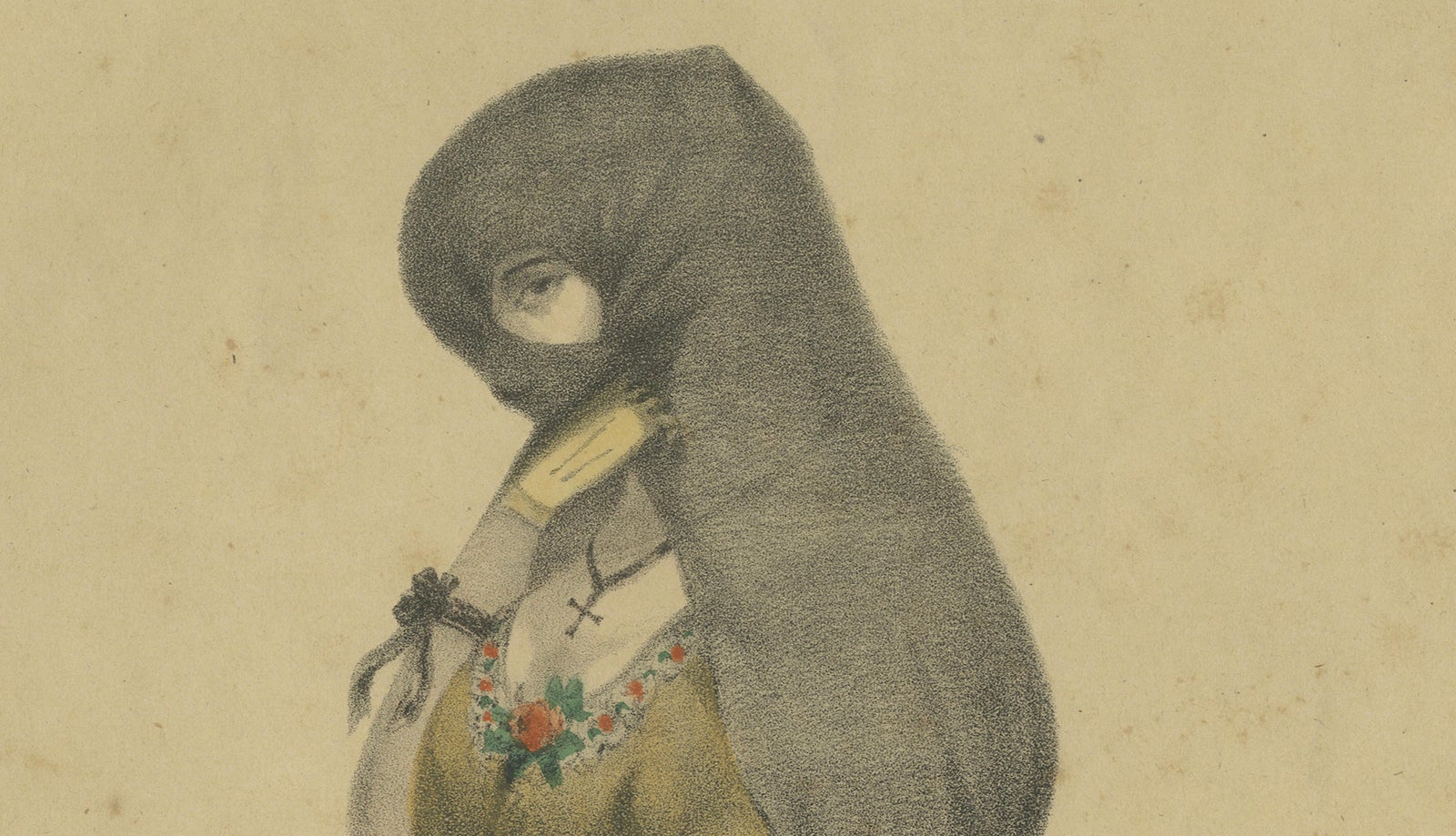
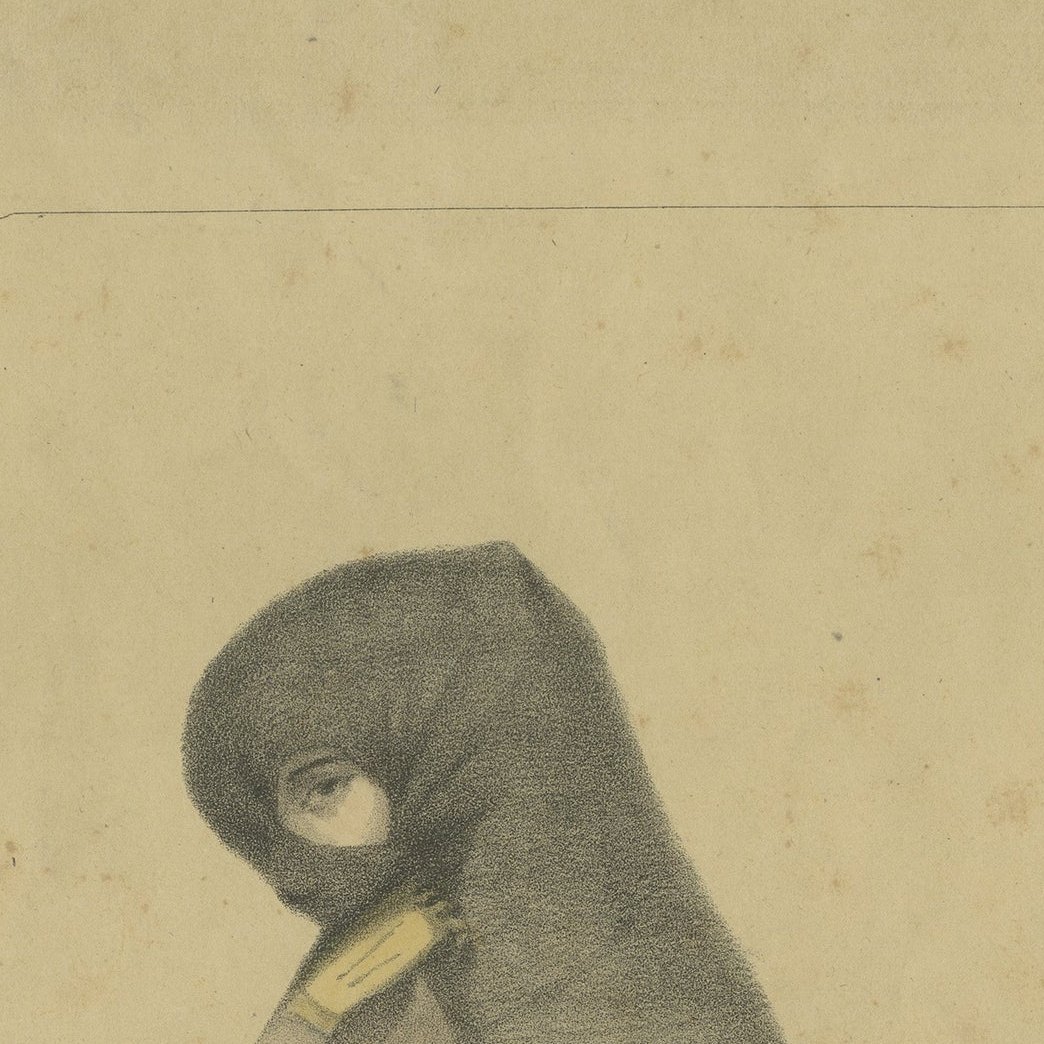
Framed and on the wall
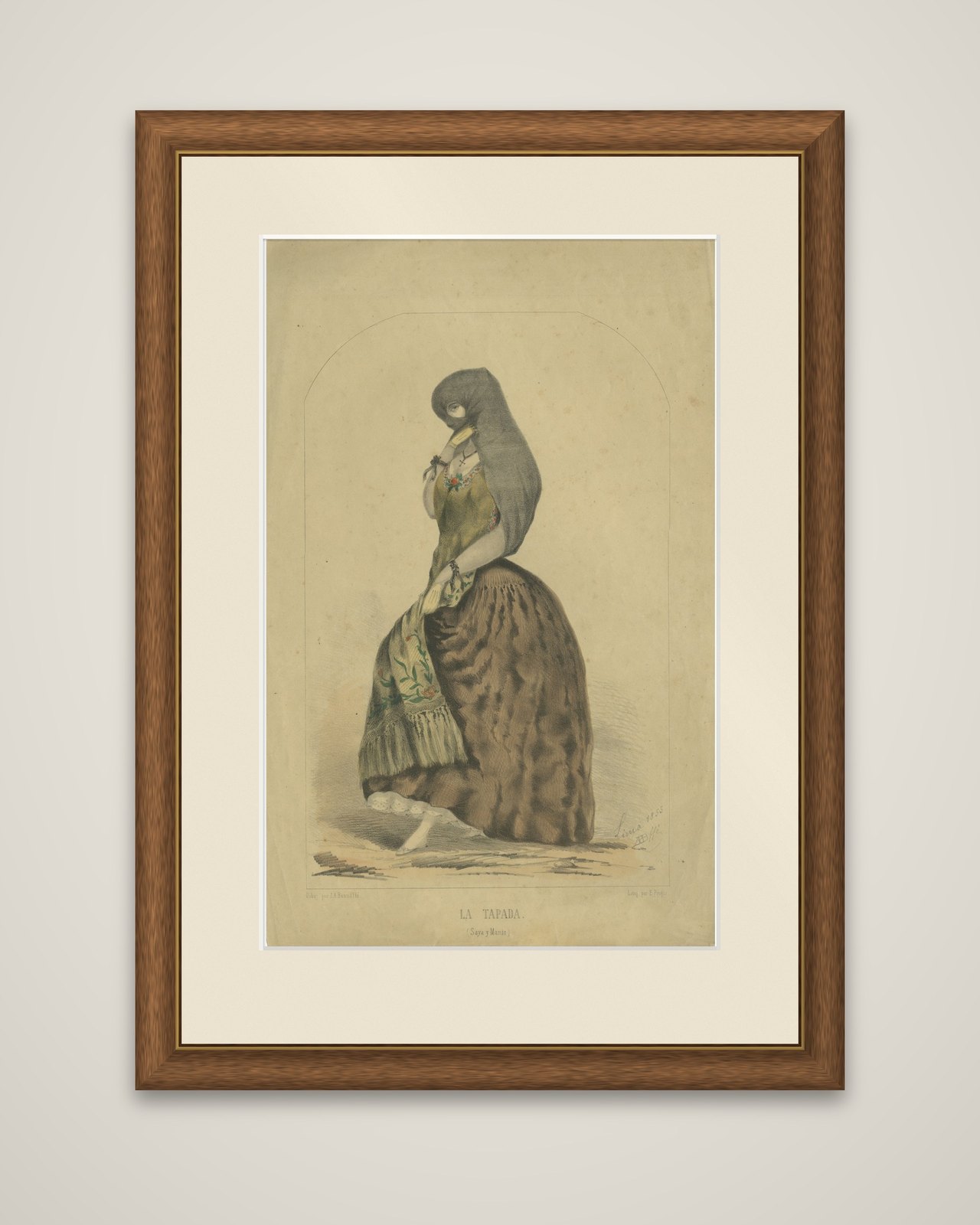
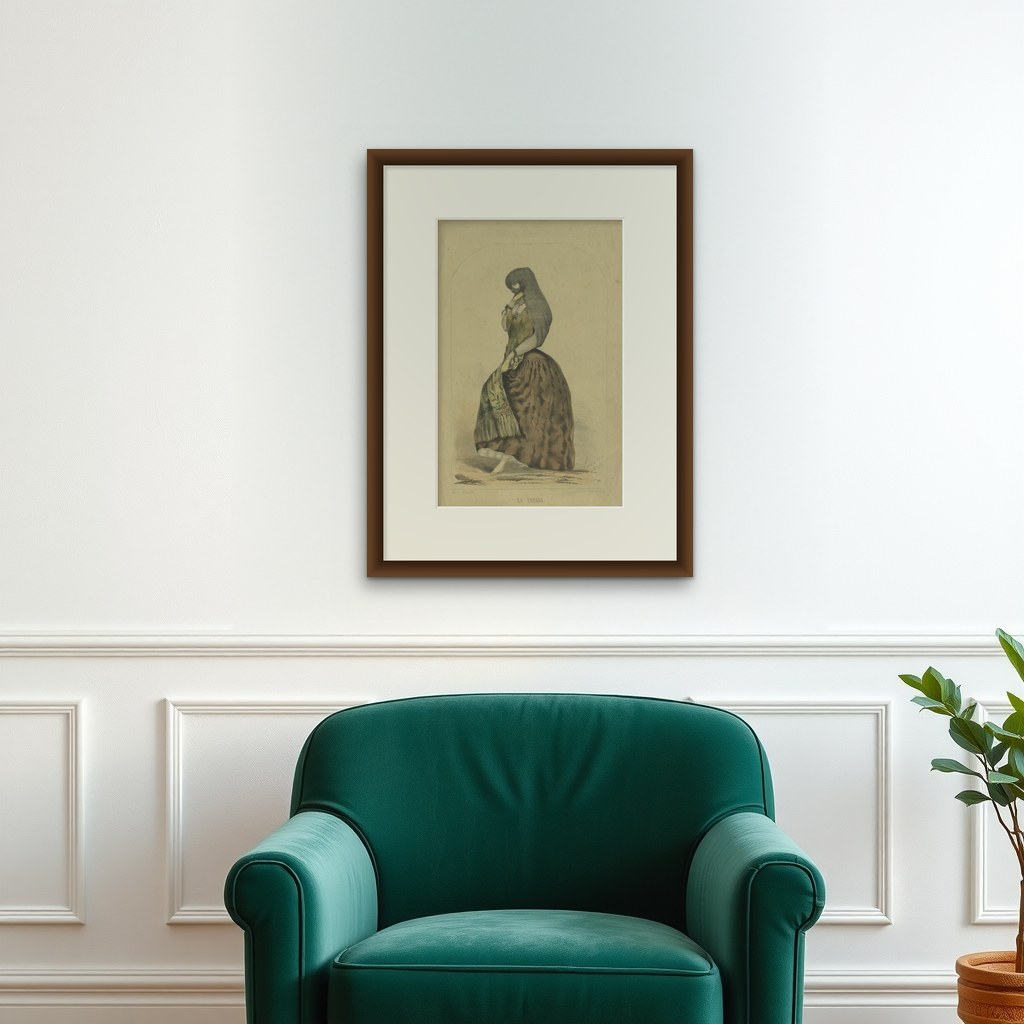
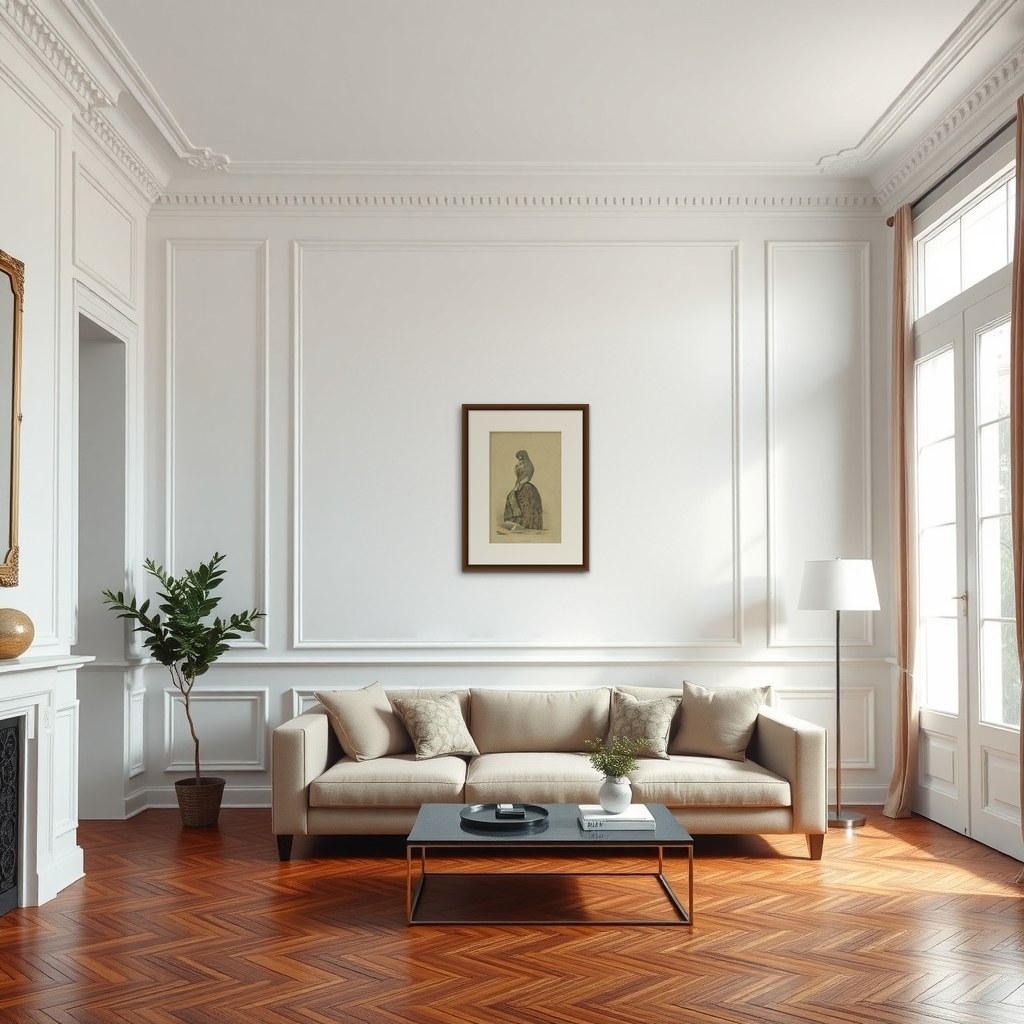
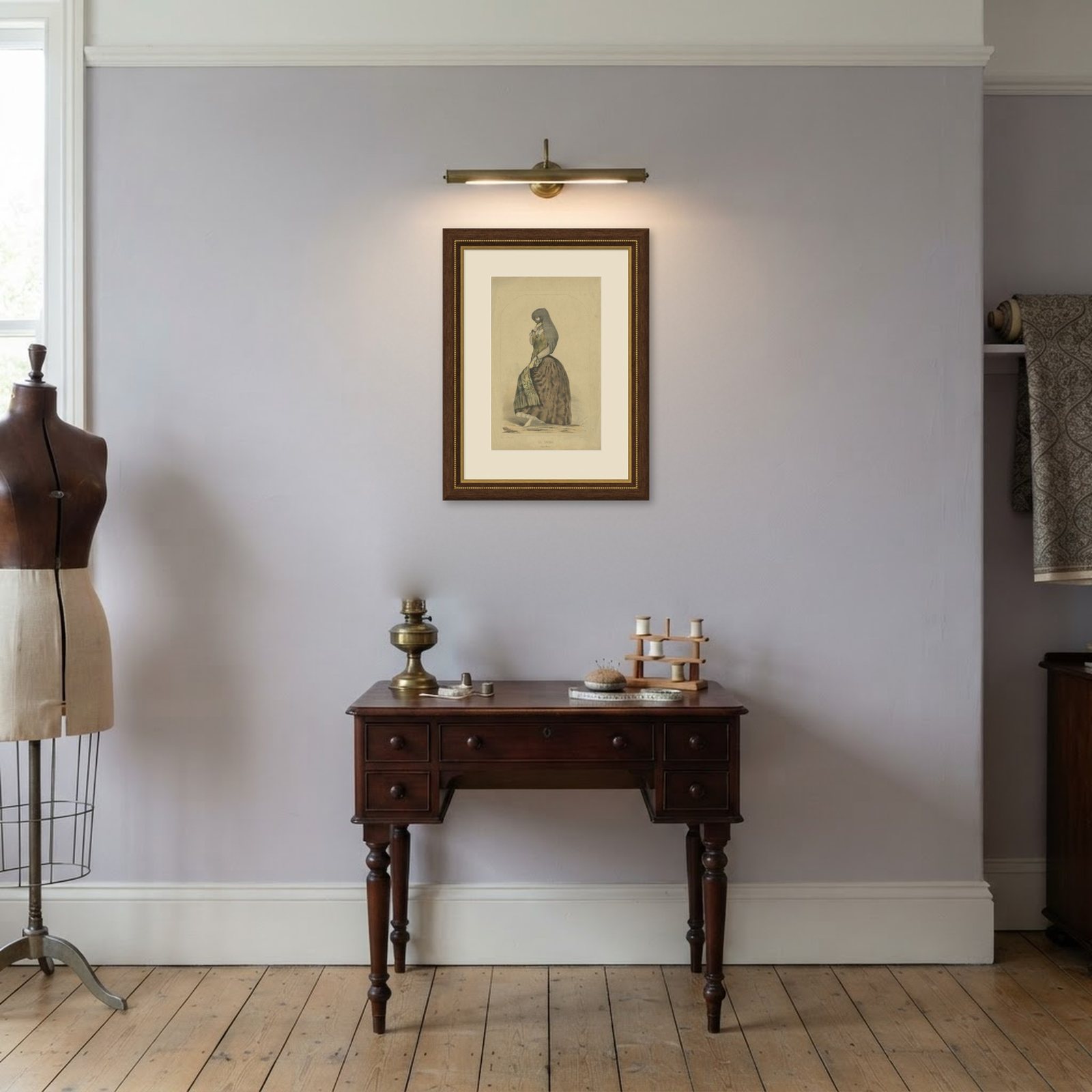
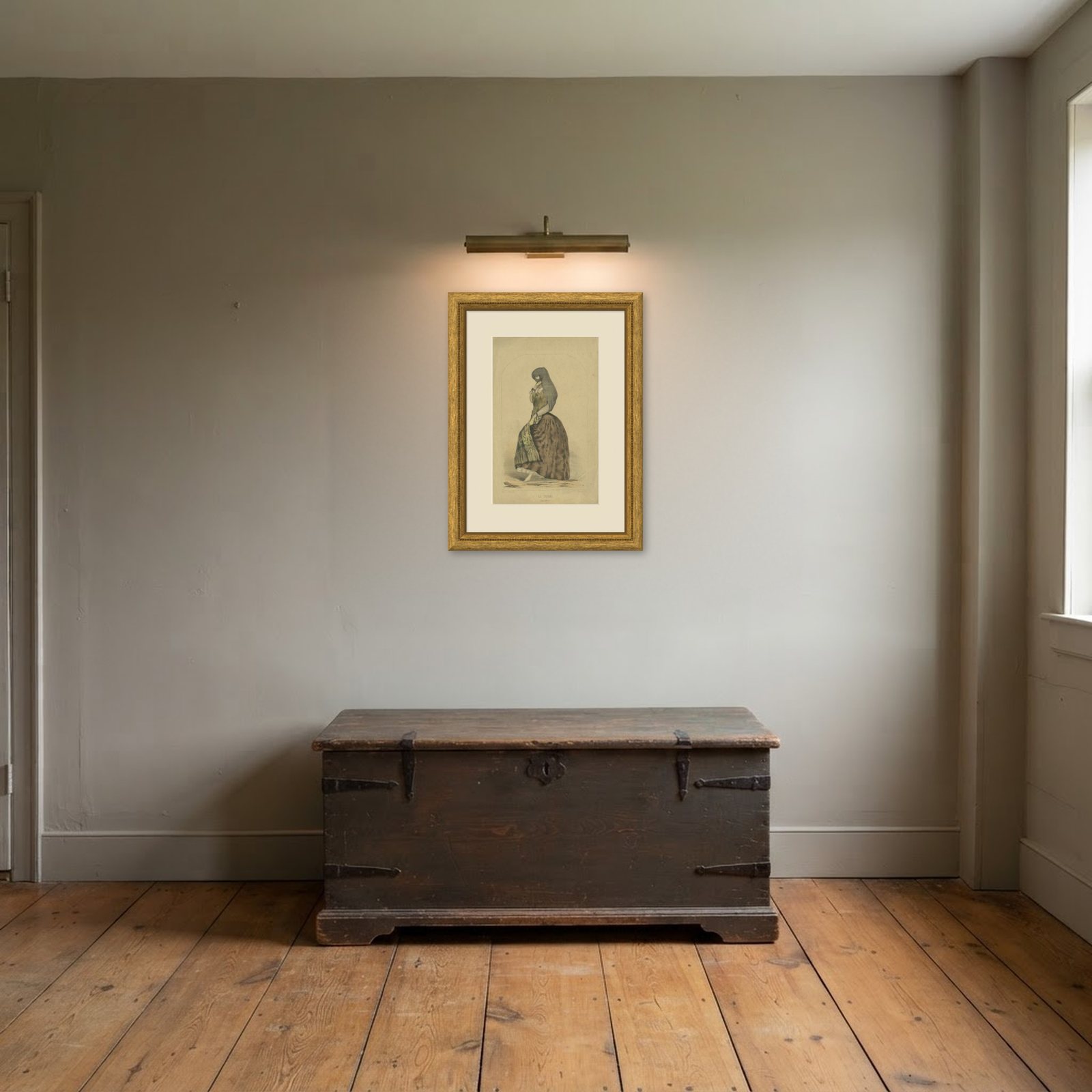
Frame and rooms are illustrations of how the print could look; the description says what is included.
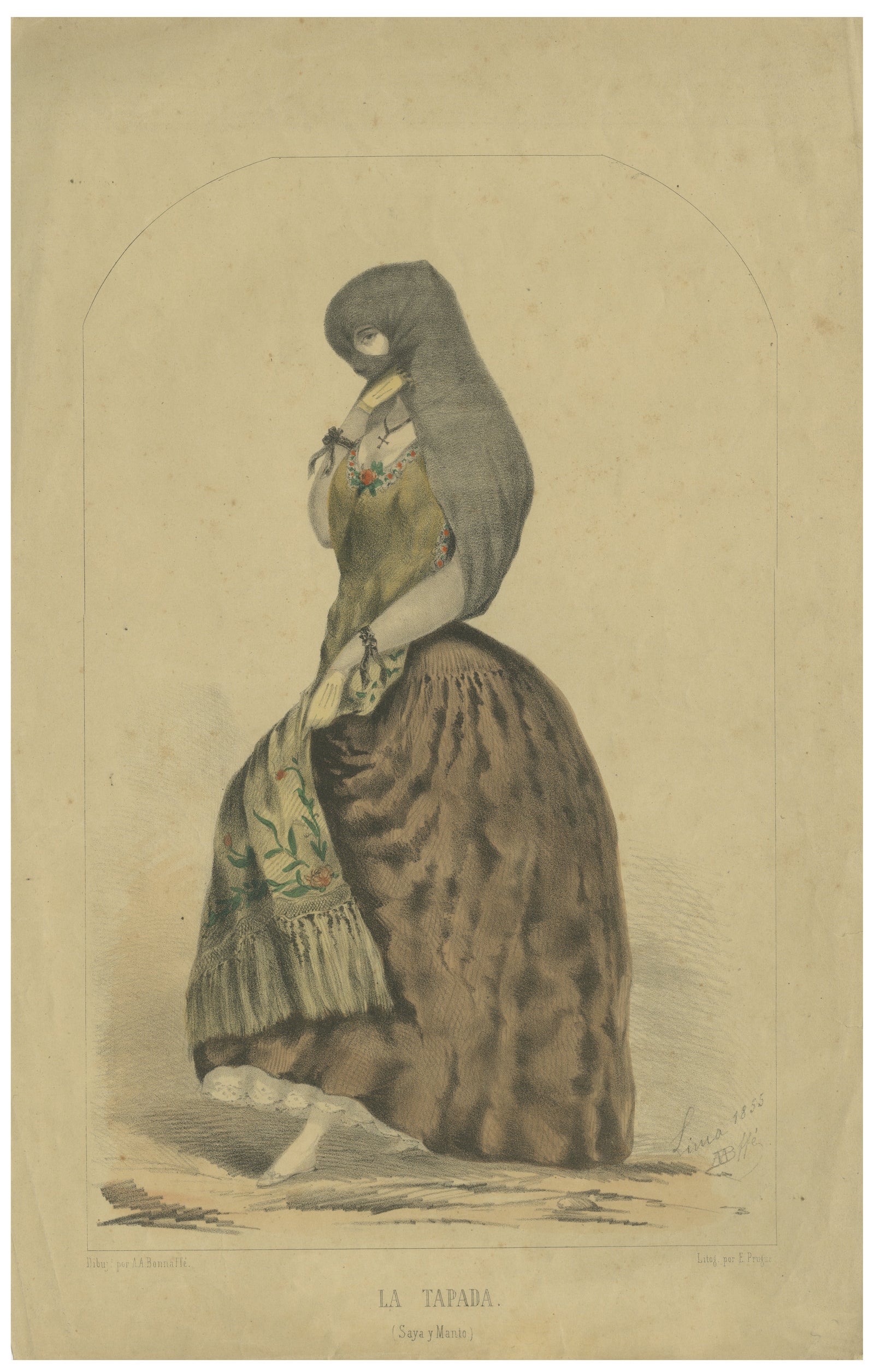
Original Antique Costume Print "La Tapada" of Lima, Peru by A.A. Bonnaffé, 1855
€465€34925% off
$385 · £290
Original print, not a reproduction.
Ships worldwide from the Netherlands, flat or rolled, insured and tracked. 14-day returns.
- Date
- 1855
- Sheet size
- 17.7 × 11.2 in (45 × 28.5 cm)
- Condition
- Good. Good condition considering its age. General age-related toning, occasional light foxing and minor handling wear. Please study the image carefully.
- Wardrobe
- Far & away
- Era
- 1840 to 1870, Crinoline
- Stock no.
- BG-14303-35
What the condition grades mean
- Excellent
- Bright and clean, with no faults worth mentioning.
- Very good
- Only light signs of age, such as faint toning.
- Good
- Normal signs of age for a sheet of this period: toning, some foxing, small marks or neat old repairs.
- Fair
- Clear faults such as staining, tears or repairs, priced to match.
Every fault we see is written in the condition note, and the whole sheet is shown uncropped in the photos.
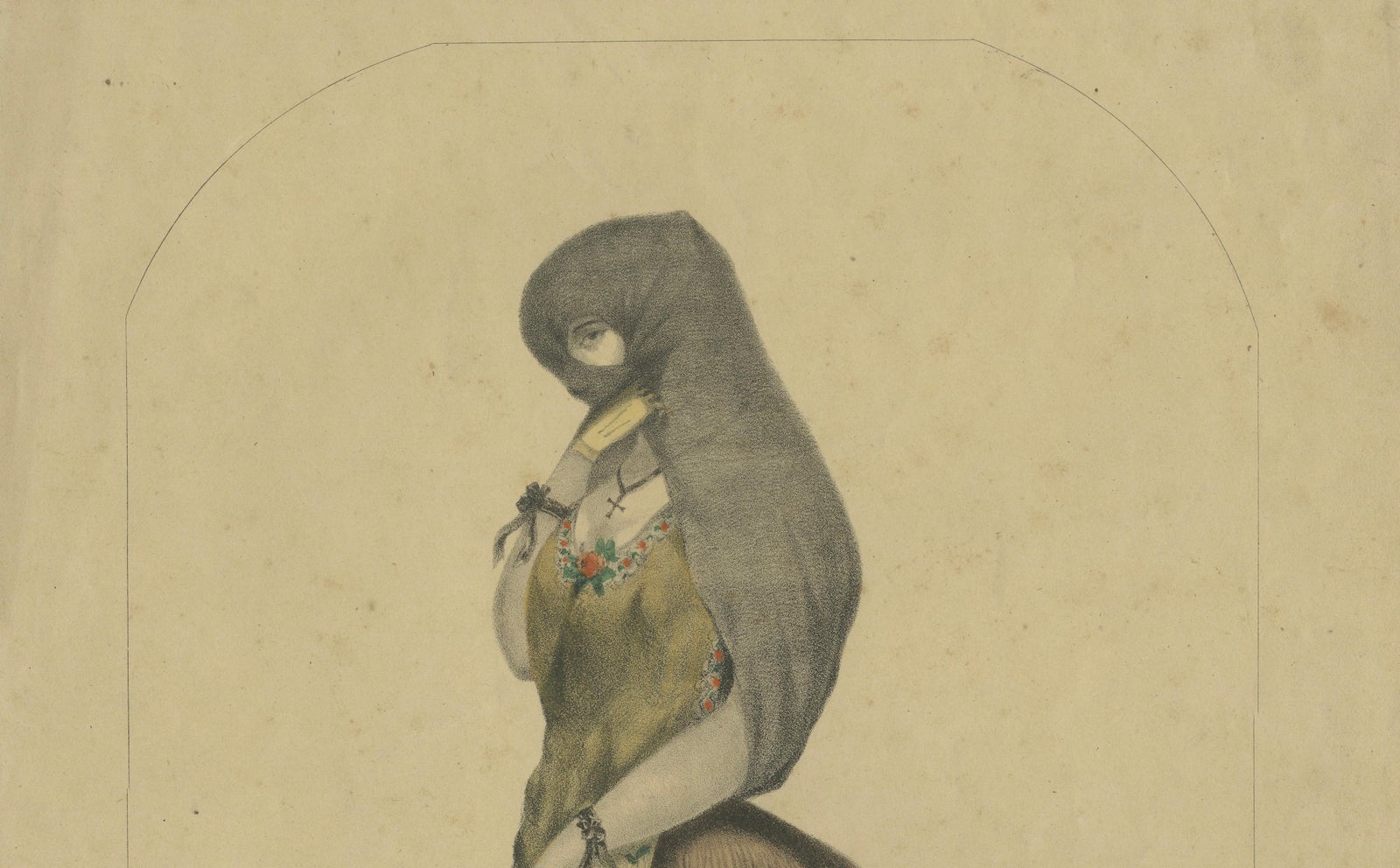
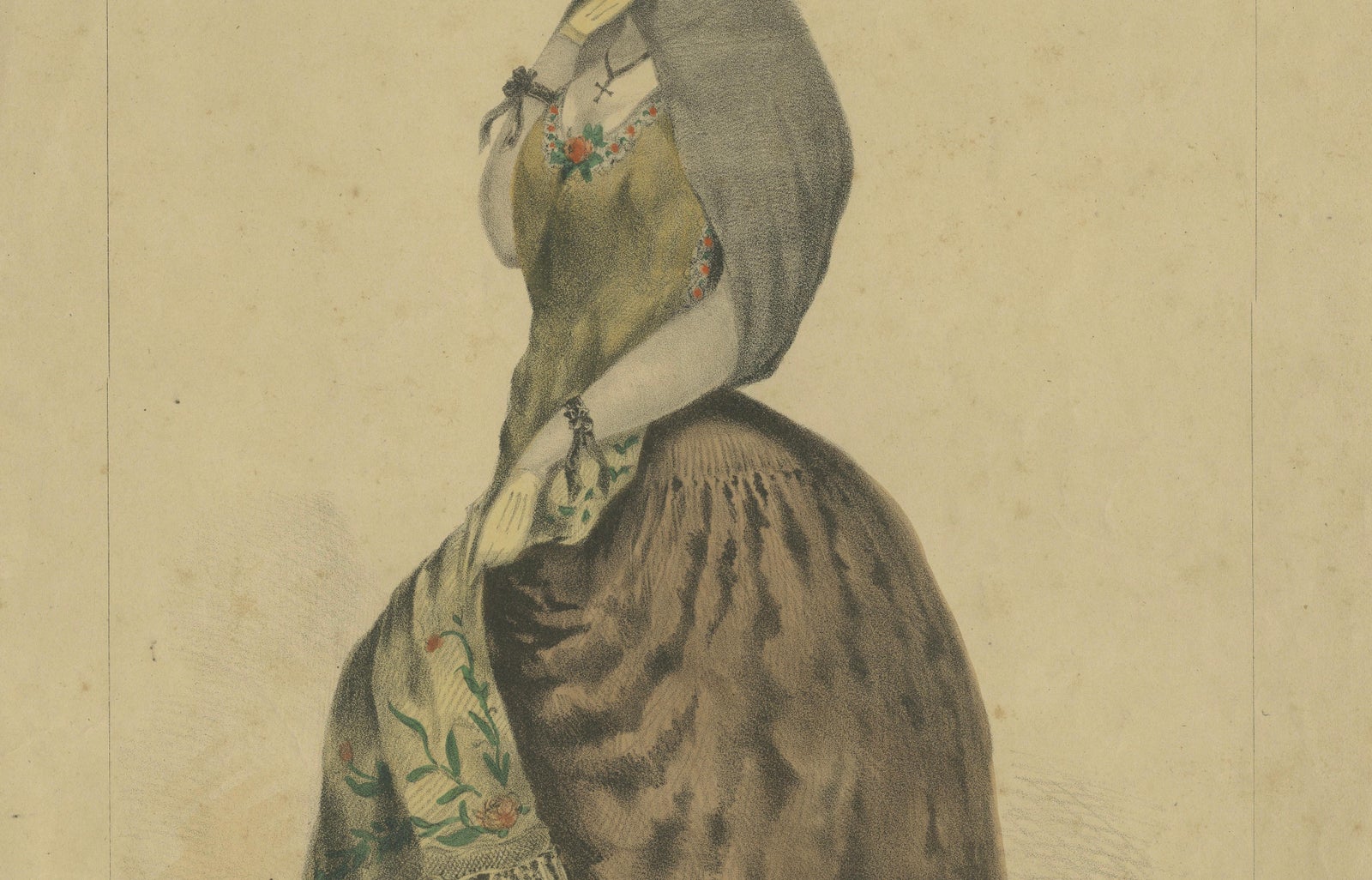
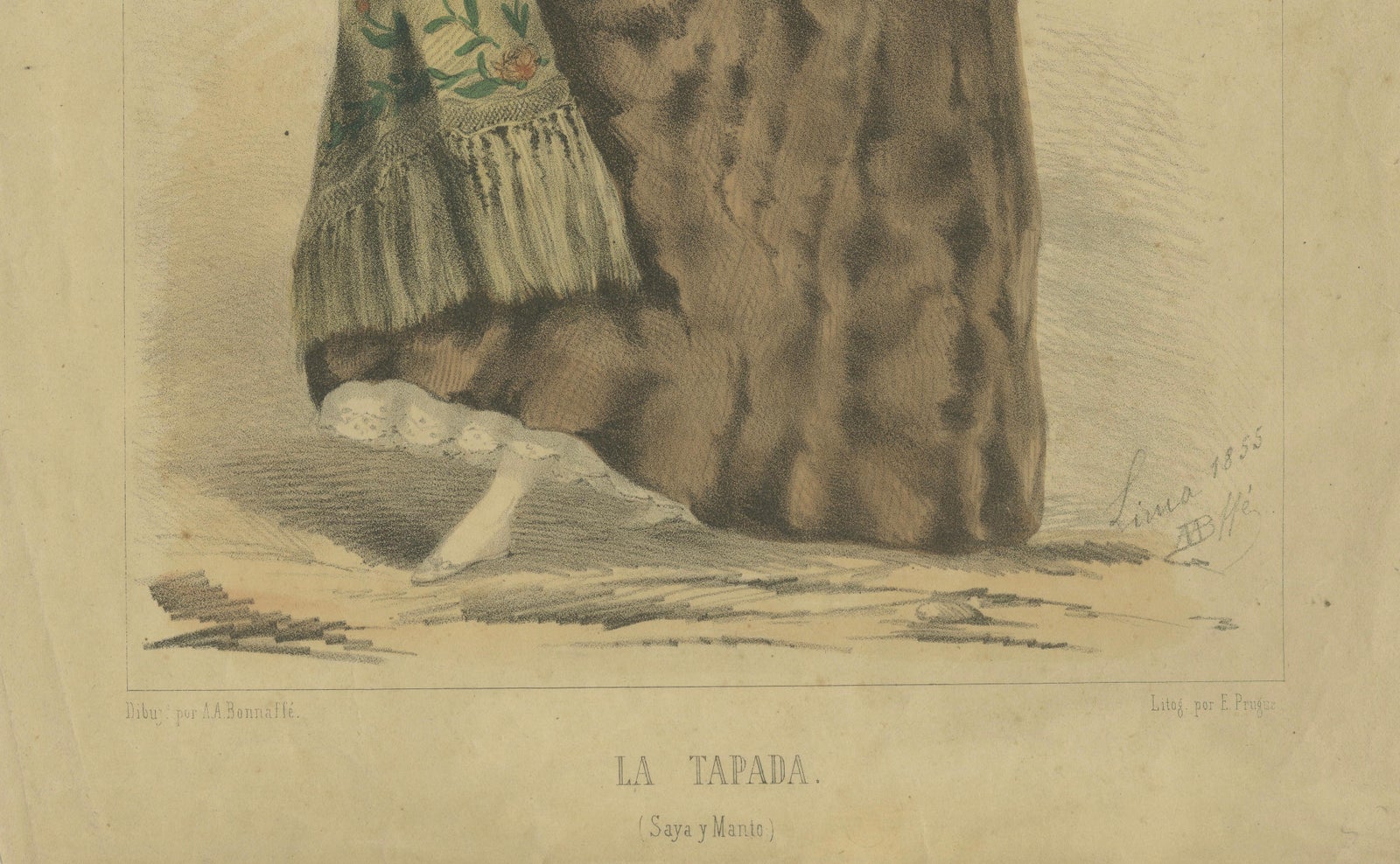
A veiled woman of Lima in "La Tapada (Saya y Manto)", an original hand-colored lithograph by Auguste-Antoine Bonnaffé from his album Recuerdos de Lima, dated 1855. The title and the subtitle "Saya y Manto" are lettered beneath the figure, with the lithographer's credits at either side and a signature and date at the lower right.
The tapada wears the costume that gave the type its name: a dark manto drawn over the head and across the face so that only one eye shows, over a fitted green bodice patterned with small flowers, and a full brown saya skirt with a mottled pattern. A fringed shawl with floral embroidery hangs from her arm, and she holds the veil closed with one hand. Her skirt is lifted just enough to show a stockinged foot and ankle, a detail often remarked on by travelers. She stands without background, within an arched outline, on a tinted ground.
The saya y manto was a distinctive fashion of colonial and early republican Lima, and visitors wrote often of the anonymity it gave the wearer. Bonnaffé, a French painter who traveled in Peru in the 1850s, recorded the city's types and dress in this album.