Close-ups
Framed and on the wall
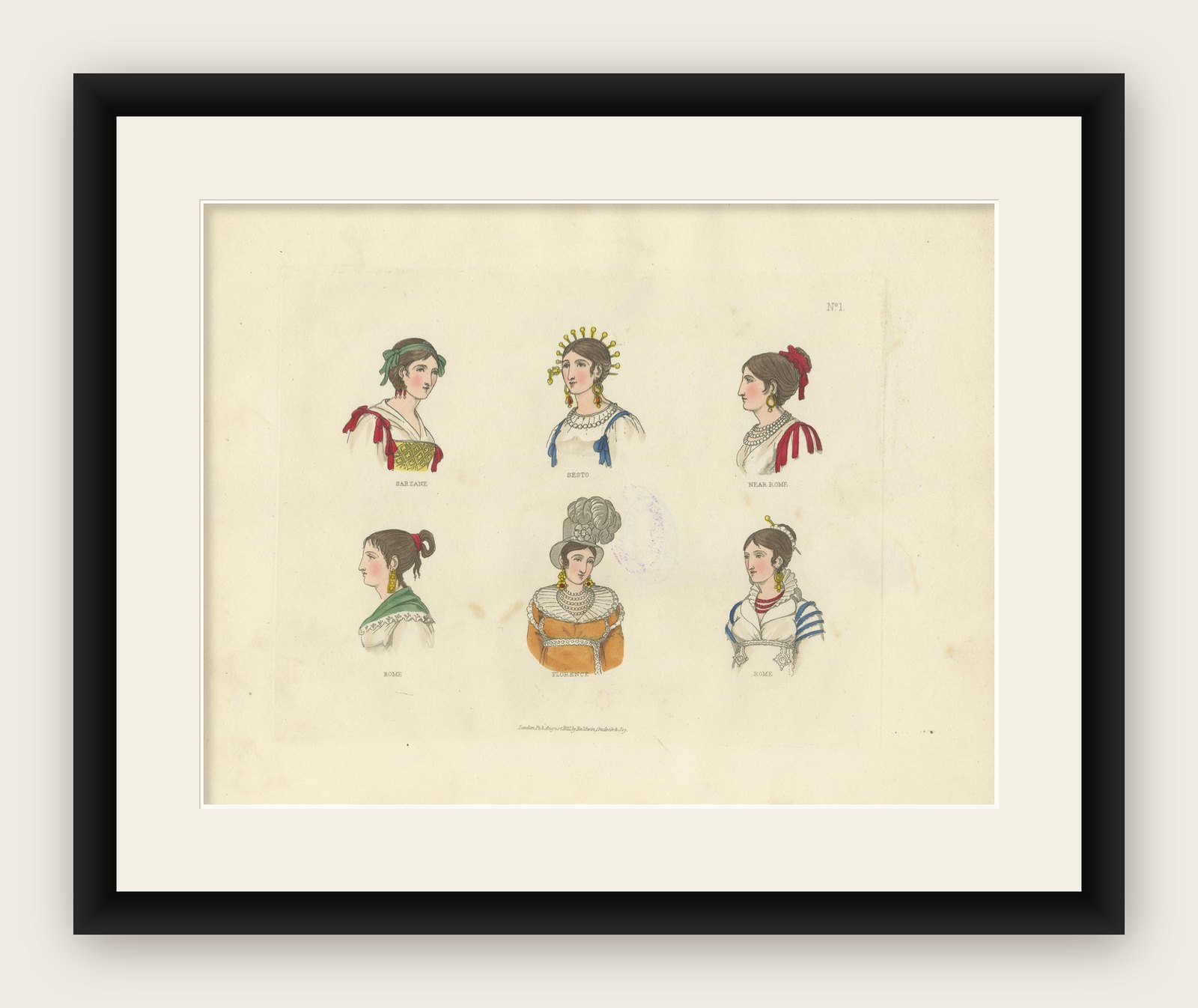
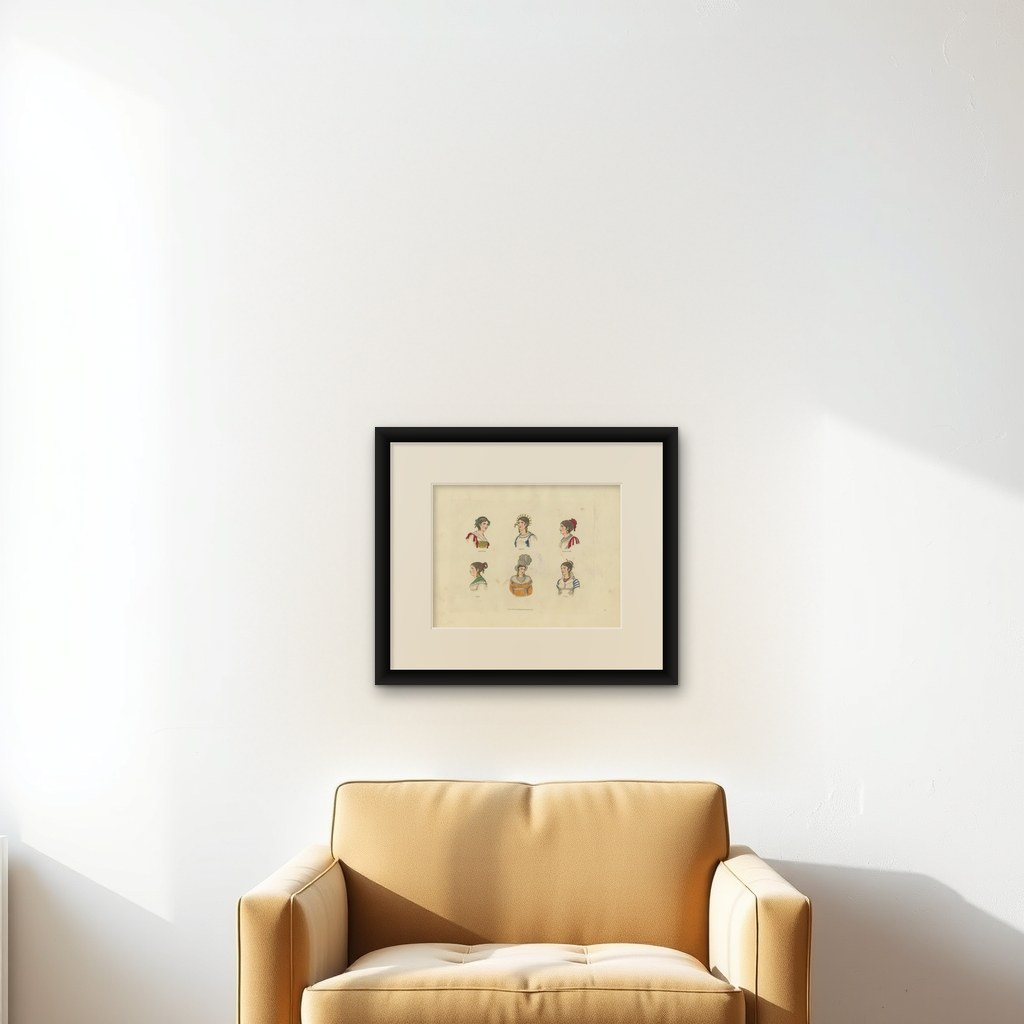

Frame and rooms are illustrations of how the print could look; the description says what is included.
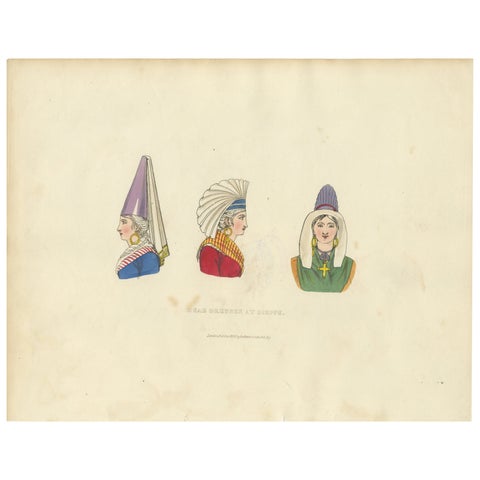
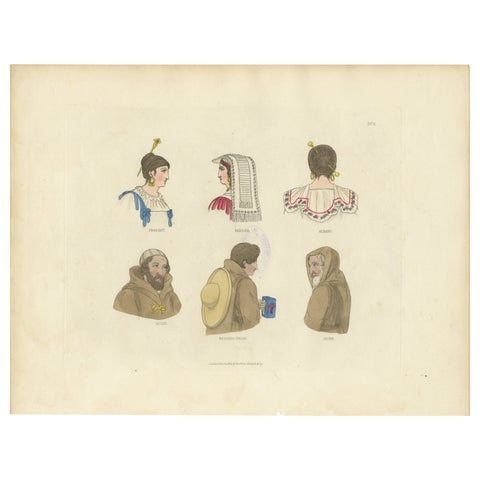
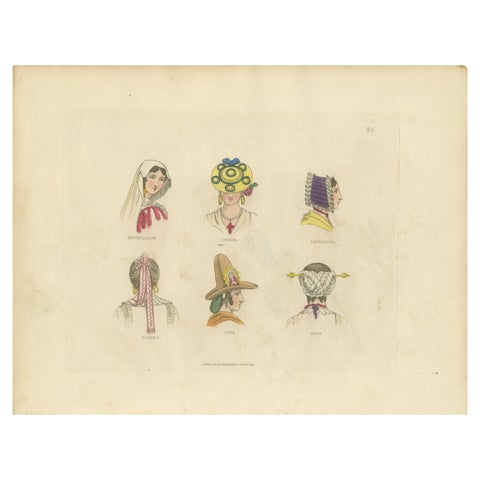
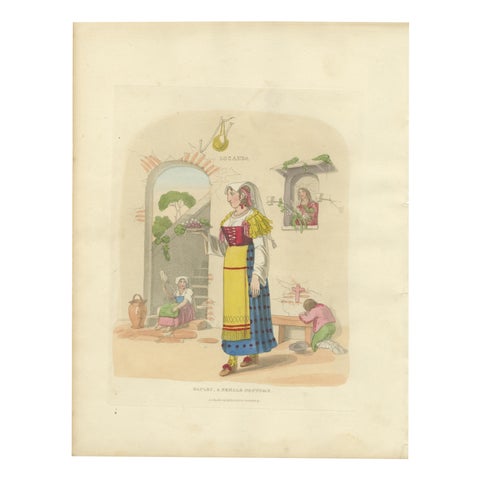
Italian Regional Costumes: Sarzana, Sesto, Rome and Florence, 1823
£120
$155 · €140
Original print, not a reproduction.
Ships worldwide from the Netherlands, flat, insured and tracked. 14-day returns. To buy, use Ask a question and we will reserve the print for you.
- Date
- 1823
- Sheet size
- 9.4 × 12.4 in (24 × 31.6 cm)
- Condition
- Good. Good condition with only faint foxing in margins and a light central mark. Colors remain vibrant and the paper stable. Minor edge toning consistent with age.
- Wardrobe
- Folk finery
- Era
- 1790 to 1840, Empire and Romantic
- Stock no.
- f_45309362
Italian Regional Costumes: Sarzana, Sesto, Rome and Florence, 1823
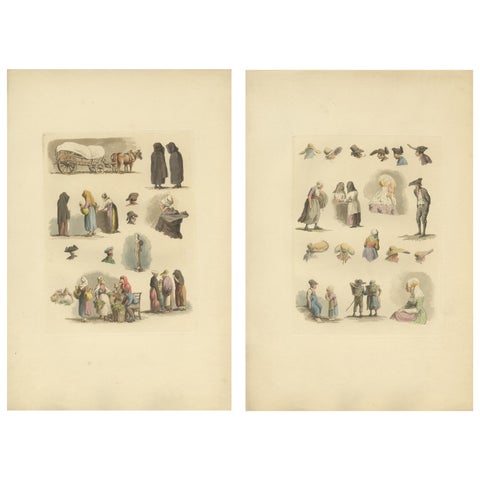
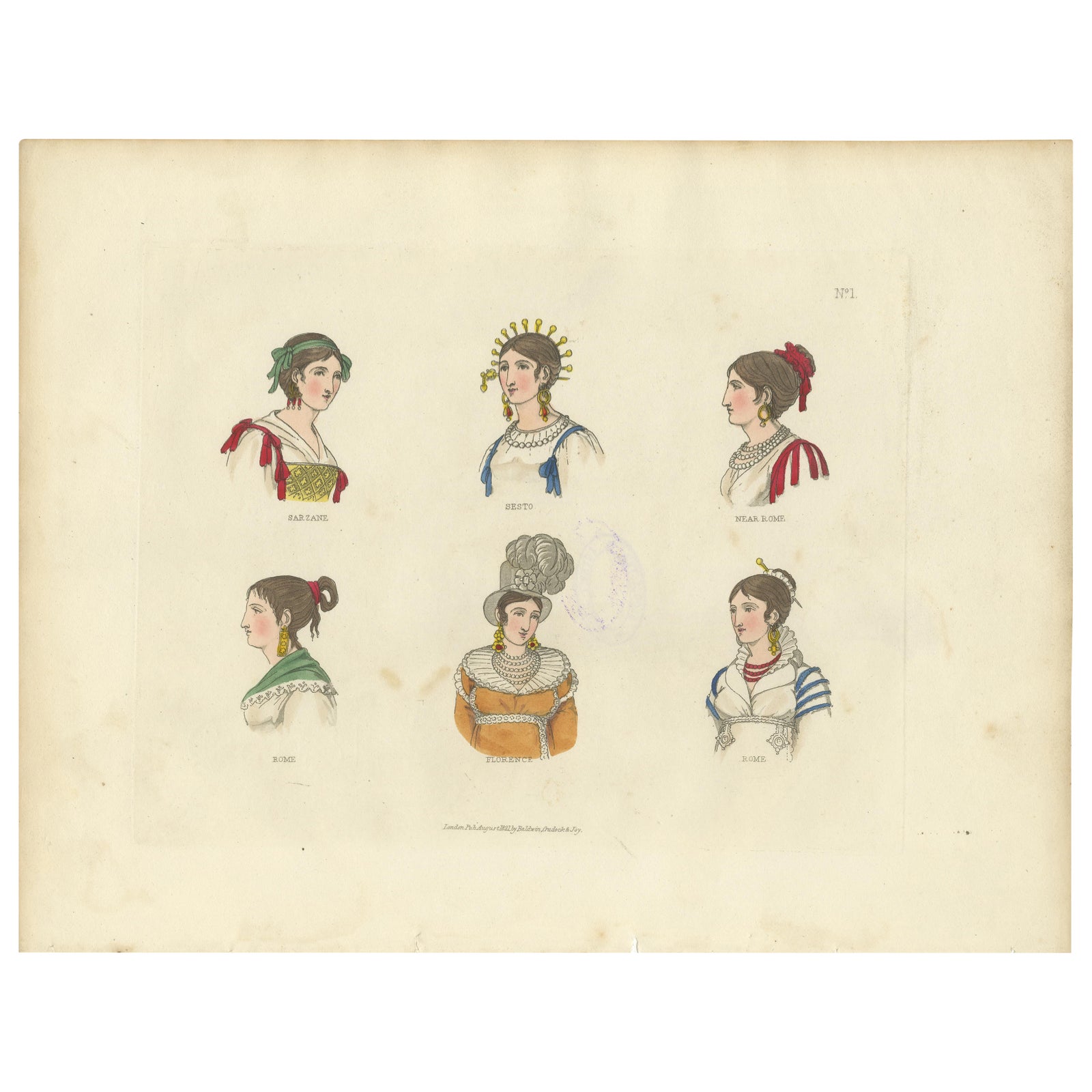
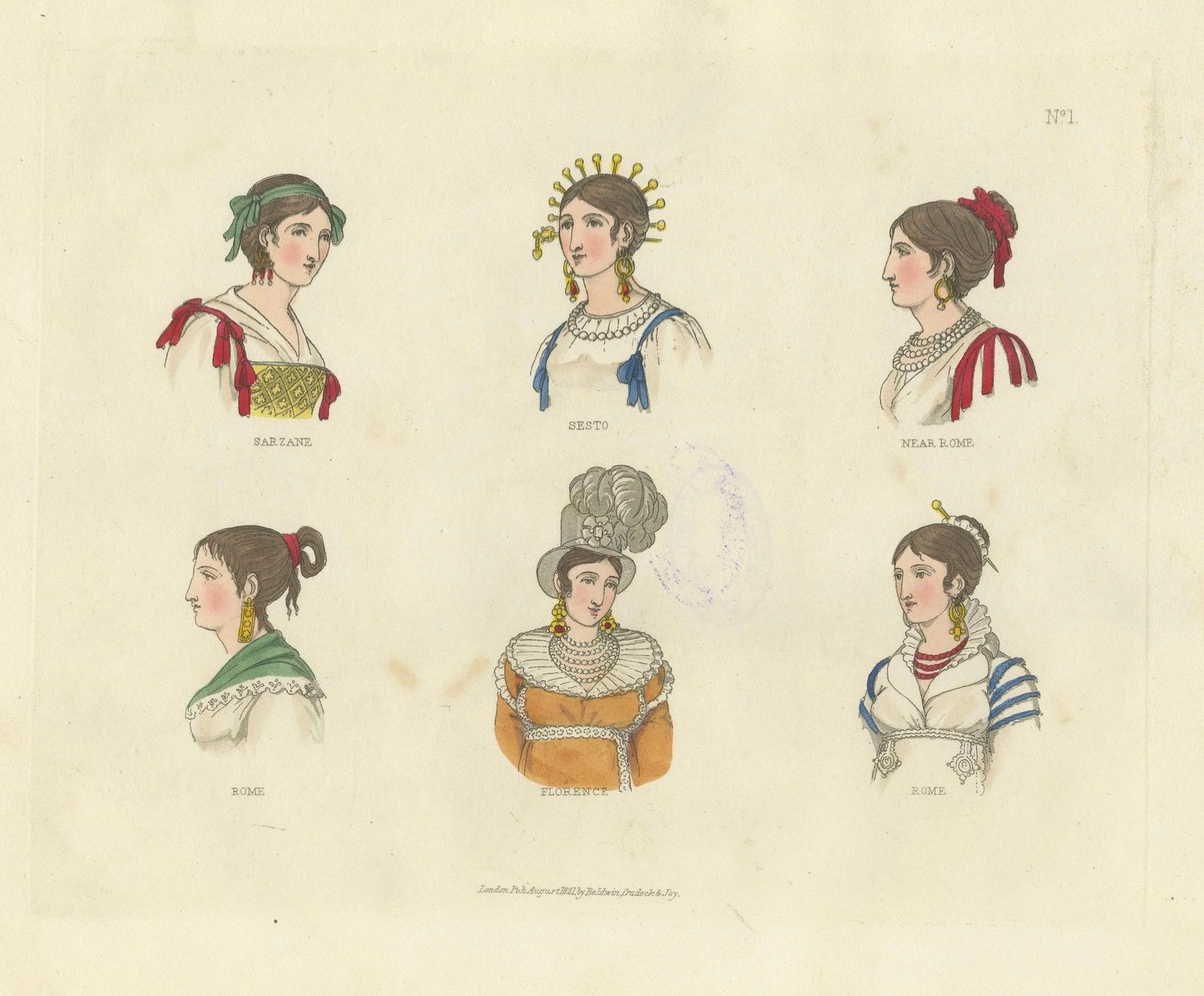
This hand-colored lithograph presents six detailed bust portraits of Italian women dressed in traditional regional attire, highlighting variations in costume and headwear from different cities and provinces. Published in London on December 1, 1823, by Baldwin, Cradock & Joy, this sheet is part of an early 19th-century series devoted to European national and local costumes, intended for an English audience fascinated by continental dress and culture.
Each figure is carefully labeled to indicate her place of origin: Sarzana, Sesto, Near Rome, Rome (appearing twice), and Florence. The figures are arranged in two rows of three and rendered with striking delicacy, featuring distinct hair styles, jewelry, and textile patterns. The attention to fashion detail, down to the arrangement of ribbons, bodices, and earrings, suggests that these representations were meant not only for ethnographic interest but also as a source of artistic inspiration and social curiosity.
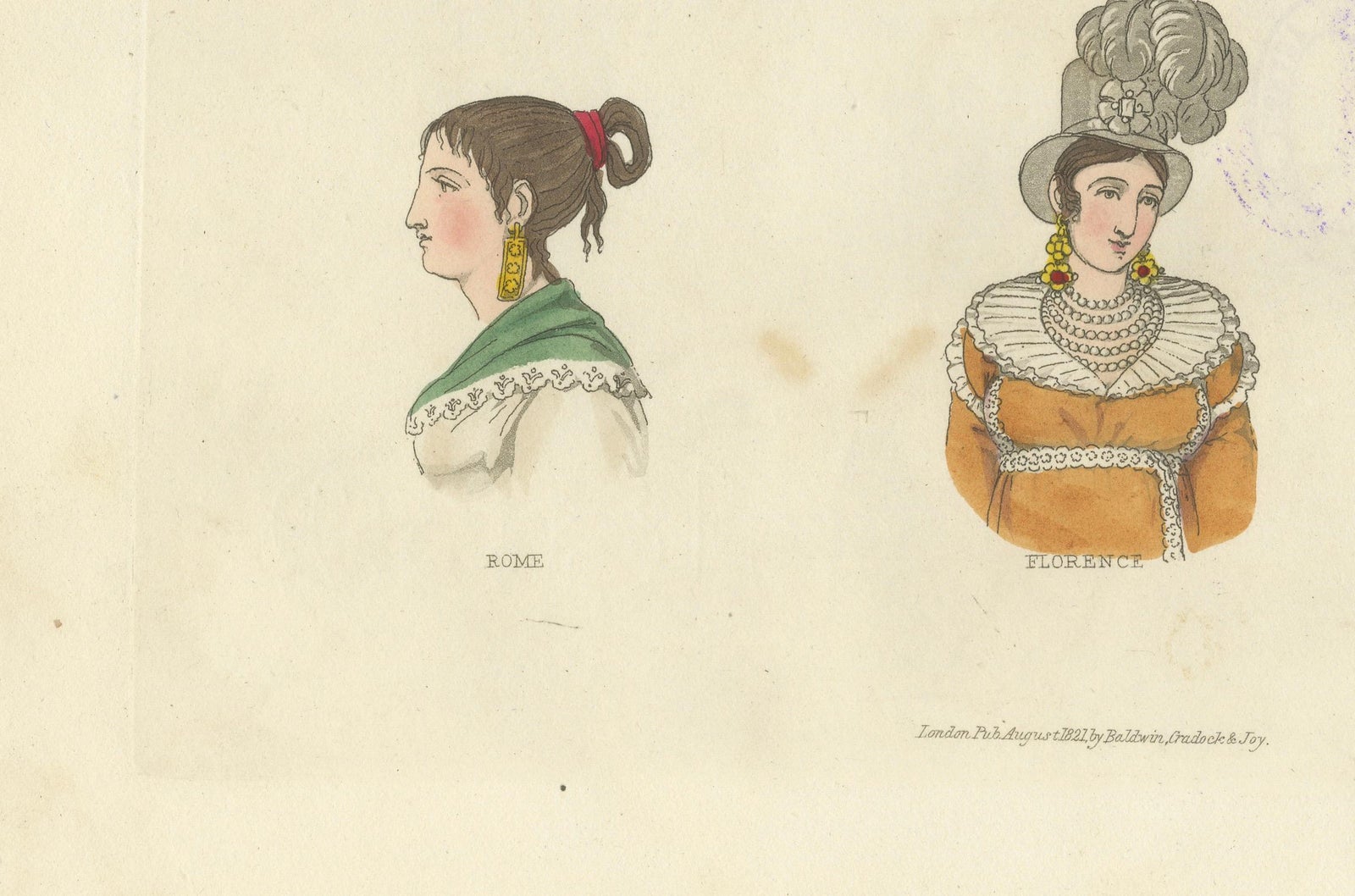
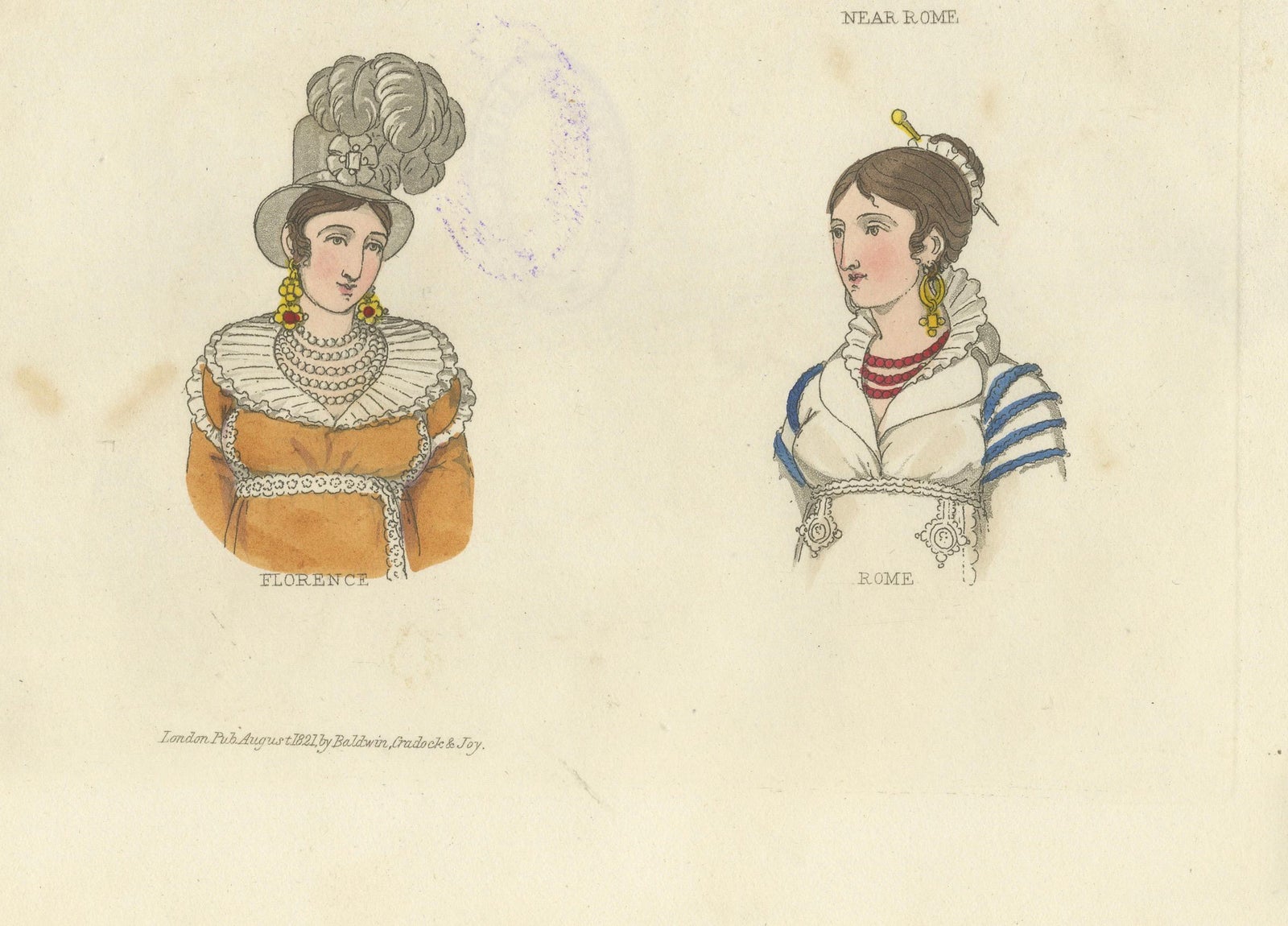
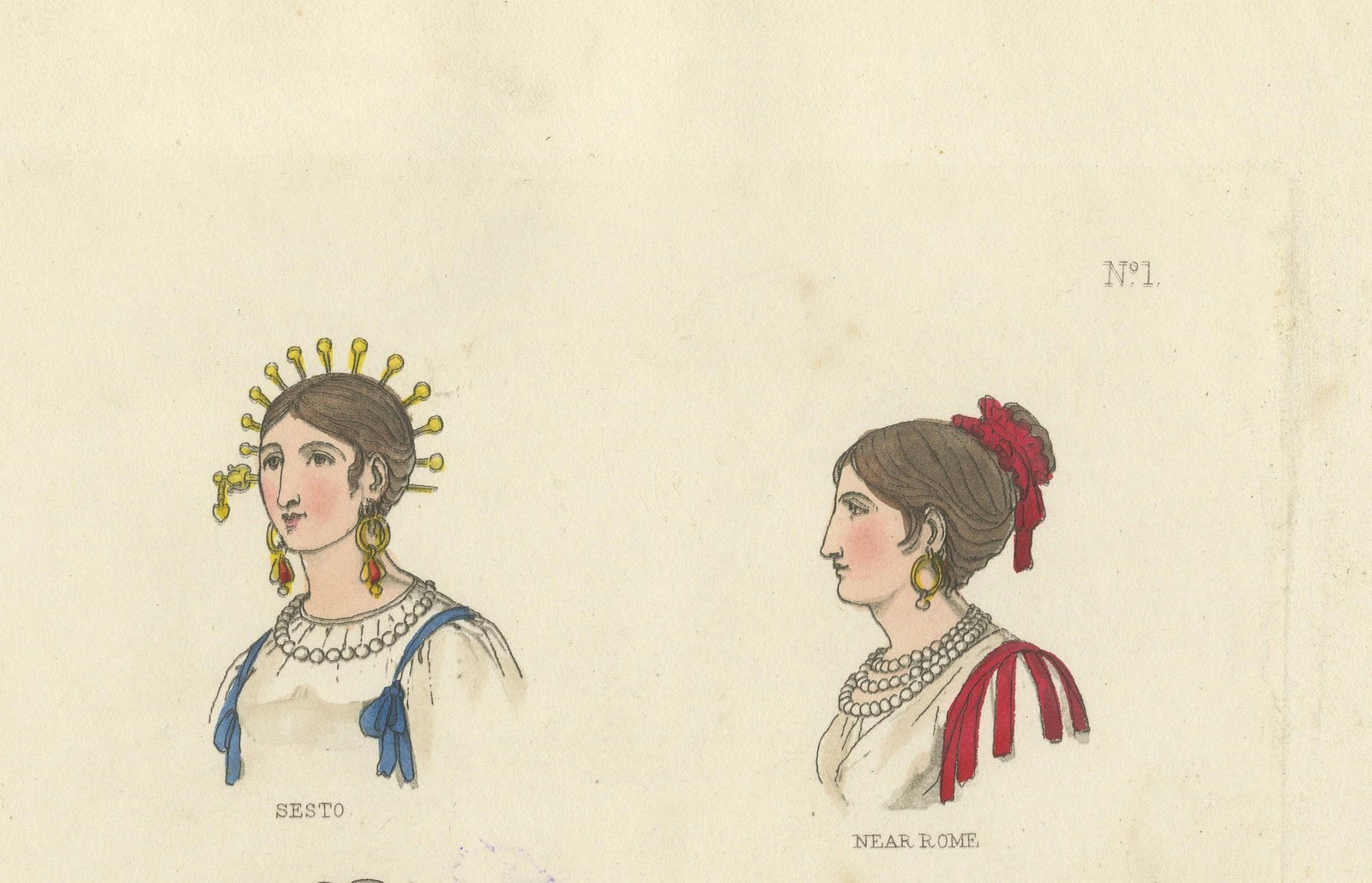
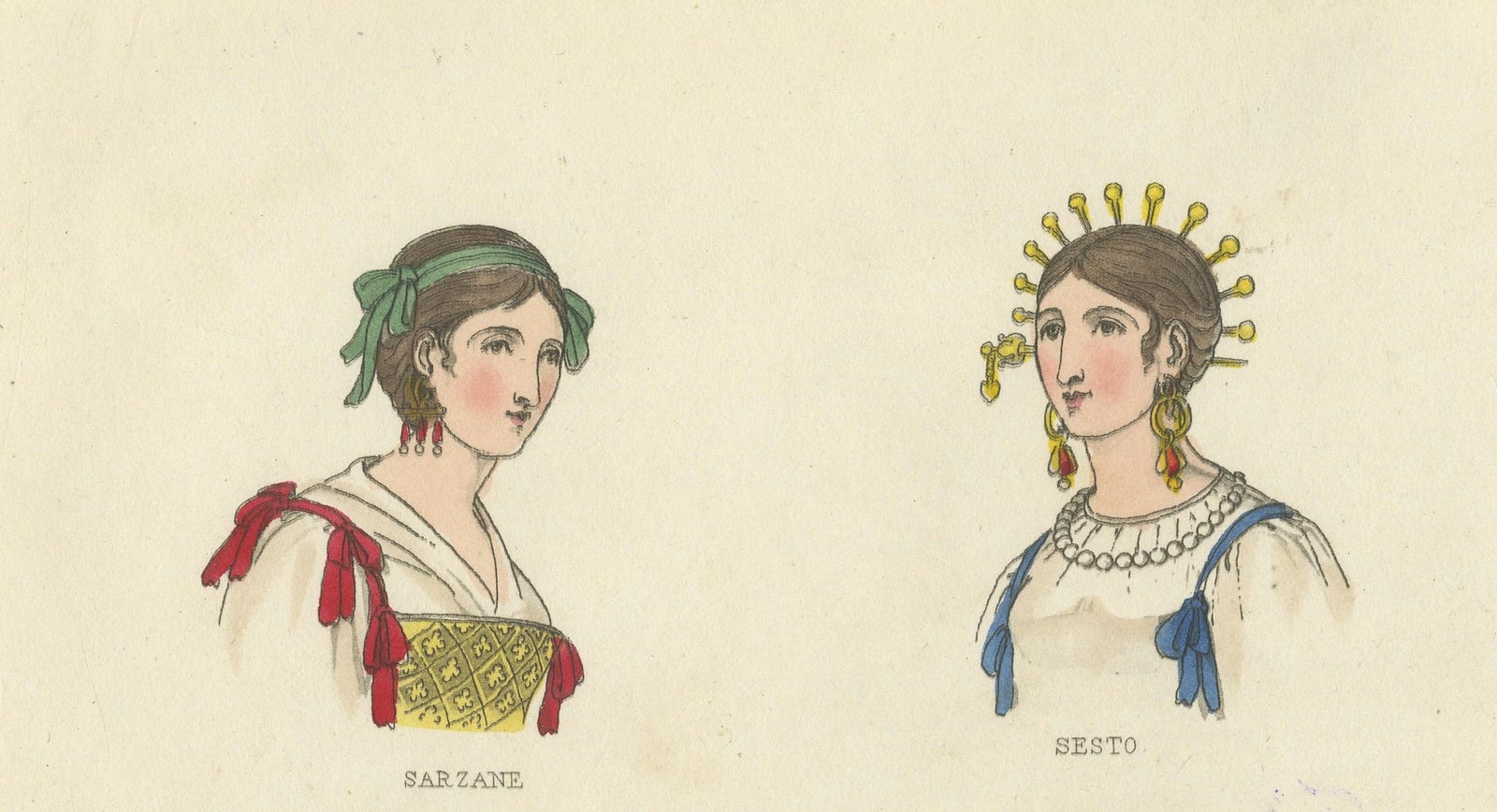
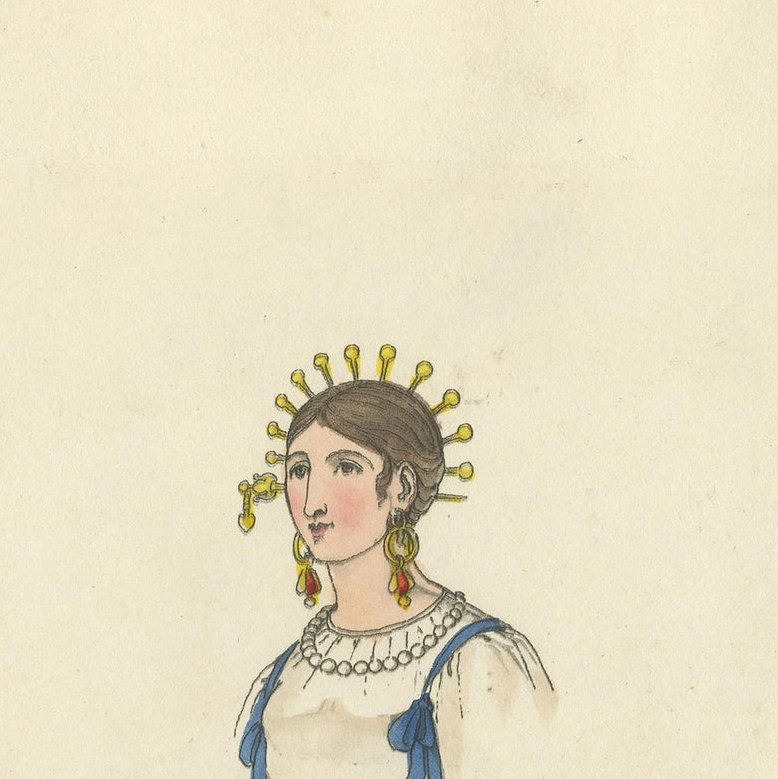
The woman from Sarzana, for instance, wears a green-gold bodice with shoulder bows, while the figure from Sesto is crowned with an ornate halo-like hairpiece of golden pins, evoking local ceremonial traditions. In contrast, the woman labeled “Near Rome” wears a more modest white dress adorned with red accents, while one of the two “Rome” figures is shown with a simple side bun and green shawl, and the other with a striped blue-and-white sleeve and gold jewelry.
The most flamboyant costume belongs to the woman from Florence, whose elaborate hairstyle, plume-like adornments, and rich orange gown with white lace convey courtly elegance and urban sophistication.
The entire composition serves as a visual archive of Italian women's fashion before industrial standardization. These prints, by capturing regional diversity, aimed to appeal to early 19th-century British collectors and armchair travelers drawn to the perceived romance and charm of southern Europe.
Condition Report:
Good condition with only faint foxing in margins and a light central mark. Colors remain vibrant and the paper stable. Minor edge toning consistent with age.
Framing Tips:
Frame in warm walnut or antique gold with a wide cream mat to accentuate the symmetrical layout and historic charm. Use museum glass to protect delicate hand-coloring.