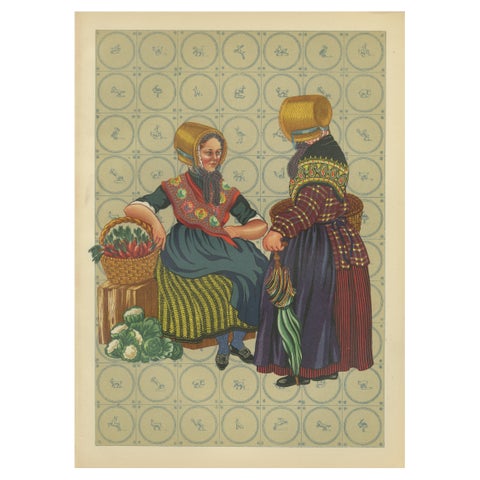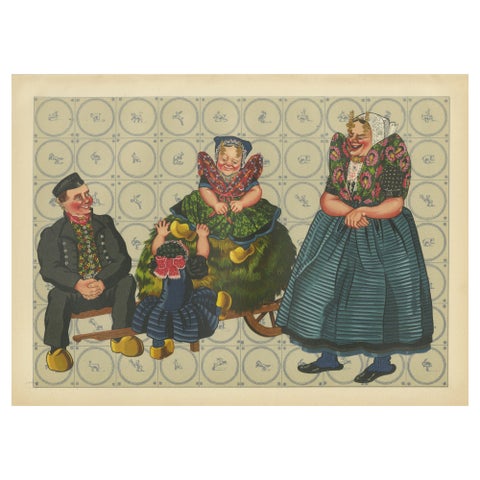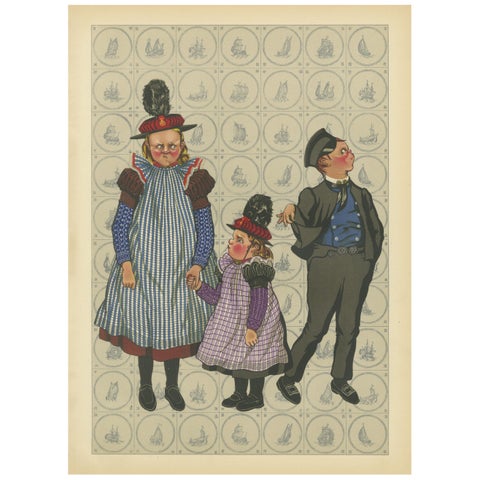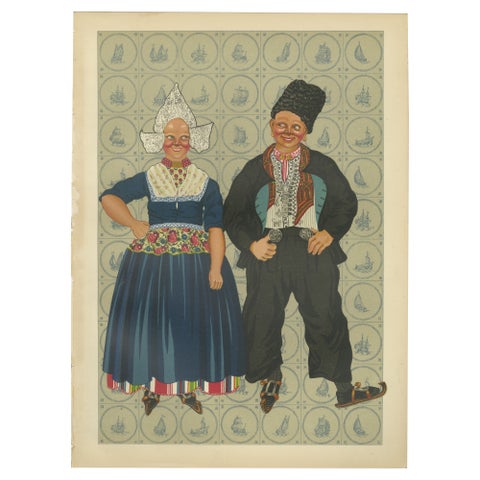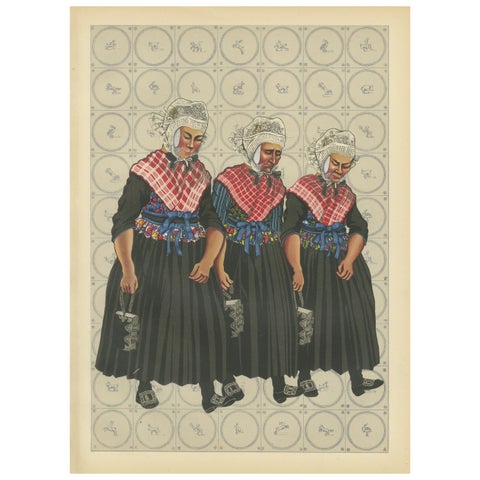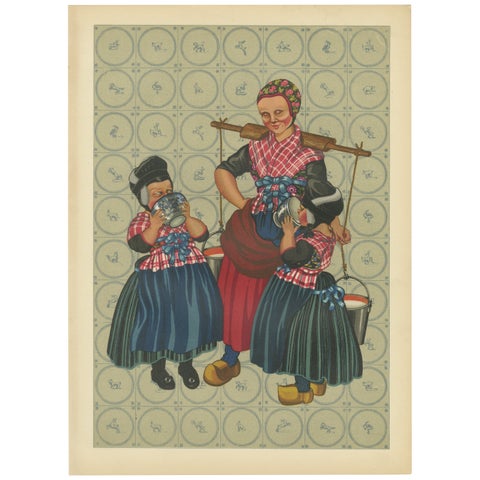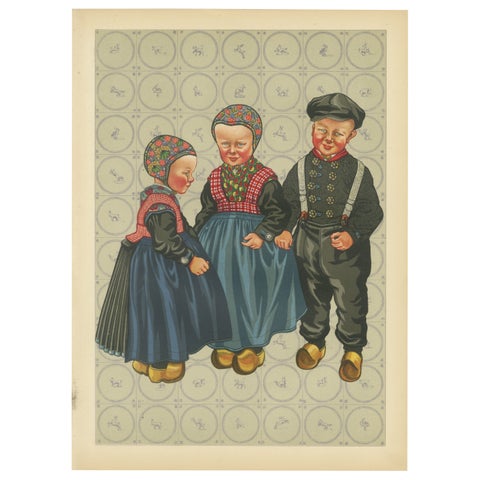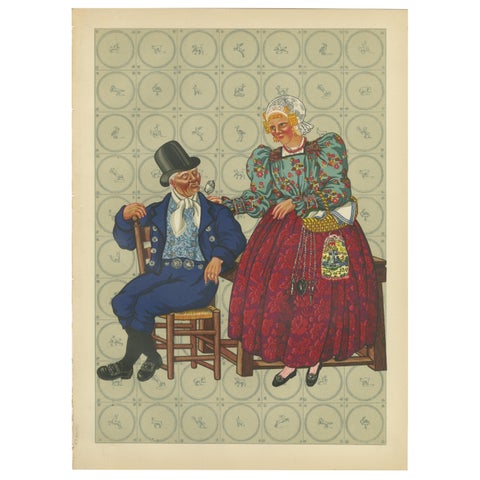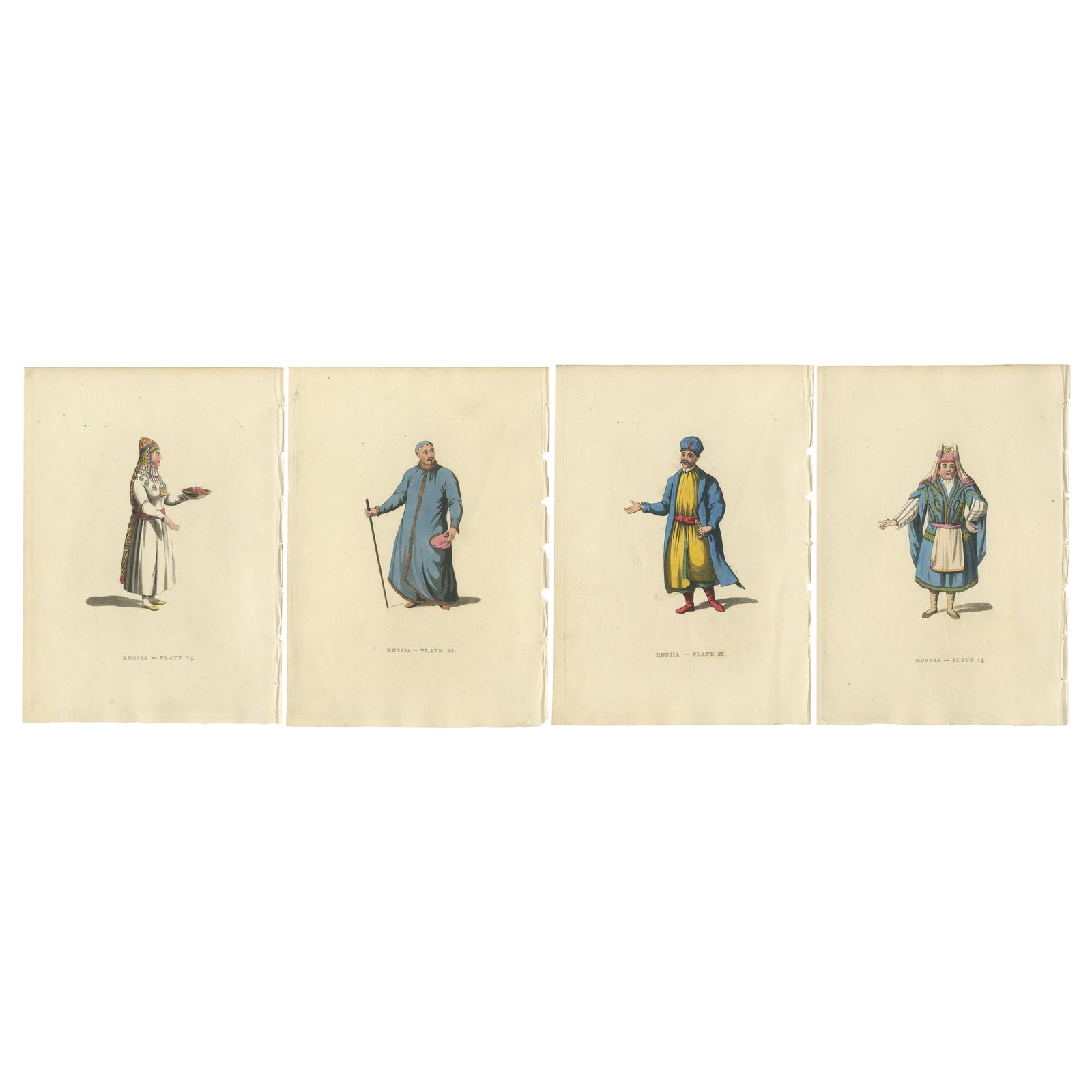
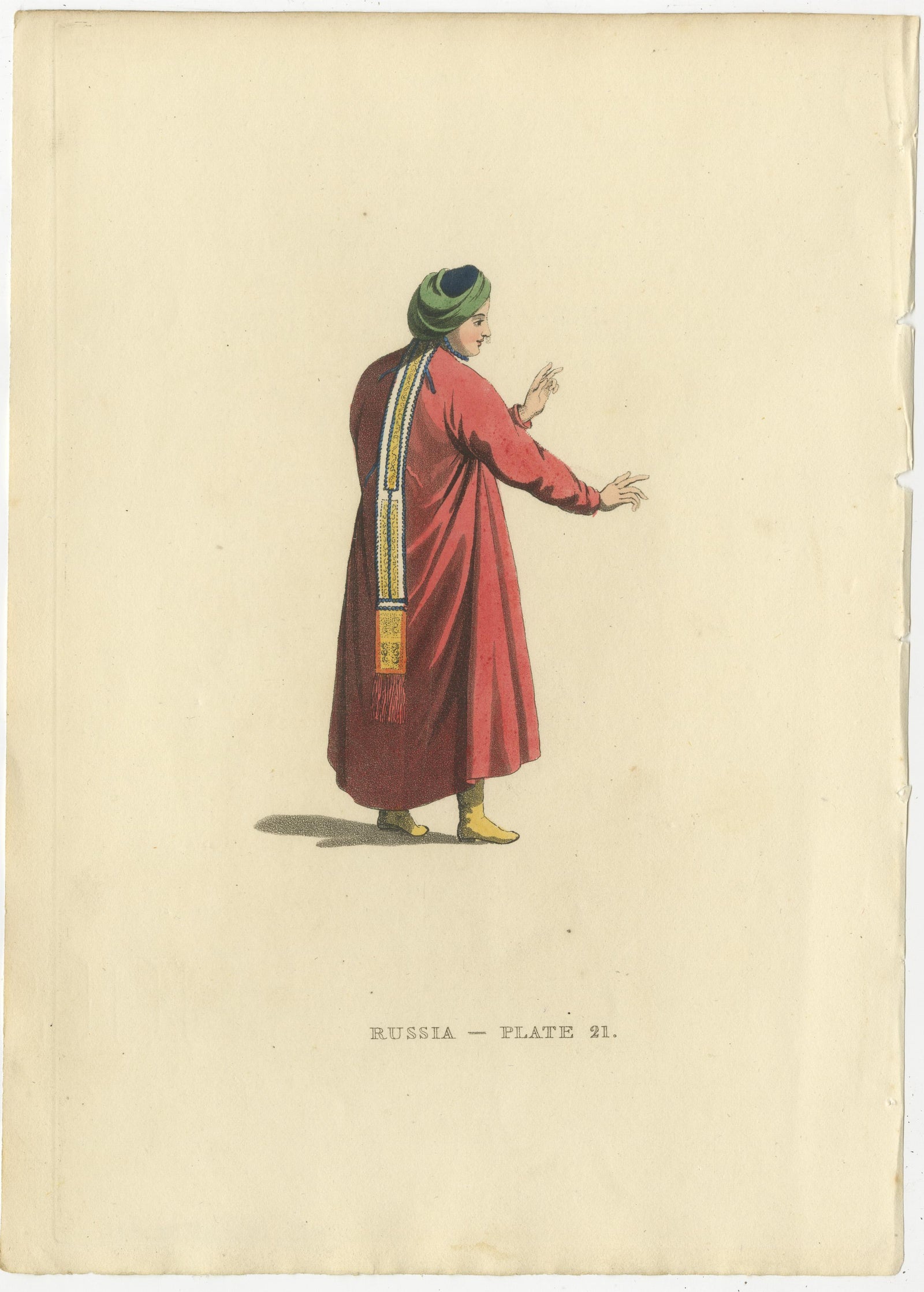
Close-ups
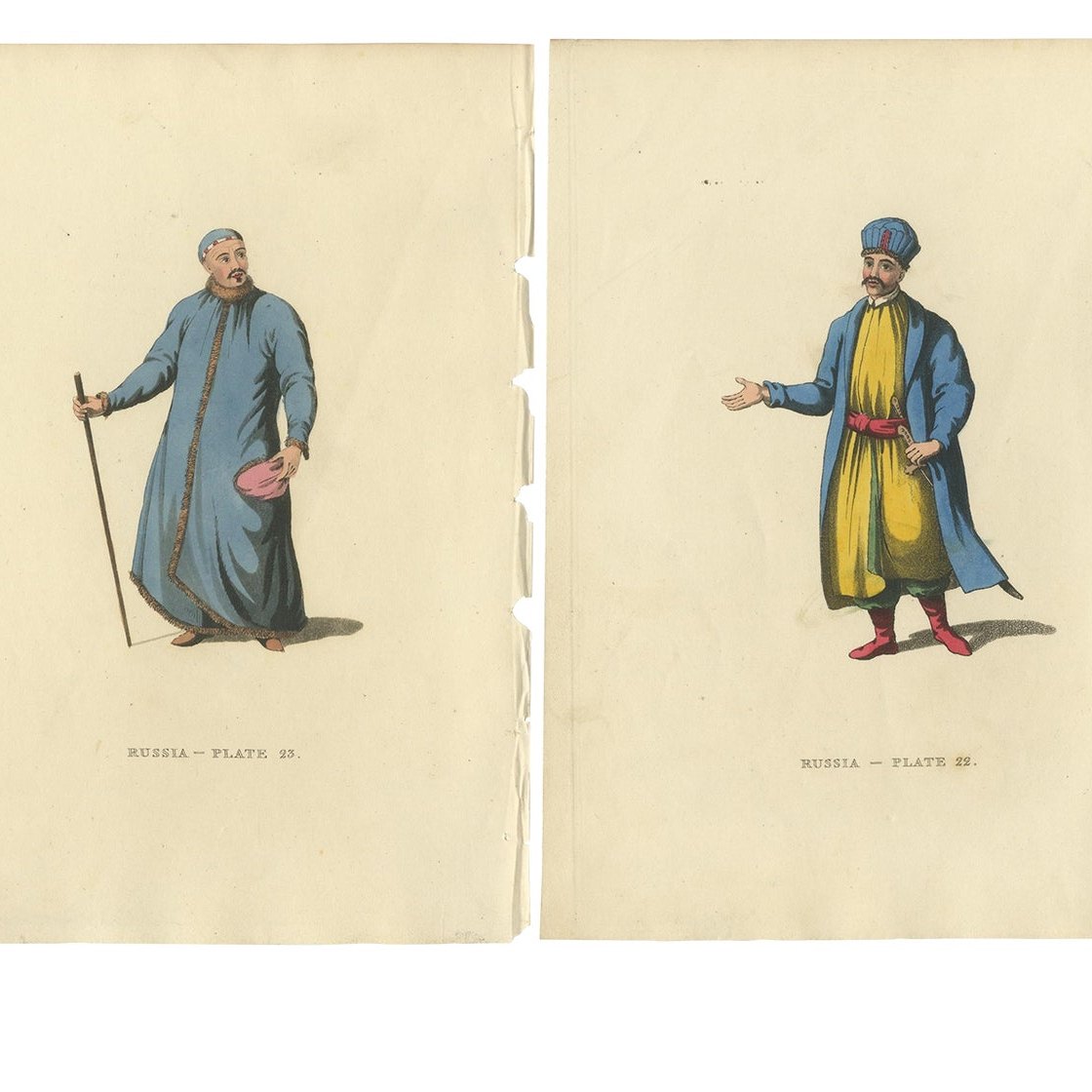
Framed and on the wall
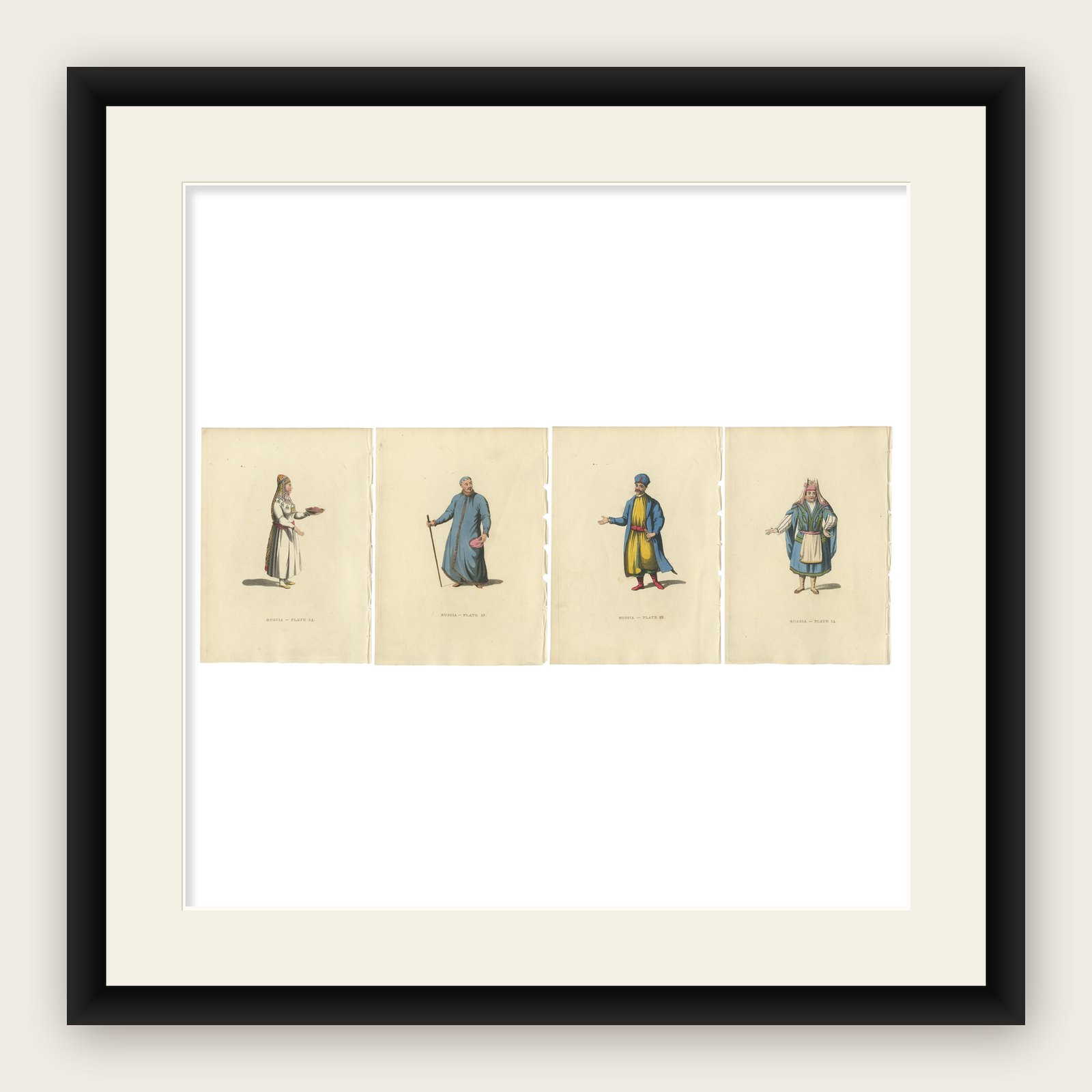


Frame and rooms are illustrations of how the print could look; the description says what is included.
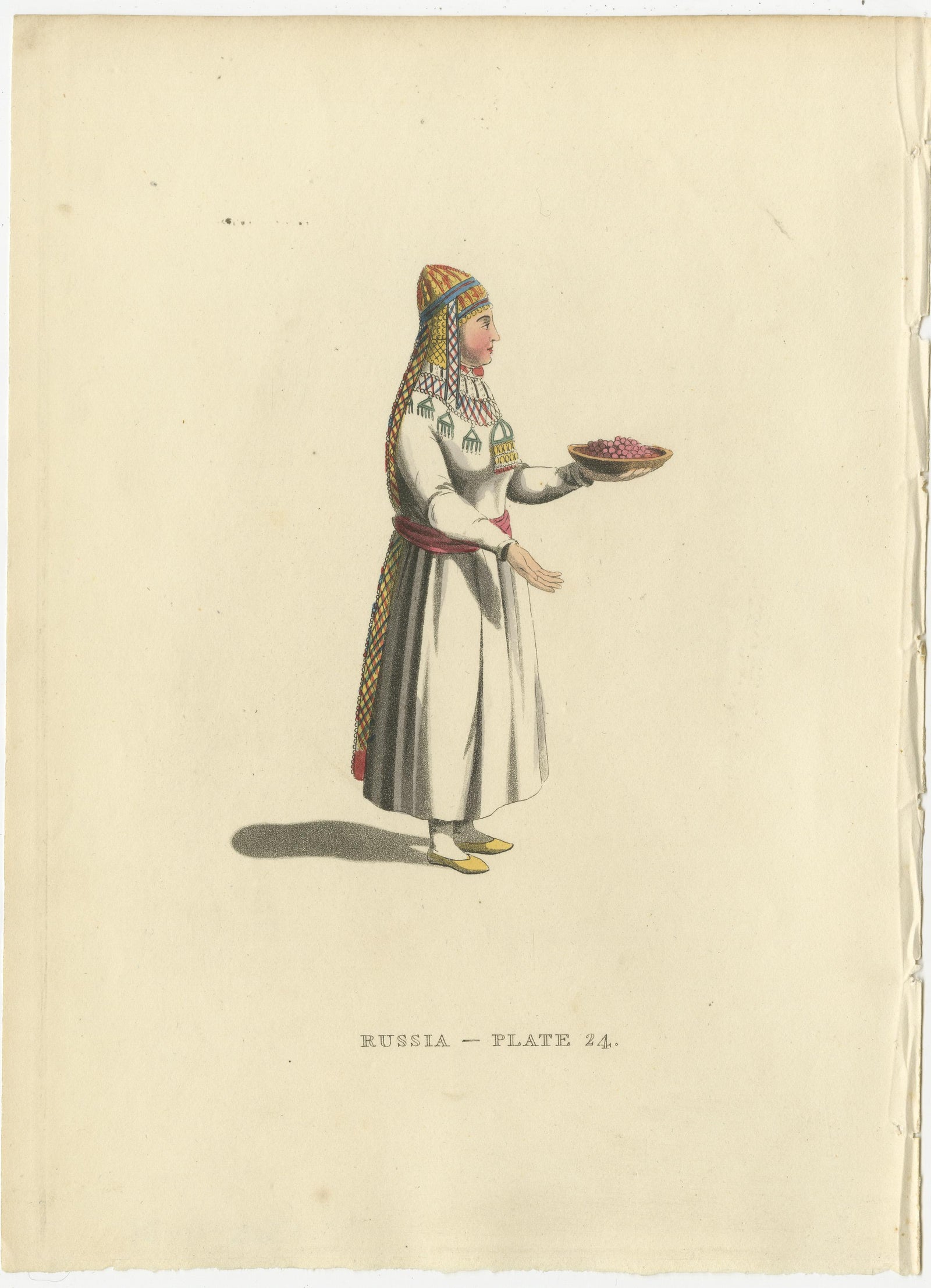
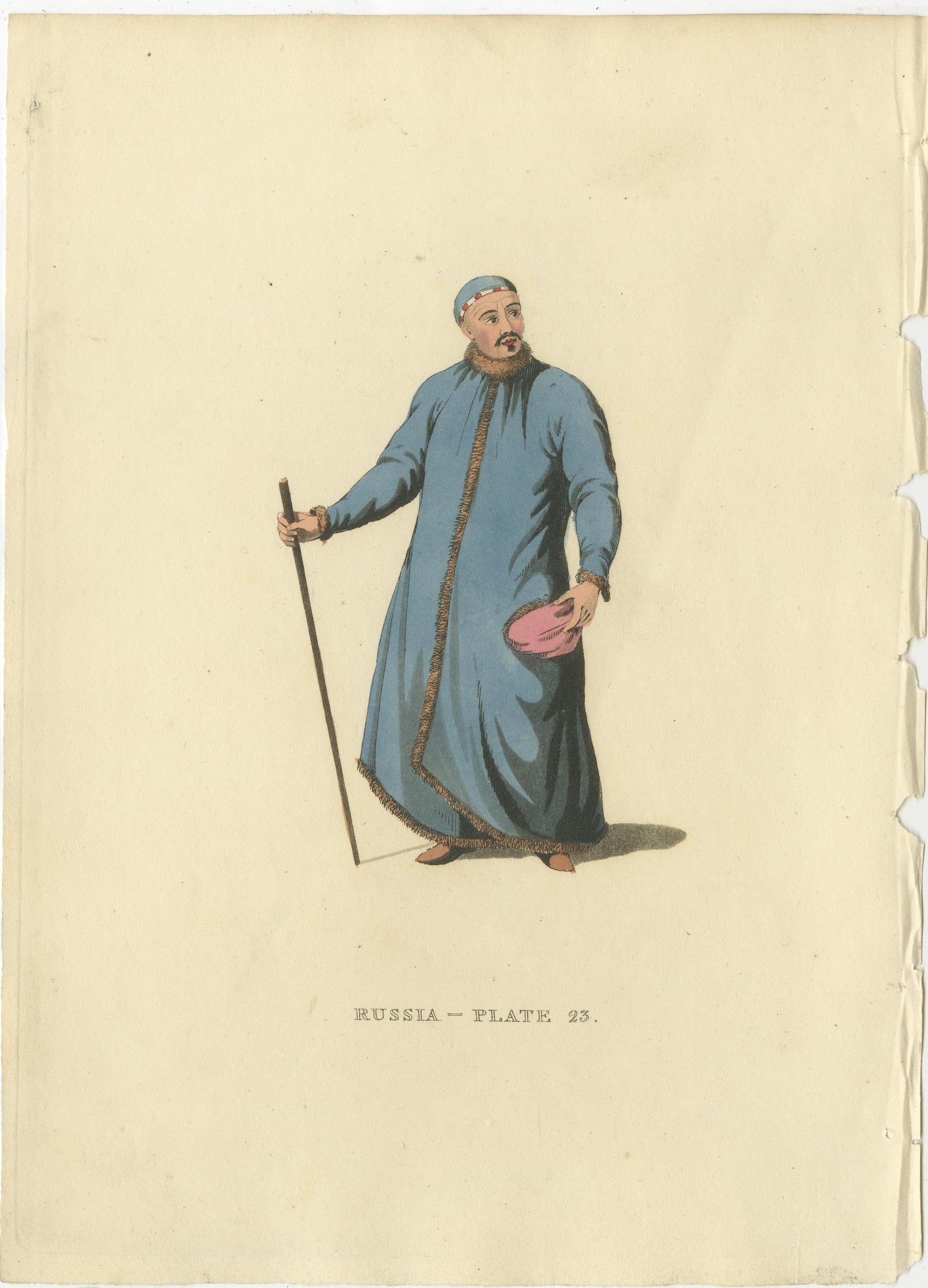
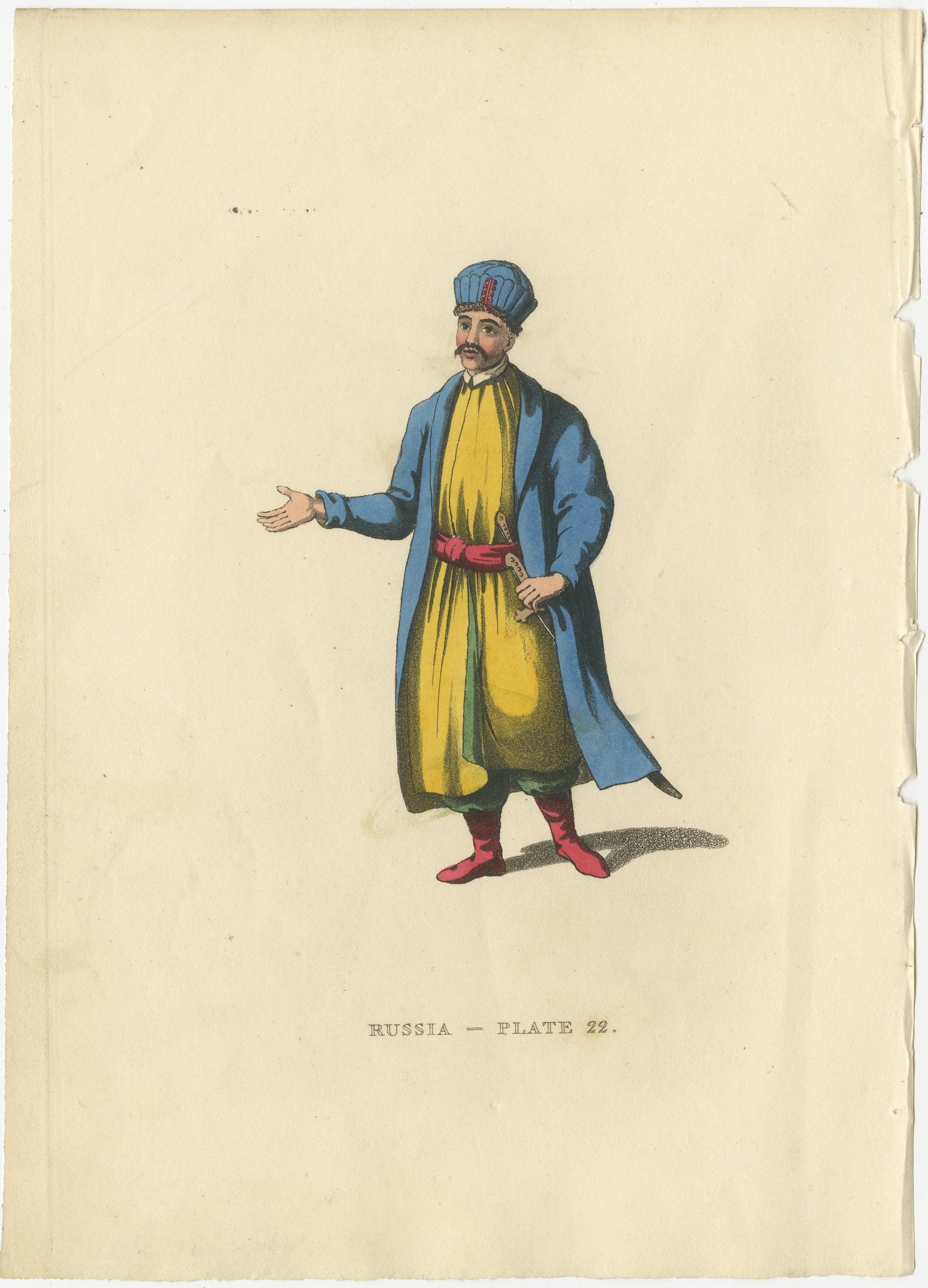
Ethnic Tapestry of 19th Century Russia: A Visual Anthology of Traditional Attire
€360
$405 · £305
Original print, not a reproduction.
Ships worldwide from the Netherlands, flat, insured and tracked. 14-day returns. To buy, use Ask a question and we will reserve the print for you.
- Date
- Not stated
- Sheet size
- 9.4 × 6.7 in (24 × 17 cm)
- Condition
- Good. Good, given age. General age-related toning and/or occasional minor defects from handling. Right edge rough, but leaving enough space for proper framing. Please study scan carefully.
- Wardrobe
- Folk finery
- Stock no.
- f_38709492
Source these engravings: The publication "Picturesque Representations of the Dress and Manners of the Russians," which includes sixty-four colored engravings with descriptions. The writer of this work is William Alexander, and it was published by John Murray in 1814.
The four engravings represent a diverse cross-section of the ethnic groups that were present within the Russian Empire during the early 19th century:
1. **Bashkiri Woman**: This engraving would depict the traditional attire of a Bashkir woman, reflecting the cultural influences of the Ural Mountain region where the Bashkir people traditionally lived. The clothing would likely consist of a long dress, possibly with embroidered details, and a headscarf or other traditional headgear, indicative of her regional identity.
2. **Boukharian of Siberia**: The individual portrayed in this engraving would represent a person from Bukhara (Boukharian) who might have been living in Siberia. The attire would reflect the Central Asian influence, with possibly a robe or caftan, a turban or a distinctive hat, and boots, reflecting the fusion of cultural elements from Central Asia and the local Siberian context.
3. **Kabardinian**: A Kabardinian subject would typically be shown in the traditional dress of the Kabardino-Balkar region, which may include a Circassian coat with ornamentation, a fur hat or a high papakha, and boots. The clothing would be practical for the Caucasian mountainous terrain and climate, as well as reflective of the person's social status and regional practices.
4. **Votiakian Woman**: A Votiak (Udmurt) woman's engraving would showcase the traditional wear of the Udmurt people from the Volga region. It would typically feature bright colors, detailed embroidery, and unique jewelry, with a headdress that reflects marital status for women in the Udmurt culture.
Each engraving would not only serve as an ethnographic record of the clothing but also a window into the daily life and customs of each ethnic group. William Alexander's collection provides invaluable insights into the sartorial diversity of the Russian Empire's vast territories, illustrating the unique styles that varied greatly from one region to another due to the empire's extensive geographic and cultural diversity. These engravings are precious historical records, capturing the essence of Russian multiculturalism in the pre-photographic era.