Close-ups
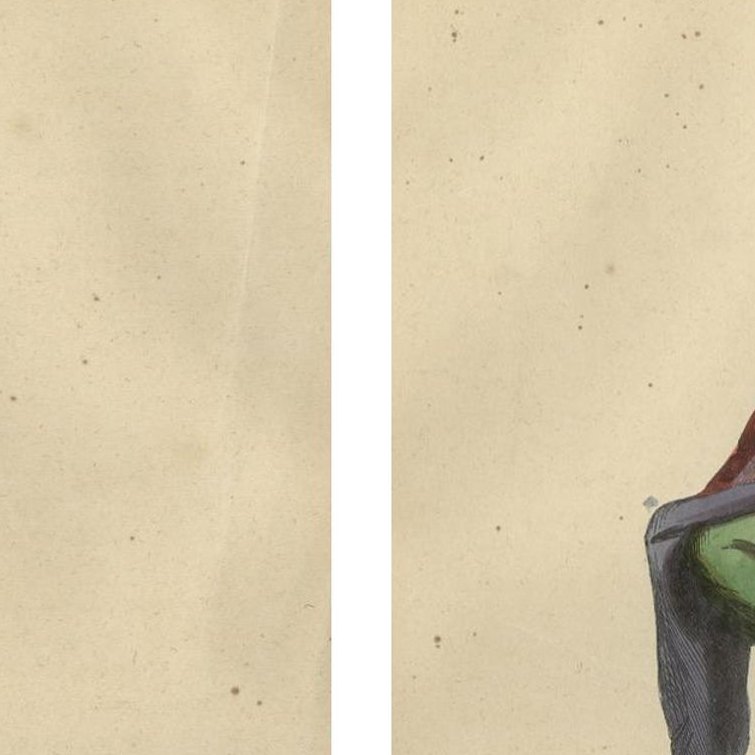
Framed and on the wall

Frame and rooms are illustrations of how the print could look; the description says what is included.
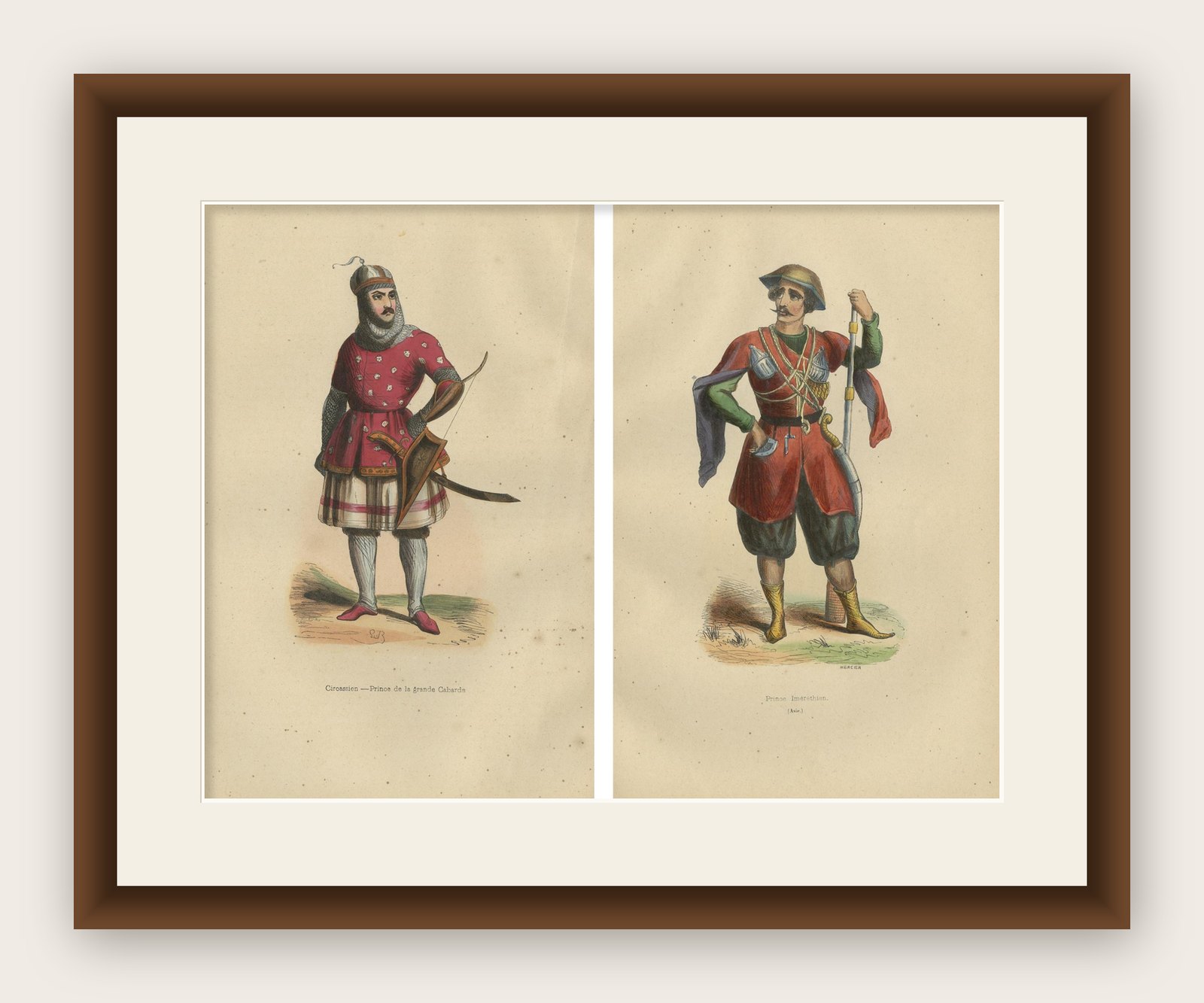
Circassian and Imeretian Princes in Traditional Attire, 1844 Lithographs
$285$20030% off
€182 · £150
Original print, not a reproduction.
Ships worldwide from the Netherlands, flat or rolled, insured and tracked. 14-day returns.
- Date
- 1844
- Sheet size
- 10.1 × 6.7 in (25.7 × 17 cm)
- Condition
- Good. Given age. Faintly browned, and with some small stains. Some glue remains (from binding) in the far left margin (not affecting image). General age-related toning and/or occasional minor defects from handling. Please study the scans.
- Wardrobe
- Far & away
- Era
- 1840 to 1870, Crinoline
- Stock no.
- BG-12722-43, BG-12722-45
What the condition grades mean
- Excellent
- Bright and clean, with no faults worth mentioning.
- Very good
- Only light signs of age, such as faint toning.
- Good
- Normal signs of age for a sheet of this period: toning, some foxing, small marks or neat old repairs.
- Fair
- Clear faults such as staining, tears or repairs, priced to match.
Every fault we see is written in the condition note, and the whole sheet is shown uncropped in the photos.
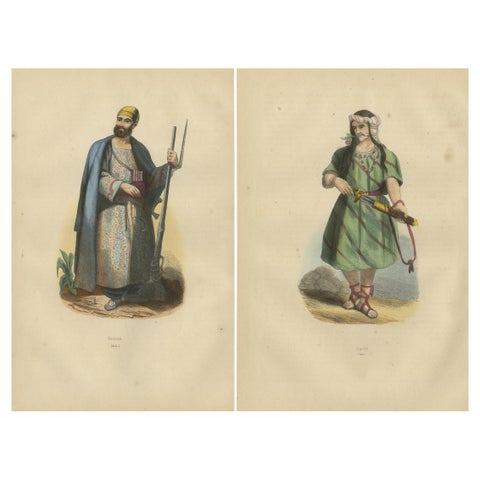
Title:"Circassian and Imeretian Princes in Traditional Attire, 1844 Lithographs"
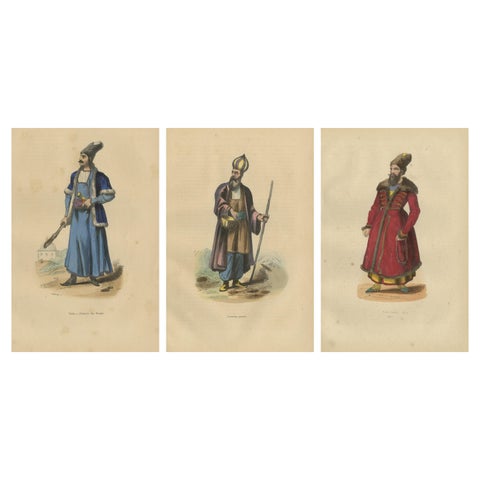
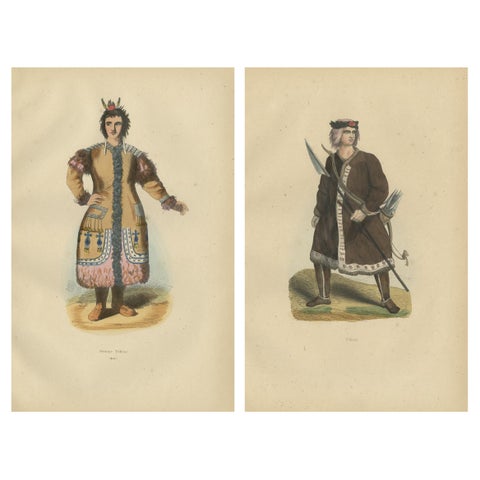
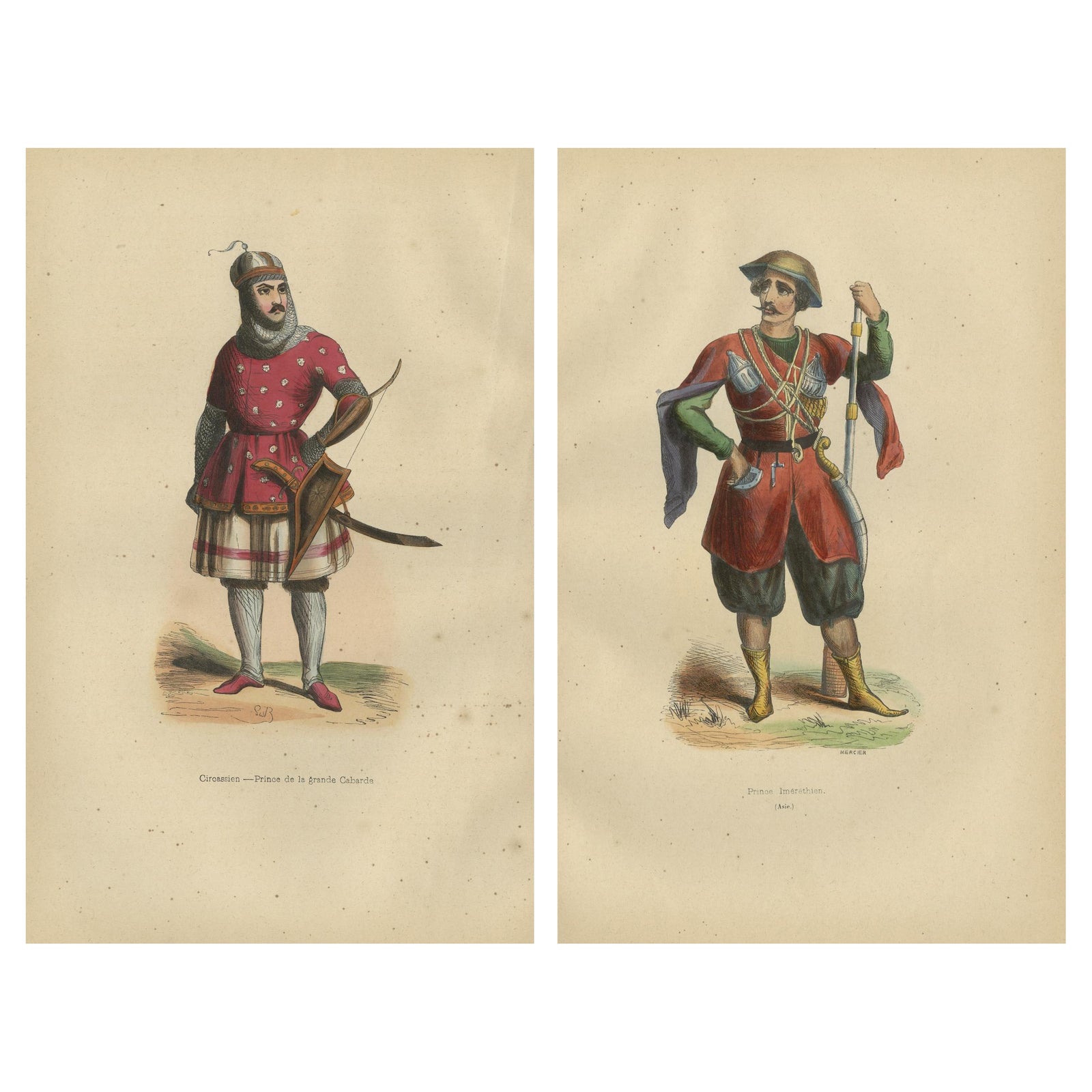
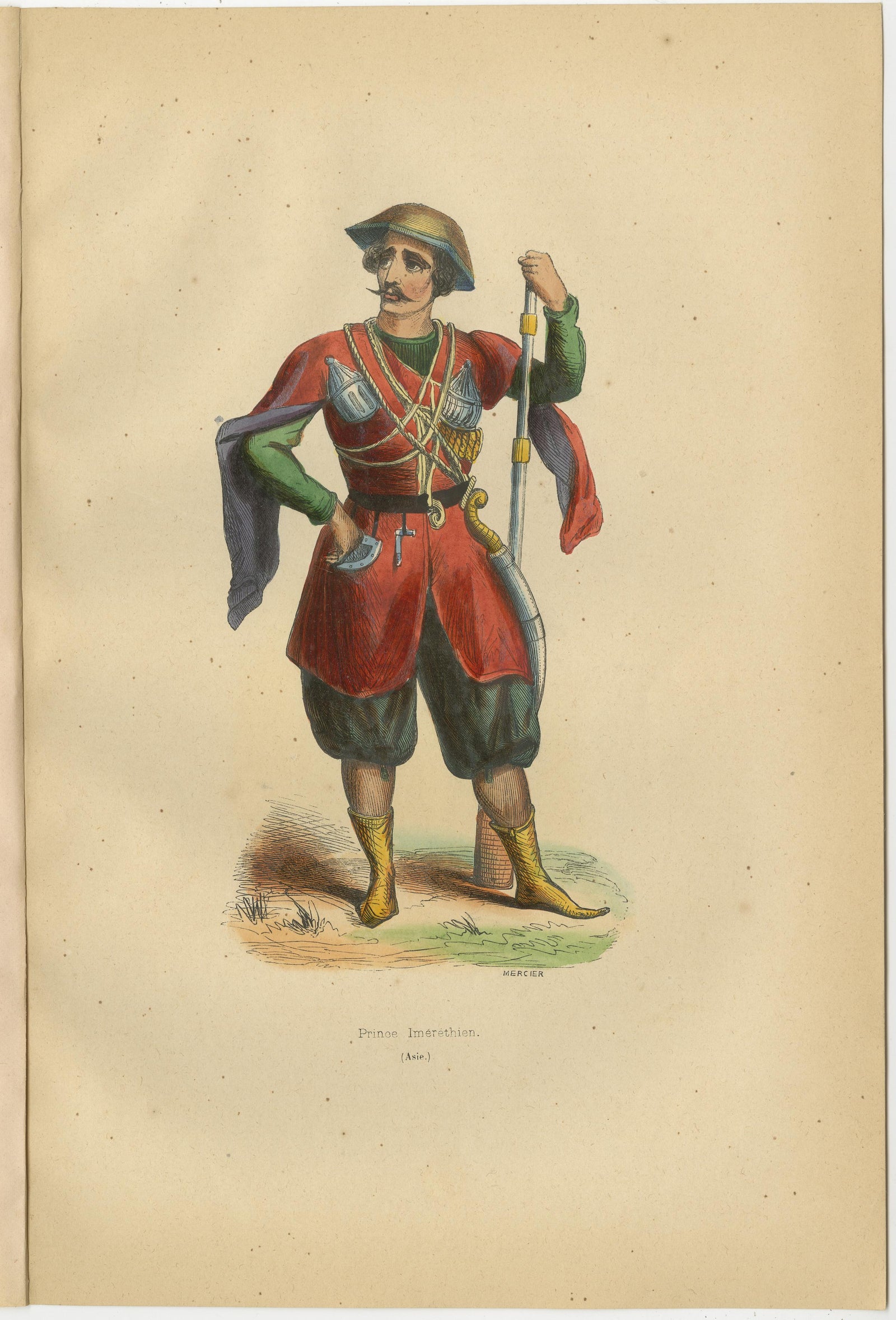
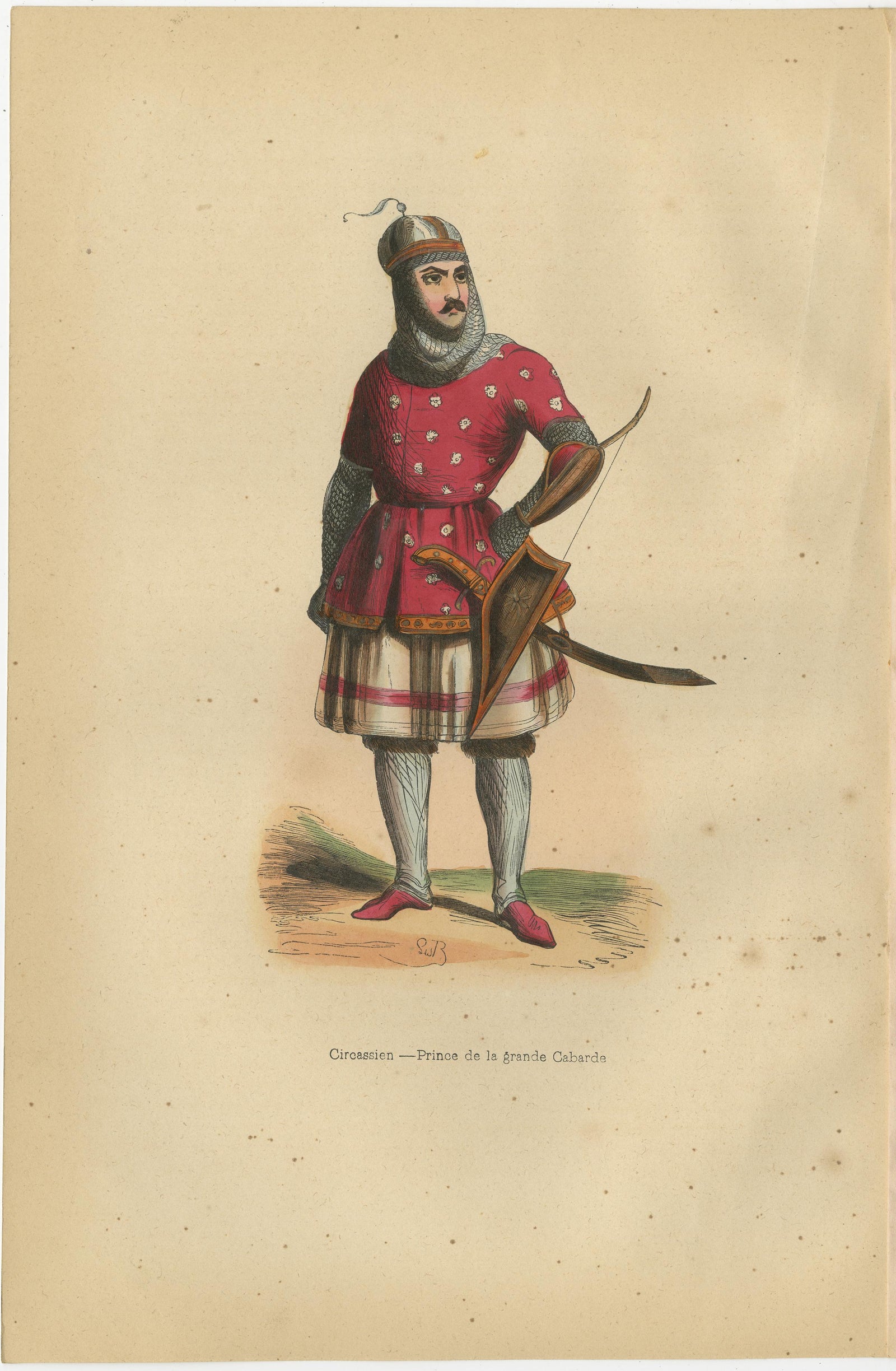
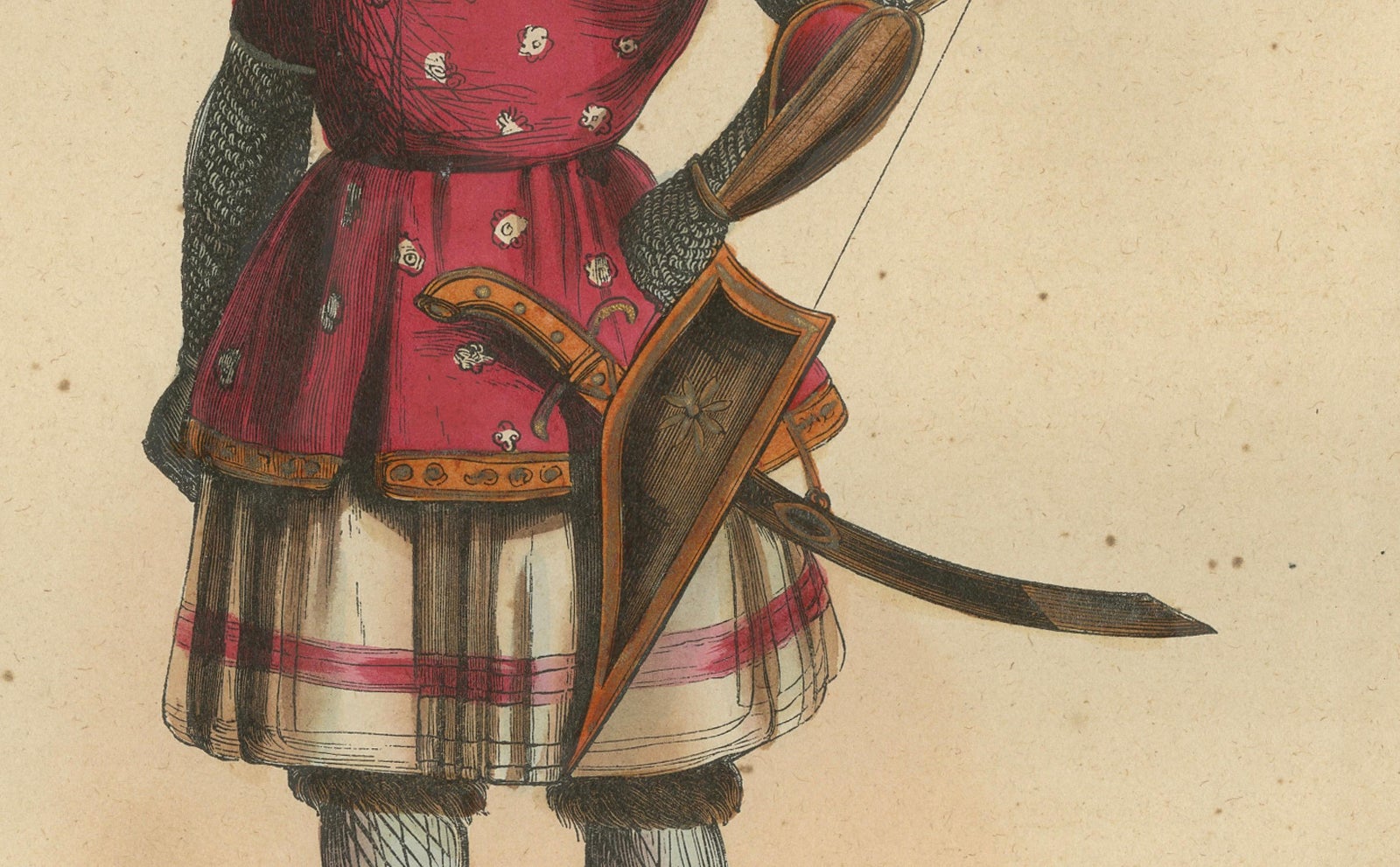
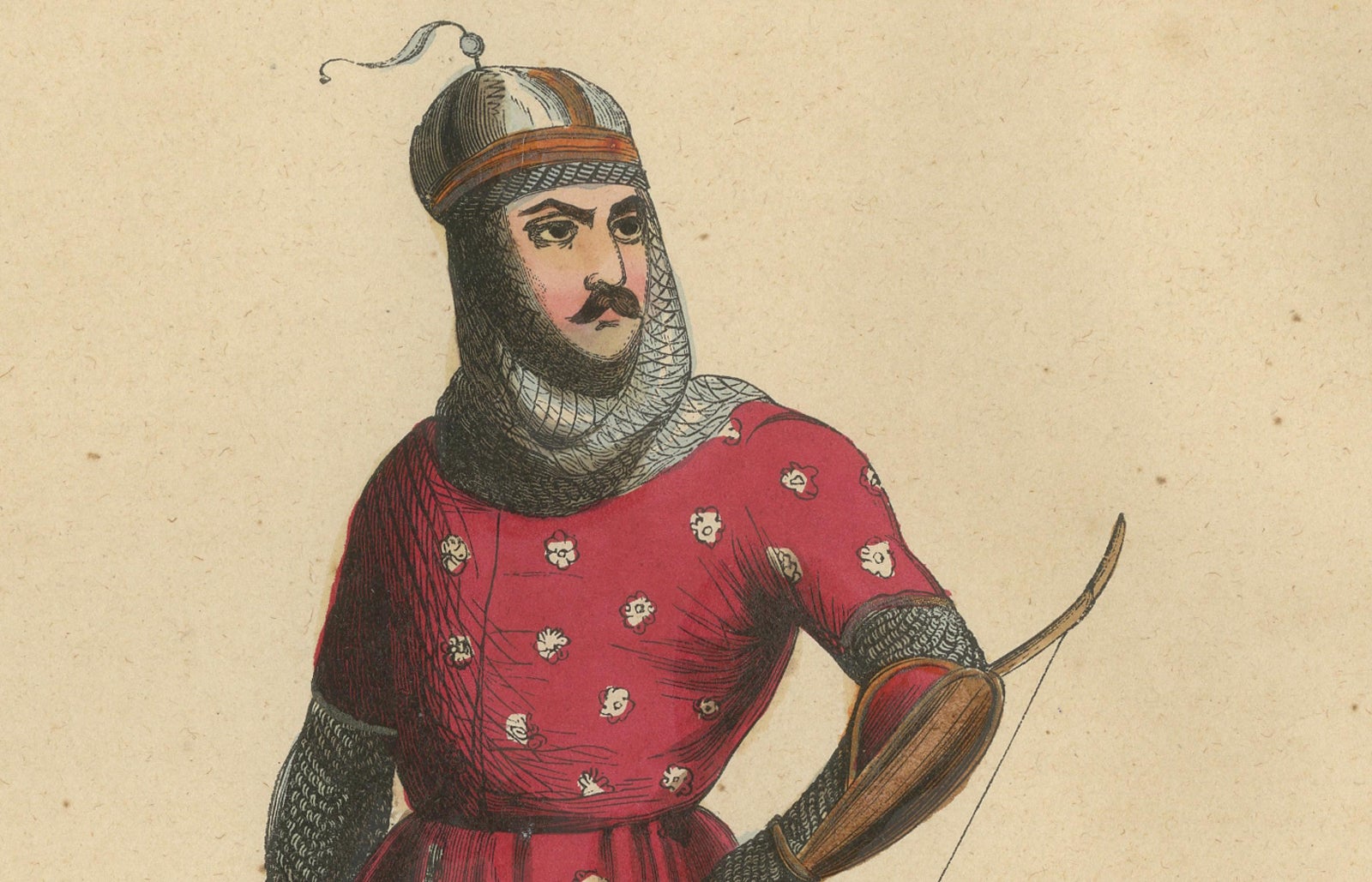
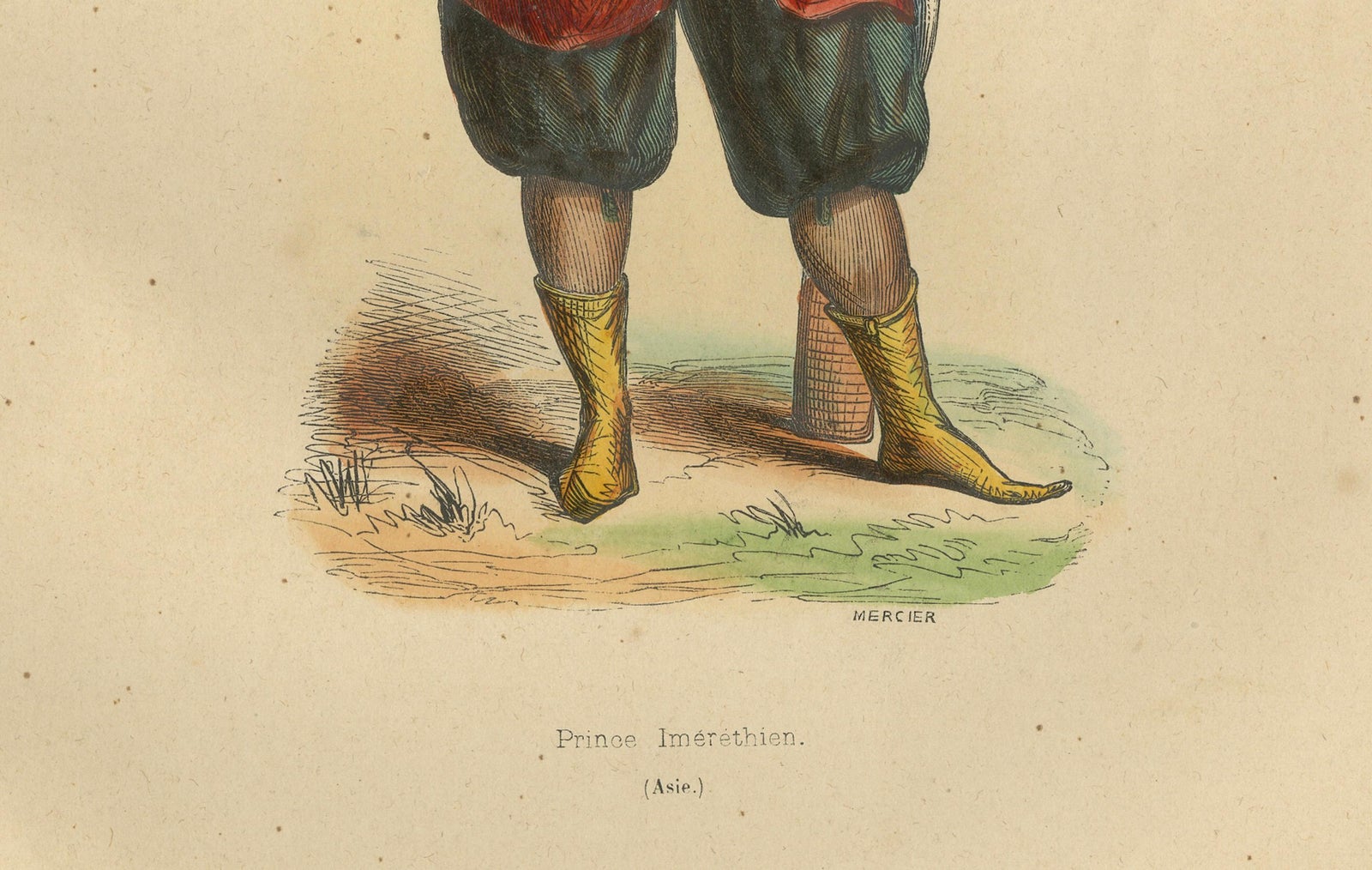
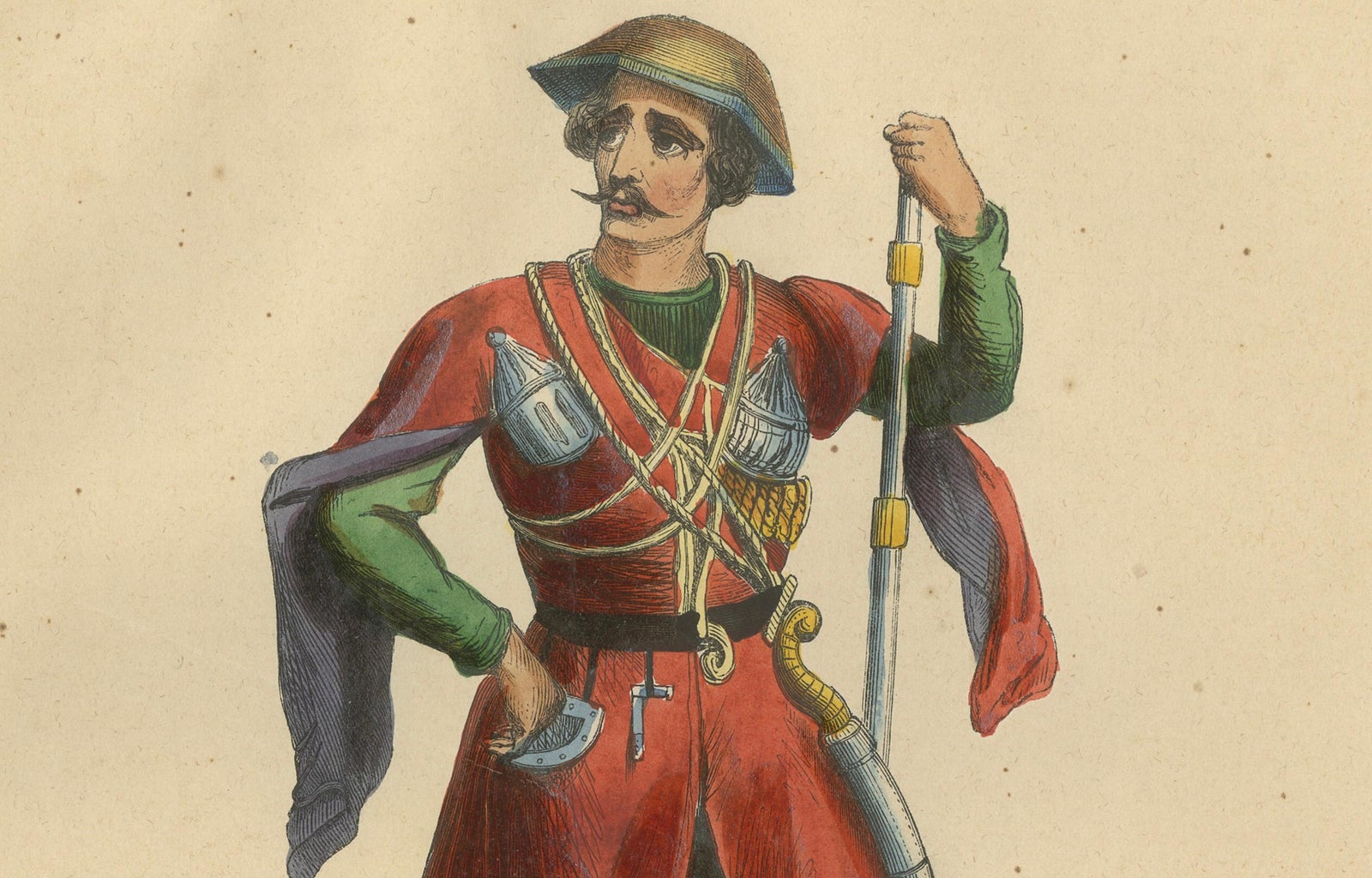
This horizontal compilation features two lithographs from Auguste Wahlen's 1844 series, "Moeurs, Usages et Costumes de tous les Peuples de Monde," depicting princes from Circassia and Imeretia in traditional attire.
These prints, made using handcolored lithography, highlight the distinctive cultural dress and accessories of these regions in Asia.
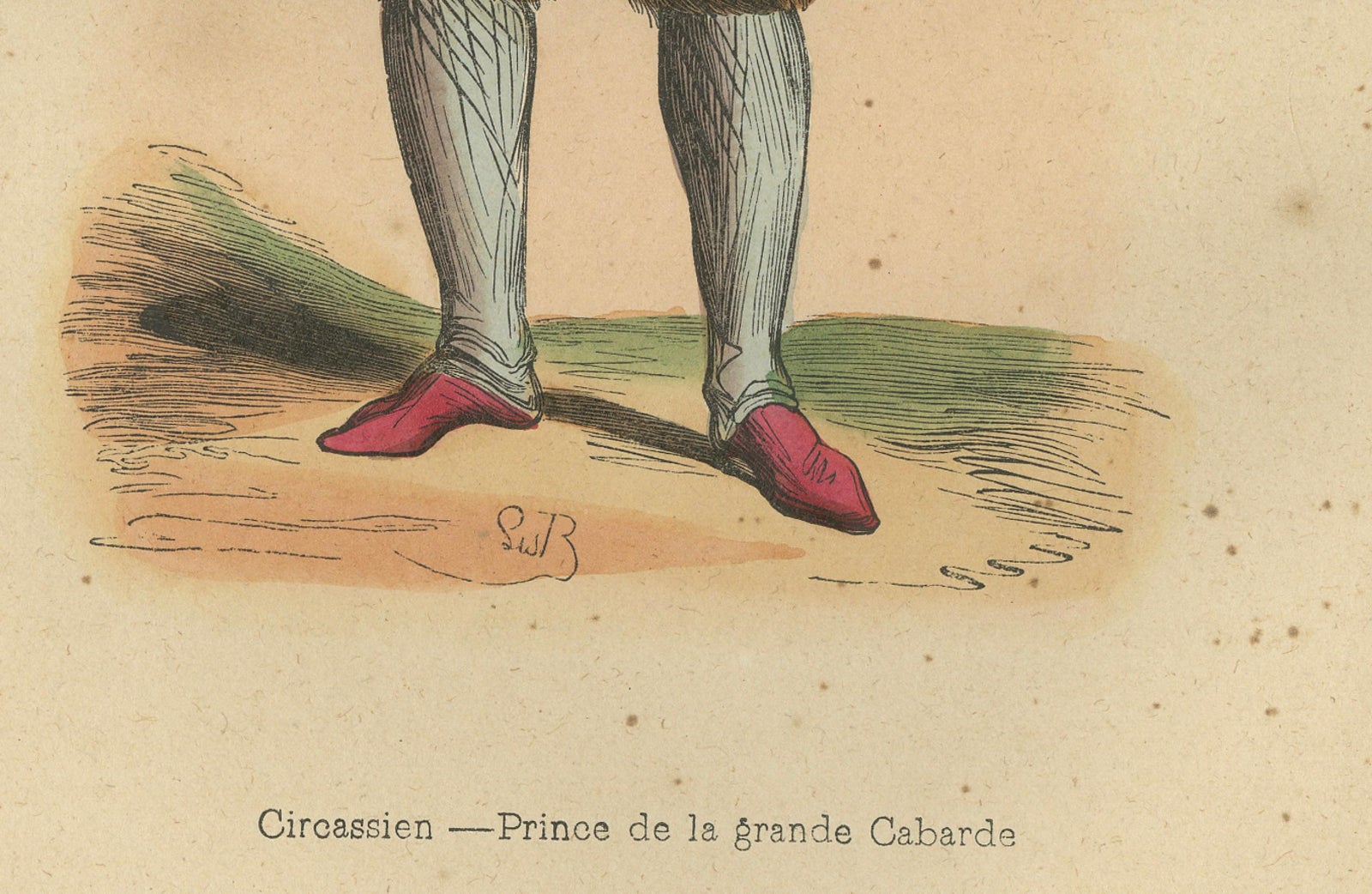
The Circassian prince is adorned in a decorative military-style outfit, complete with armor and a bow, symbolizing his warrior status. The Imeretian prince's attire is similarly martial but incorporates more vivid colors and a less formal style, reflecting the different ceremonial and functional aspects of his region's attire.
The attractiveness of these prints lies in their vibrant coloration and meticulous detail, which not only make them visually striking but also serve as valuable historical records of cultural heritage and traditional dress. The technique of handcolored lithography allows for precise detail and rich hues, enhancing the visual impact and historical authenticity of each figure.