Close-ups
Framed and on the wall
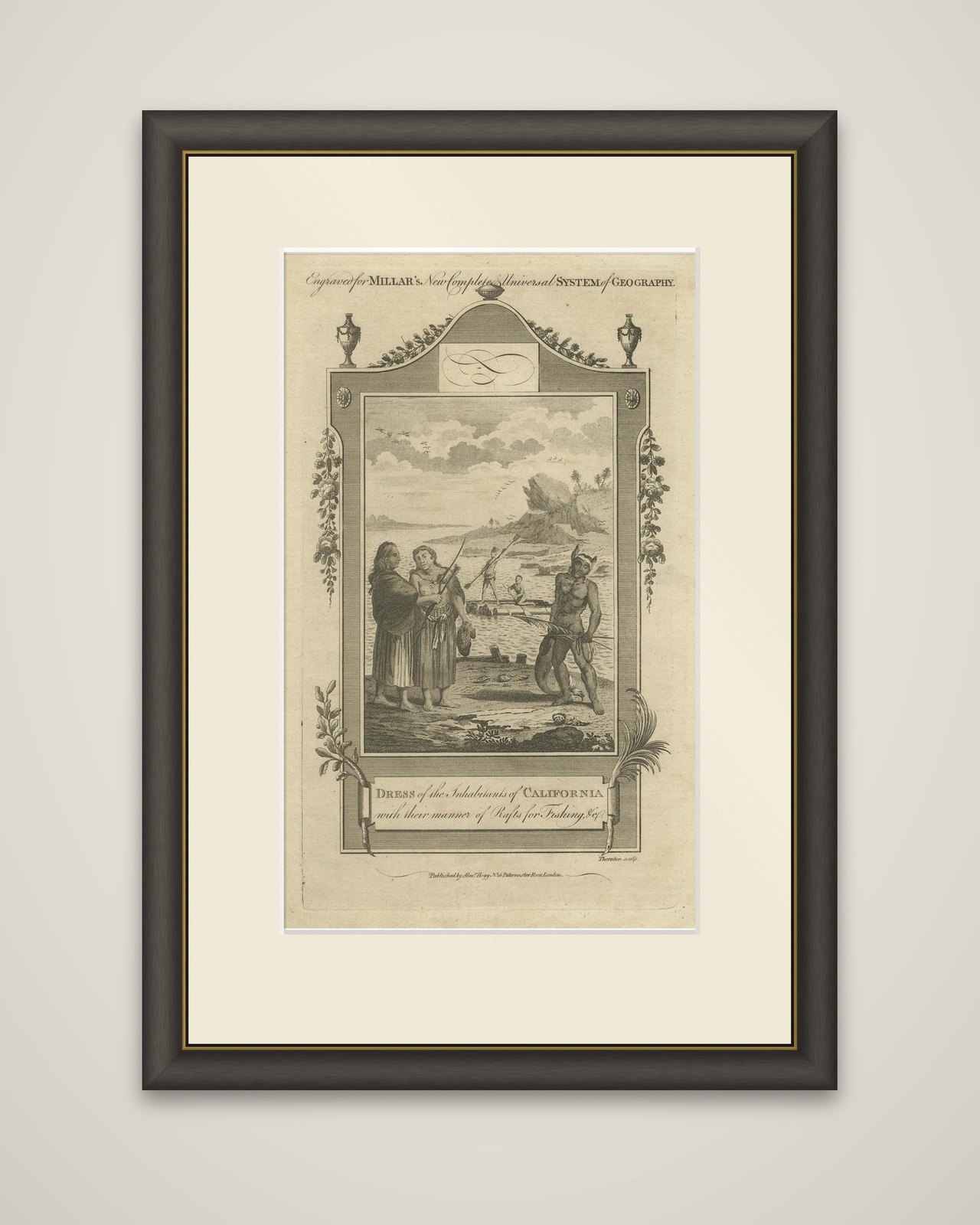

Frame and rooms are illustrations of how the print could look; the description says what is included.
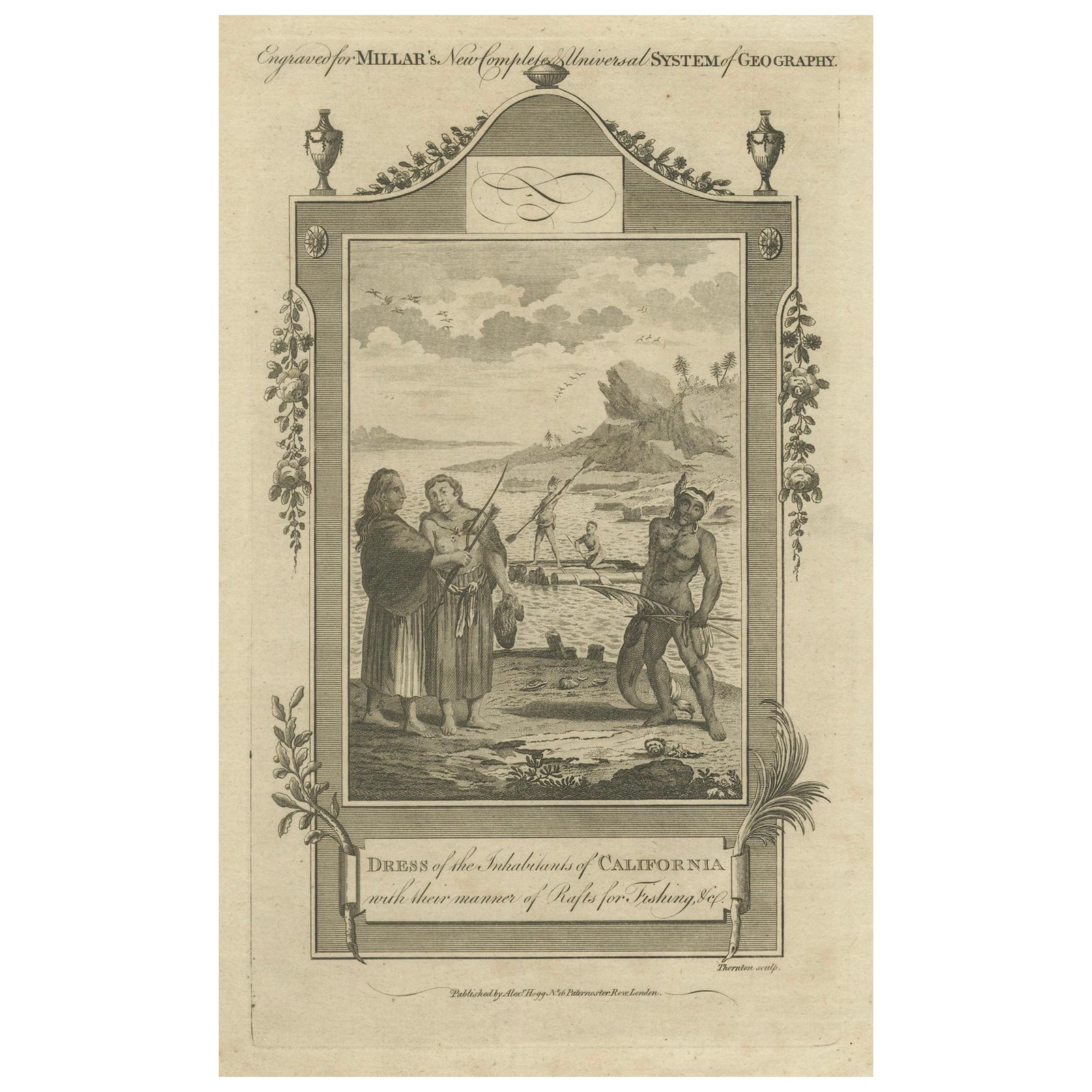
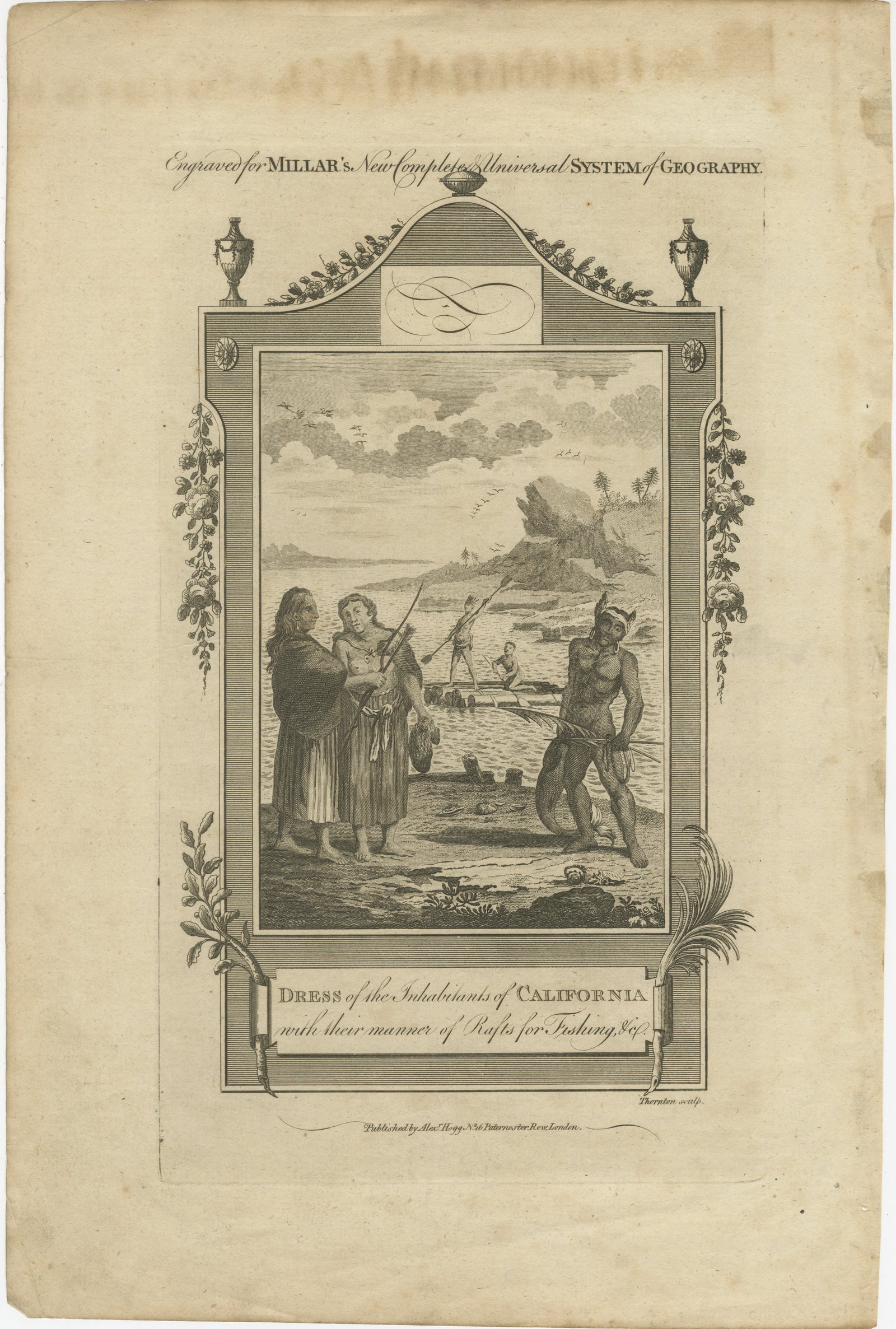
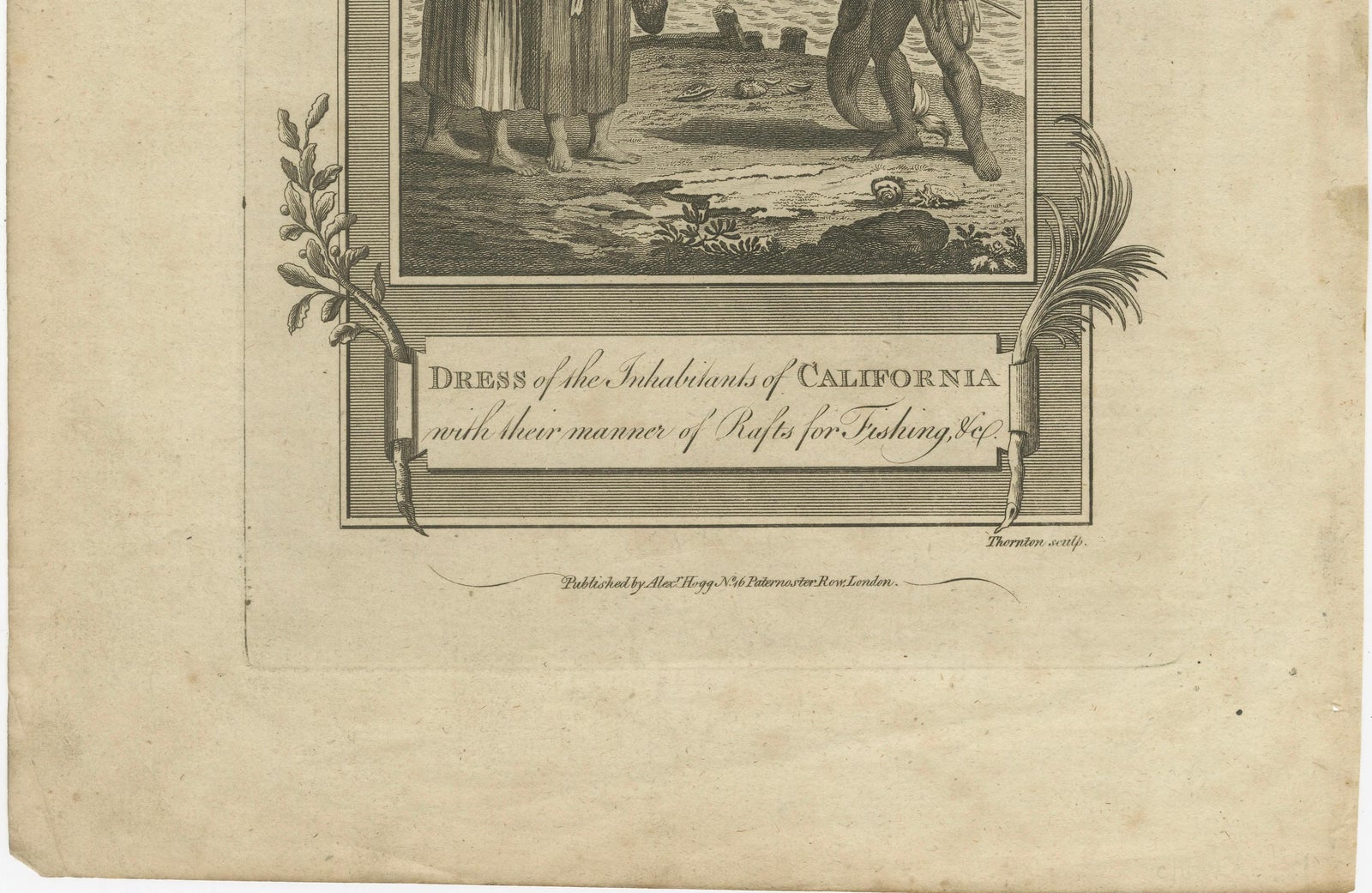
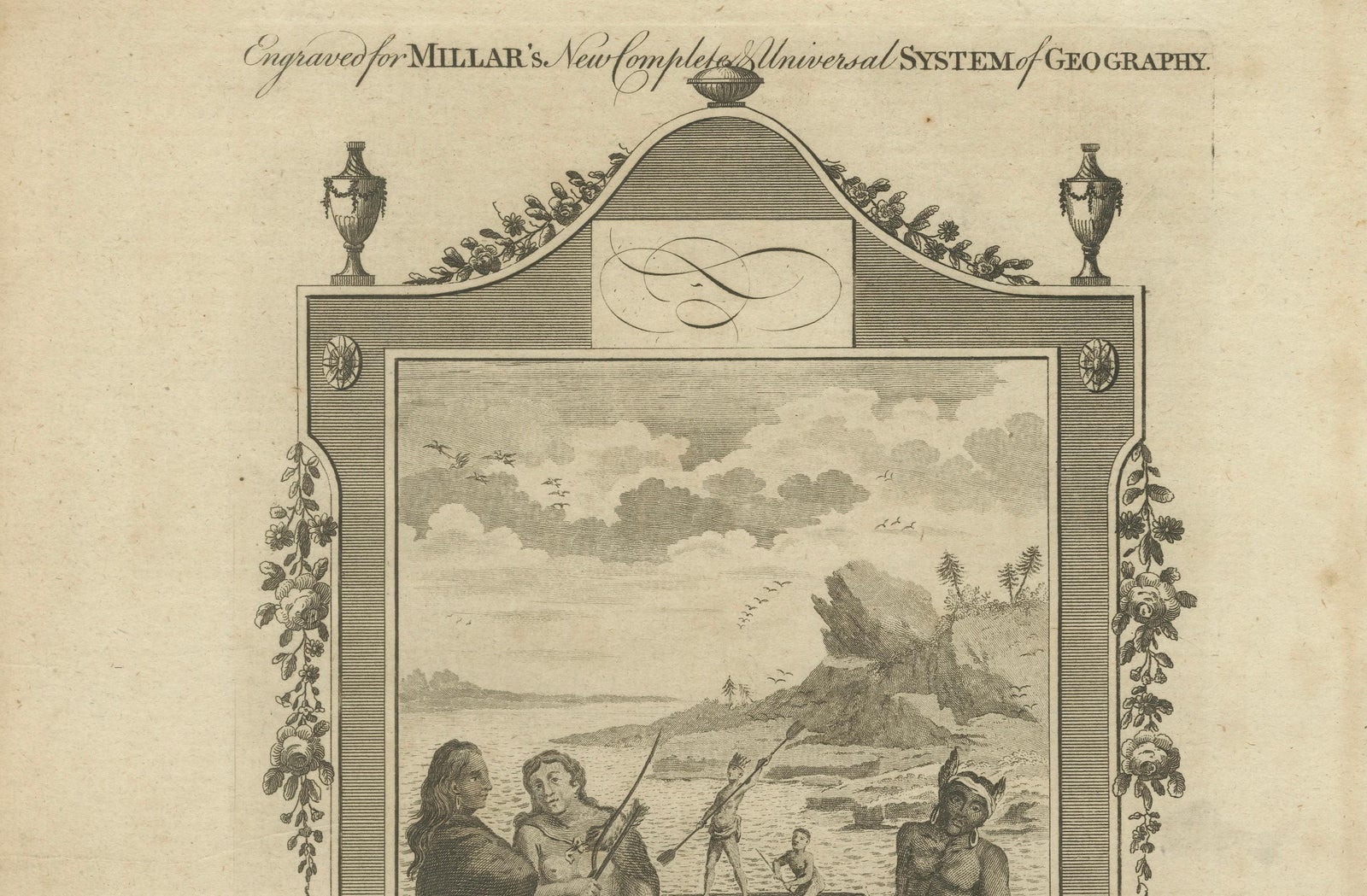
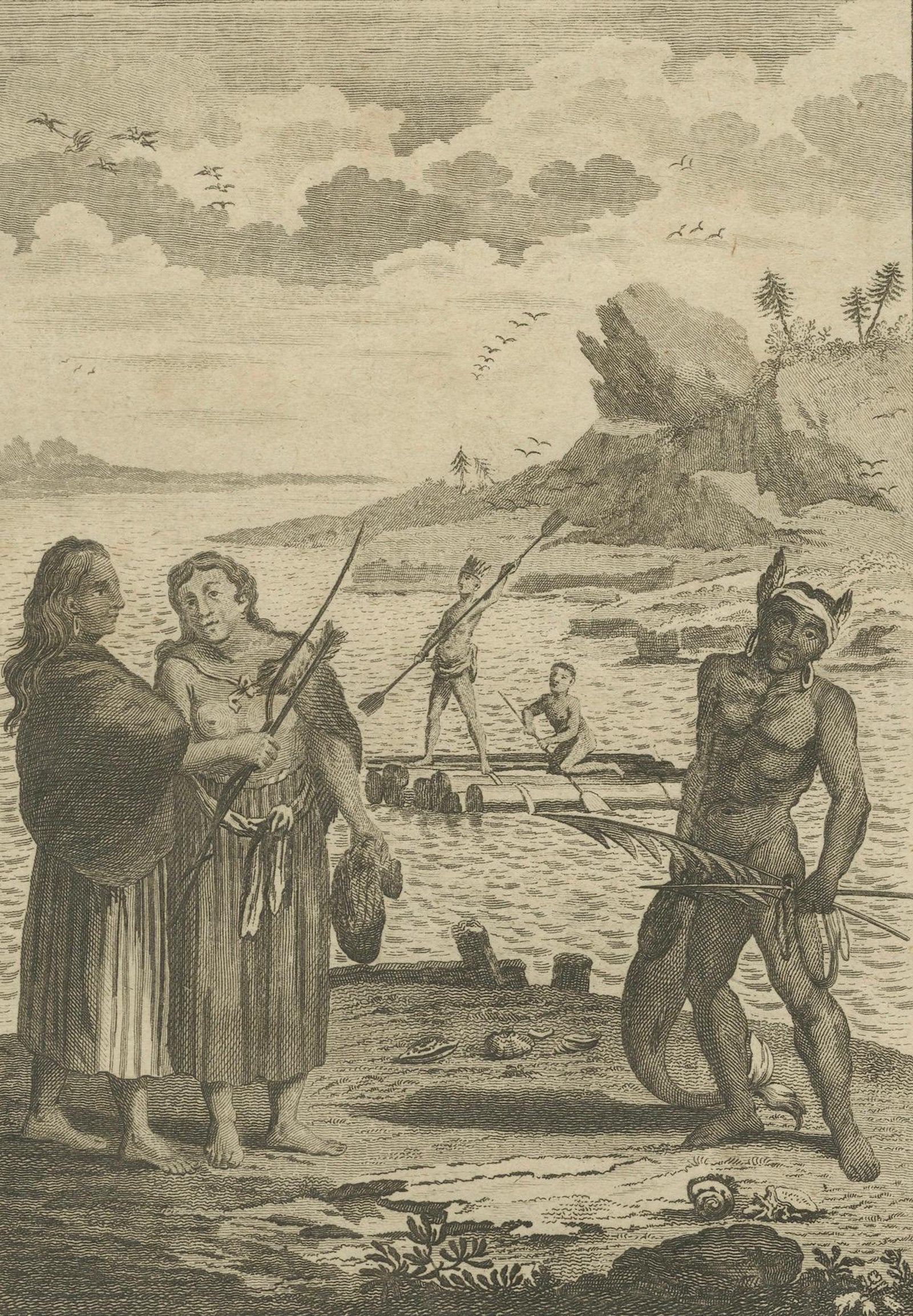
California Indigenous Dress & Fishing Rafts, Early Ethnographic Engraving 1754
£200£14030% off
$185 · €168
Original print, not a reproduction.
Ships worldwide from the Netherlands, flat or rolled, insured and tracked. 14-day returns.
- Date
- 1754
- Sheet size
- 14.5 × 9.7 in (36.8 × 24.6 cm)
- Condition
- Fair. Fair to good antique condition. The paper shows general age-related toning and scattered spotting. There is visible staining and discoloration in the upper margin and along parts of the sheet, as well as light surface wear.
- Wardrobe
- Far & away
- Era
- 1700s, Rococo
- Stock no.
- BG-14129-32
What the condition grades mean
- Excellent
- Bright and clean, with no faults worth mentioning.
- Very good
- Only light signs of age, such as faint toning.
- Good
- Normal signs of age for a sheet of this period: toning, some foxing, small marks or neat old repairs.
- Fair
- Clear faults such as staining, tears or repairs, priced to match.
Every fault we see is written in the condition note, and the whole sheet is shown uncropped in the photos.
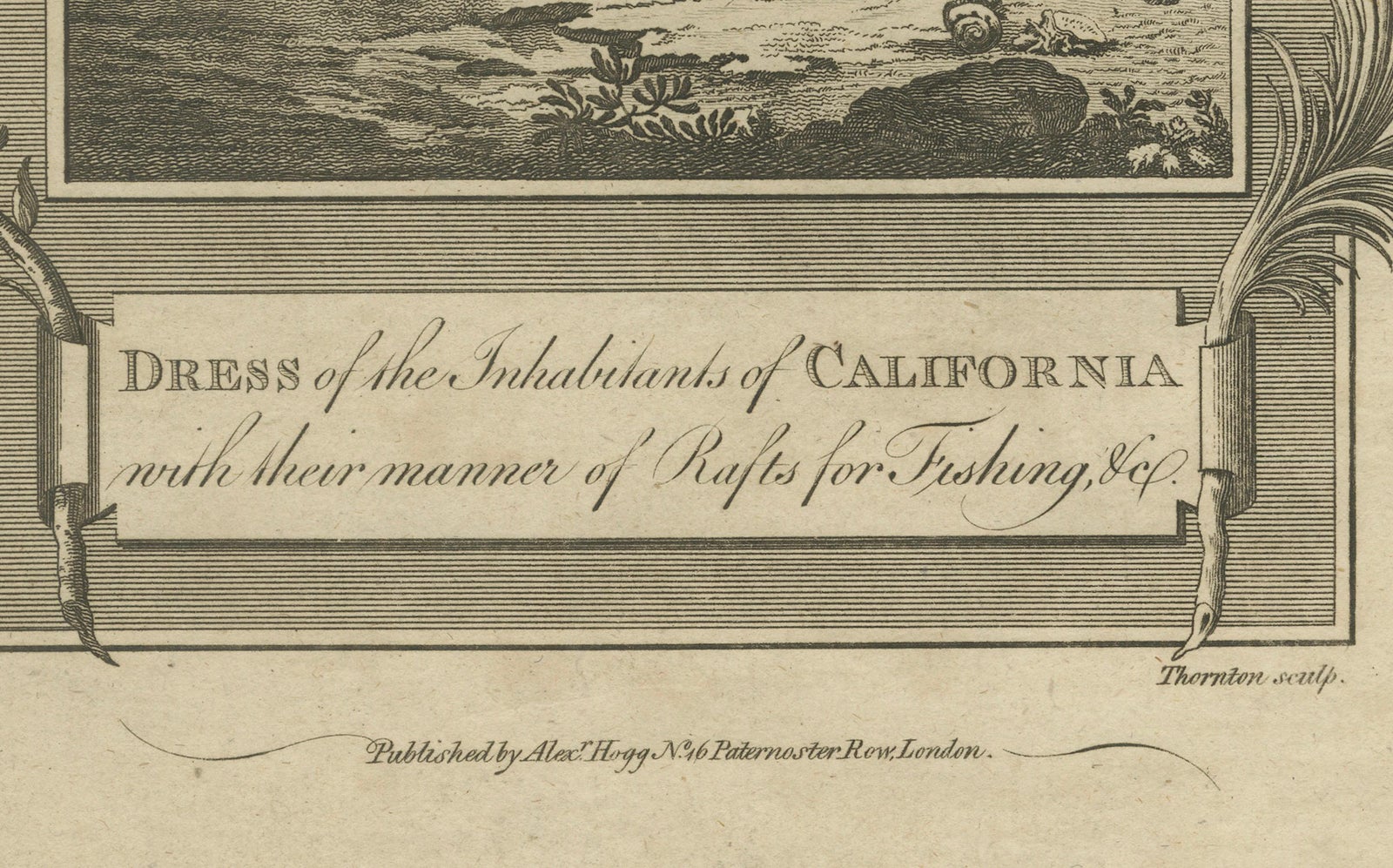
California dress and fishing methods in a single copper engraving, engraved for Millar's New Complete and Universal System of Geography, signed "Thornton sculp." and published in London by Alexander Hogg, No. 16 Paternoster Row. The plate title reads "Dress of the Inhabitants of California with their manner of Rafts for Fishing, &c."
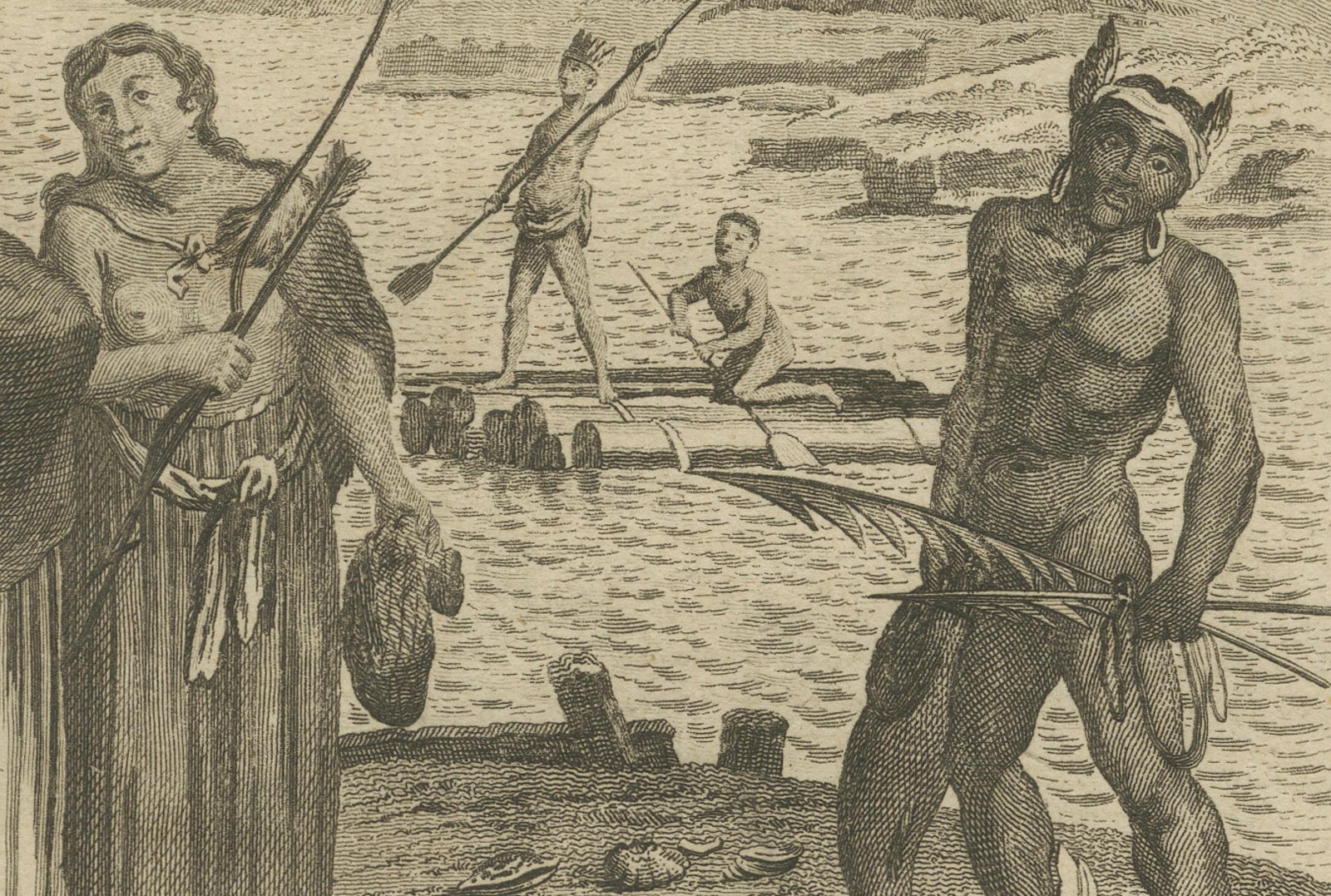
The view sits inside an ornamental frame of floral swags and urns, with an empty scroll cartouche at the top and the title on a ribbon below. On a rocky shore two figures in long hide cloaks stand together, one holding a bow, while a man at the right wears a feathered headdress and carries a bundle of spears or reeds. Behind them, two men on a raft of lashed logs fish with long poles, and birds cross a sky with a volcanic hill on the horizon.
Millar's geography was a London part-work that mixed maps, views and costume plates for general readers. California was still known mainly through the narratives of early voyagers, and the scene should be read as a European composition of the period.