Close-ups
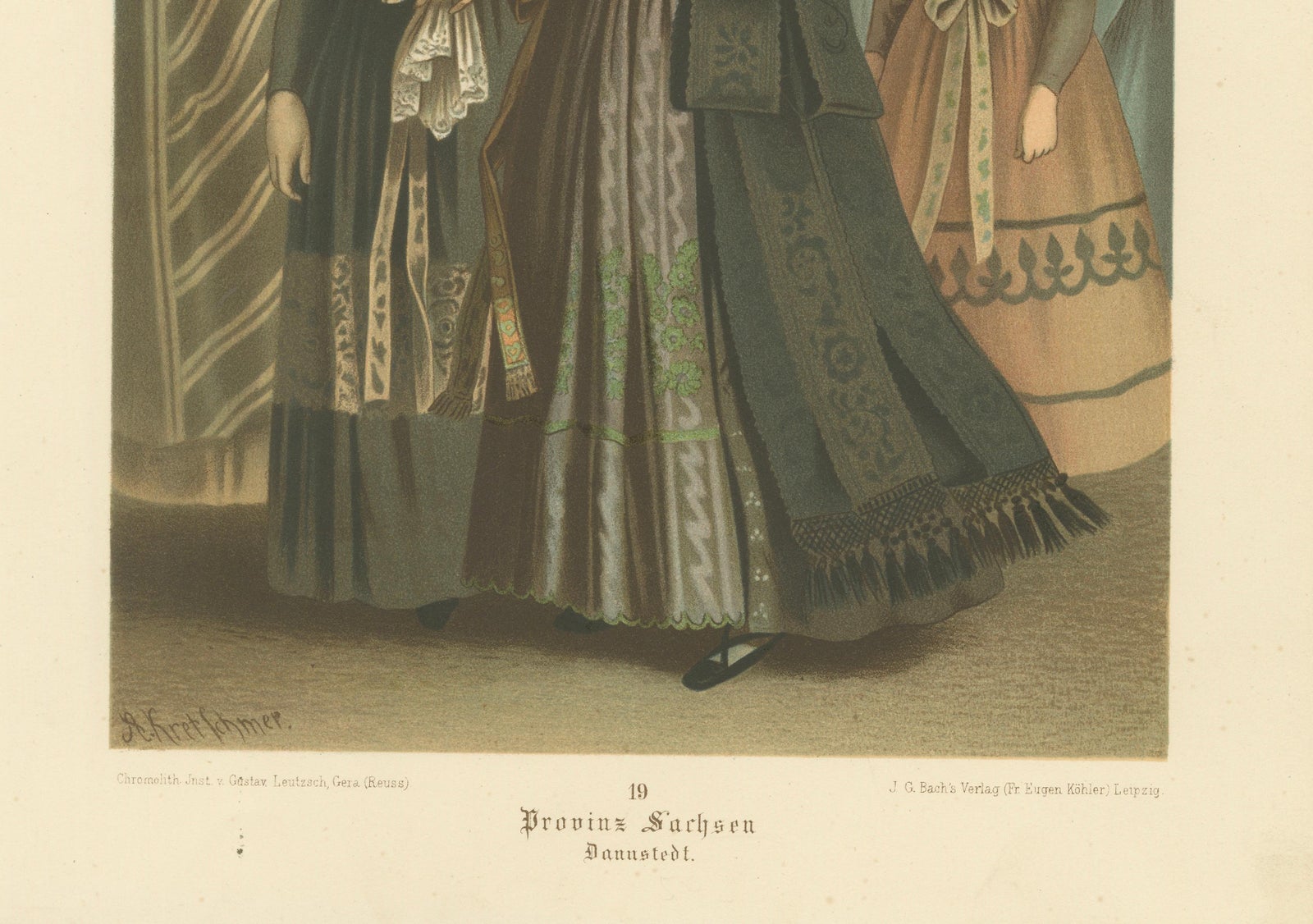
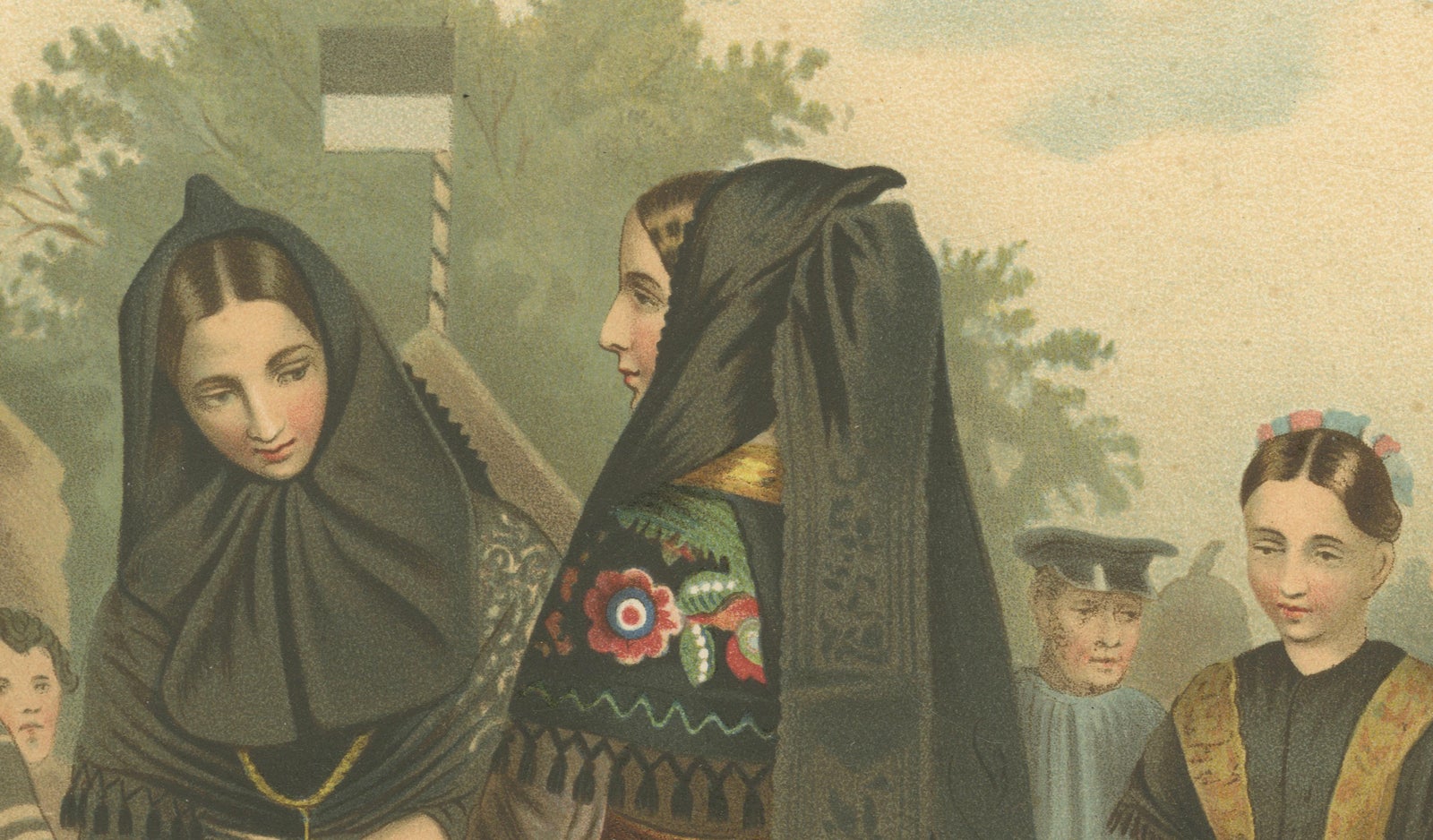
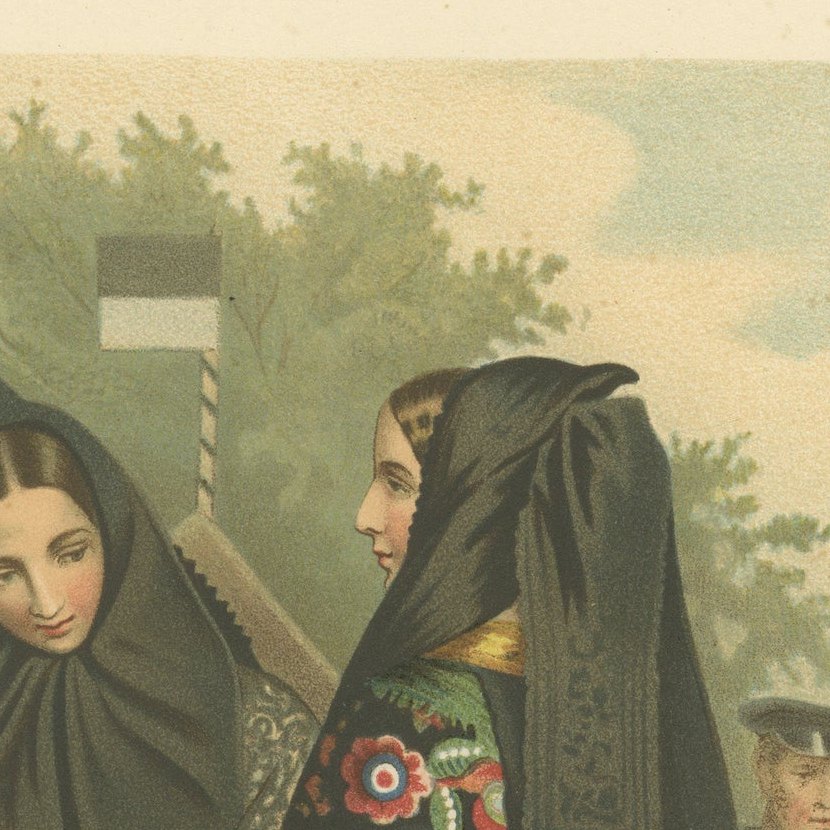
Framed and on the wall
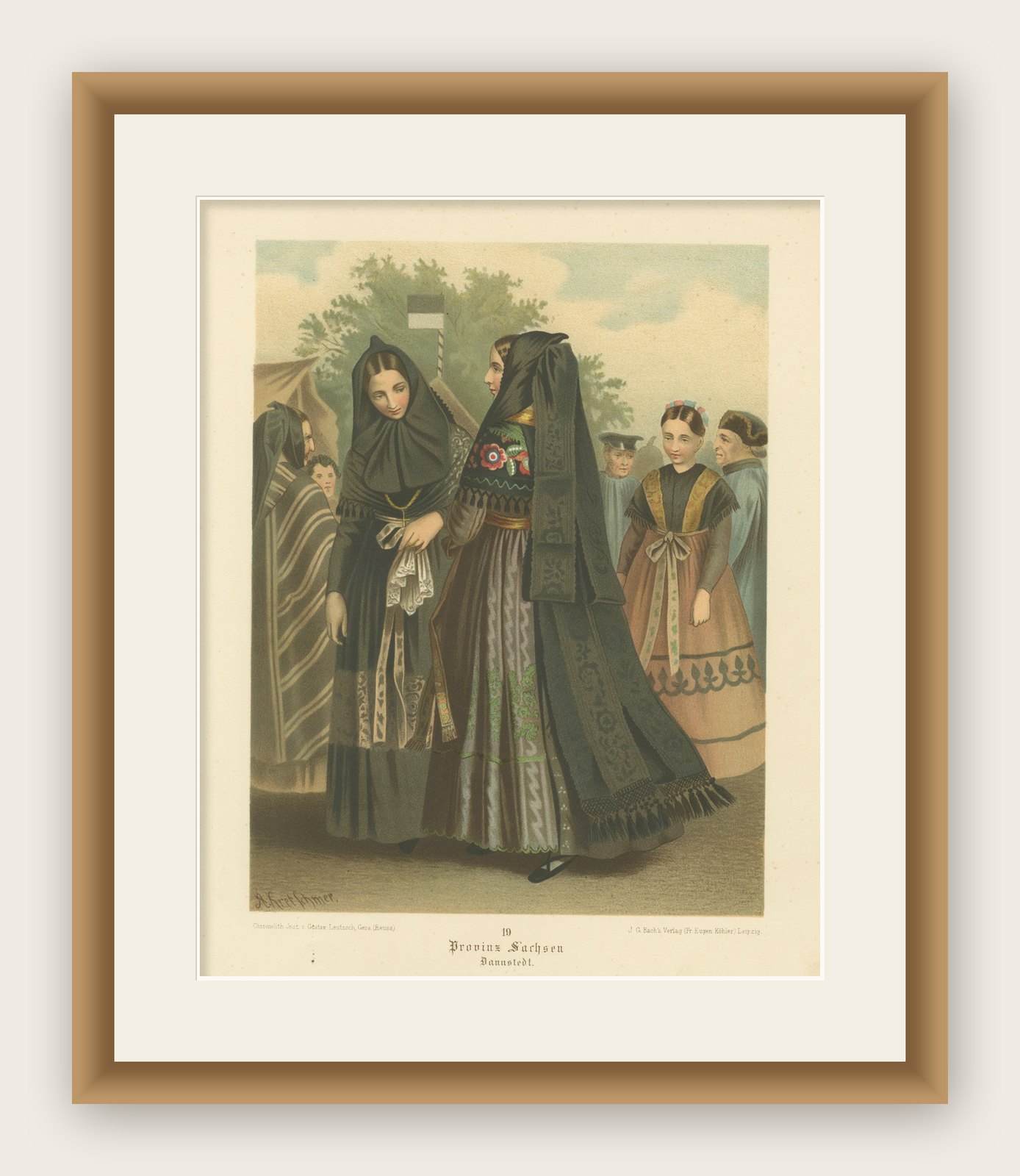
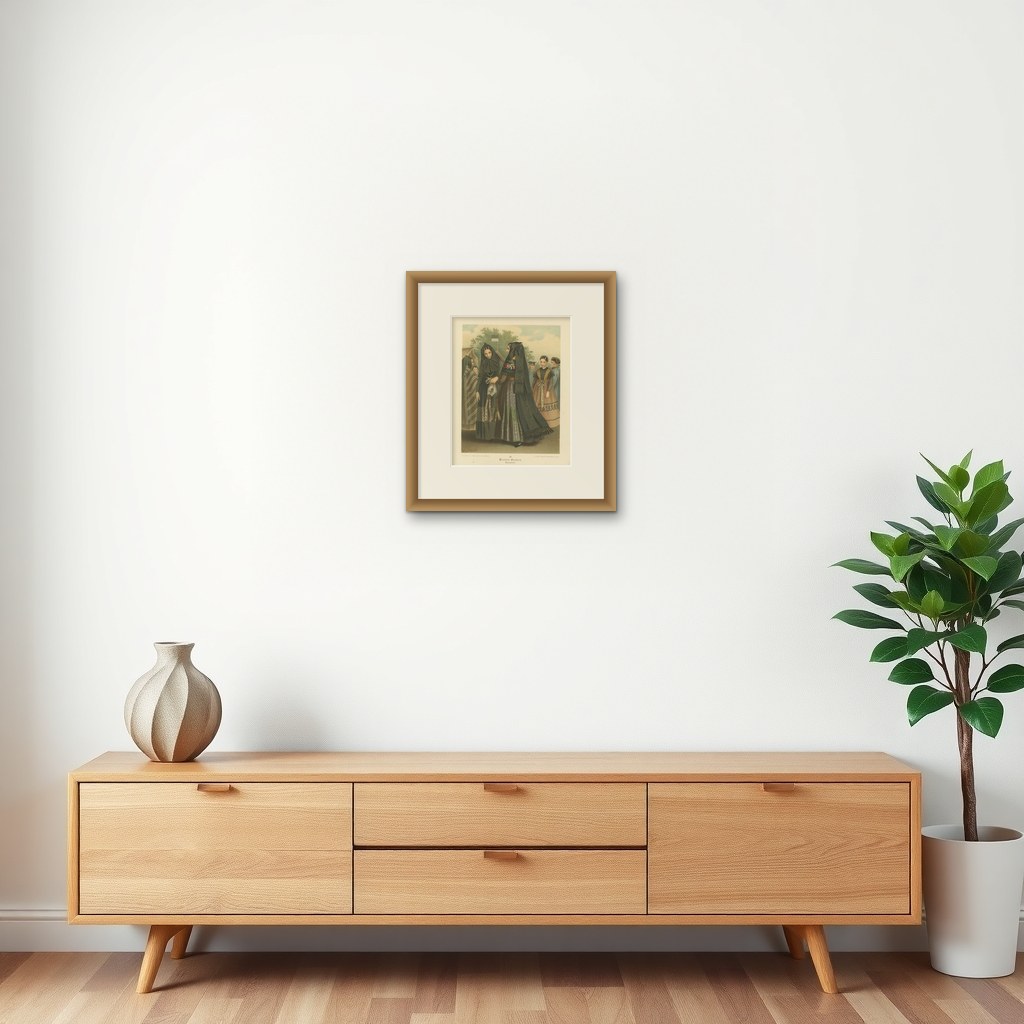

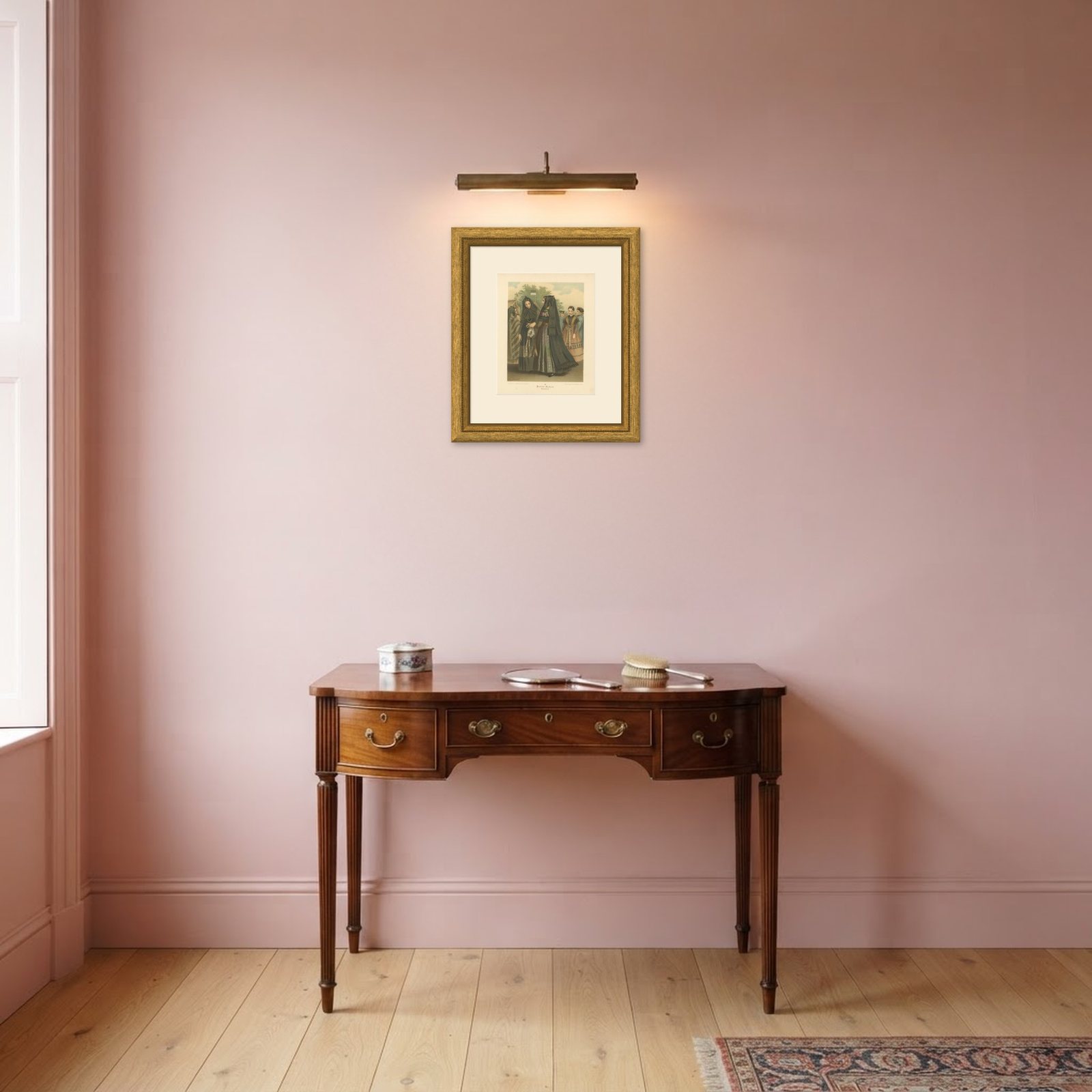
Frame and rooms are illustrations of how the print could look; the description says what is included.
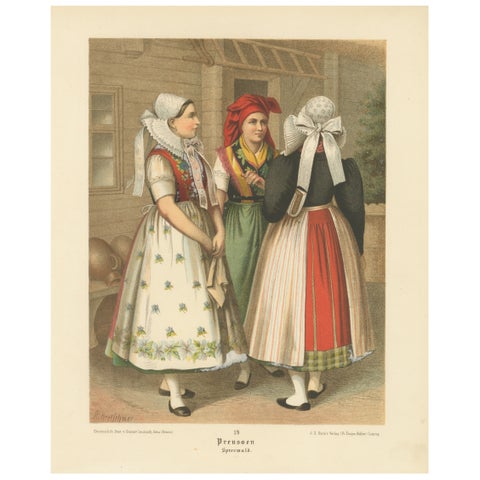
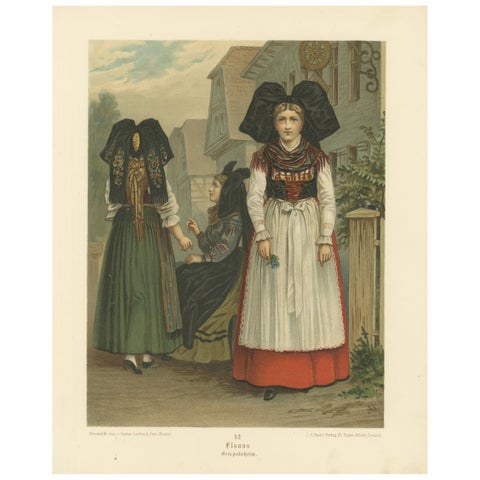
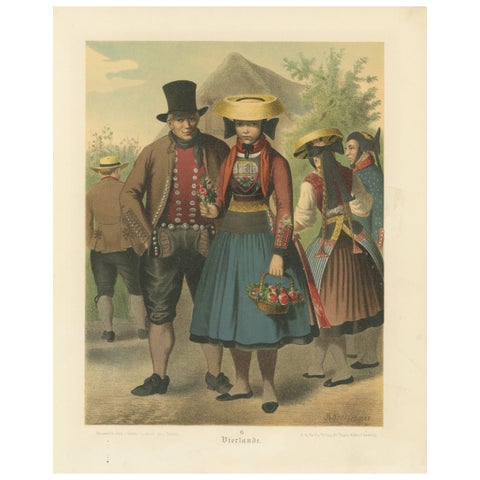
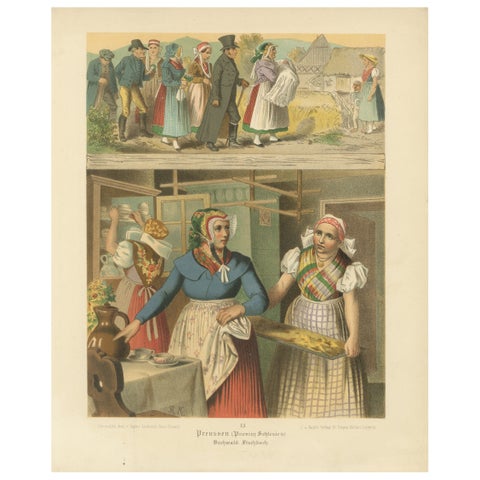
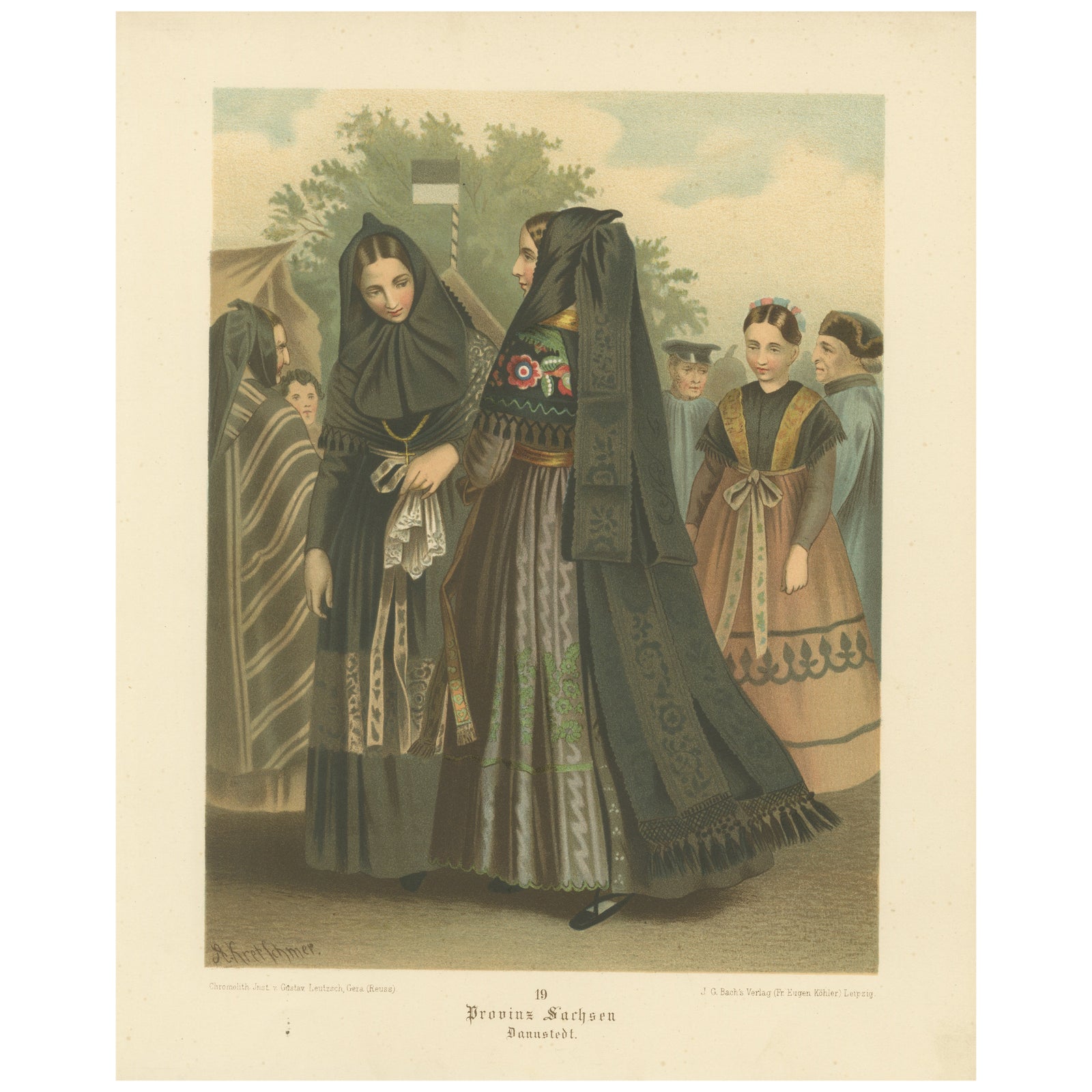
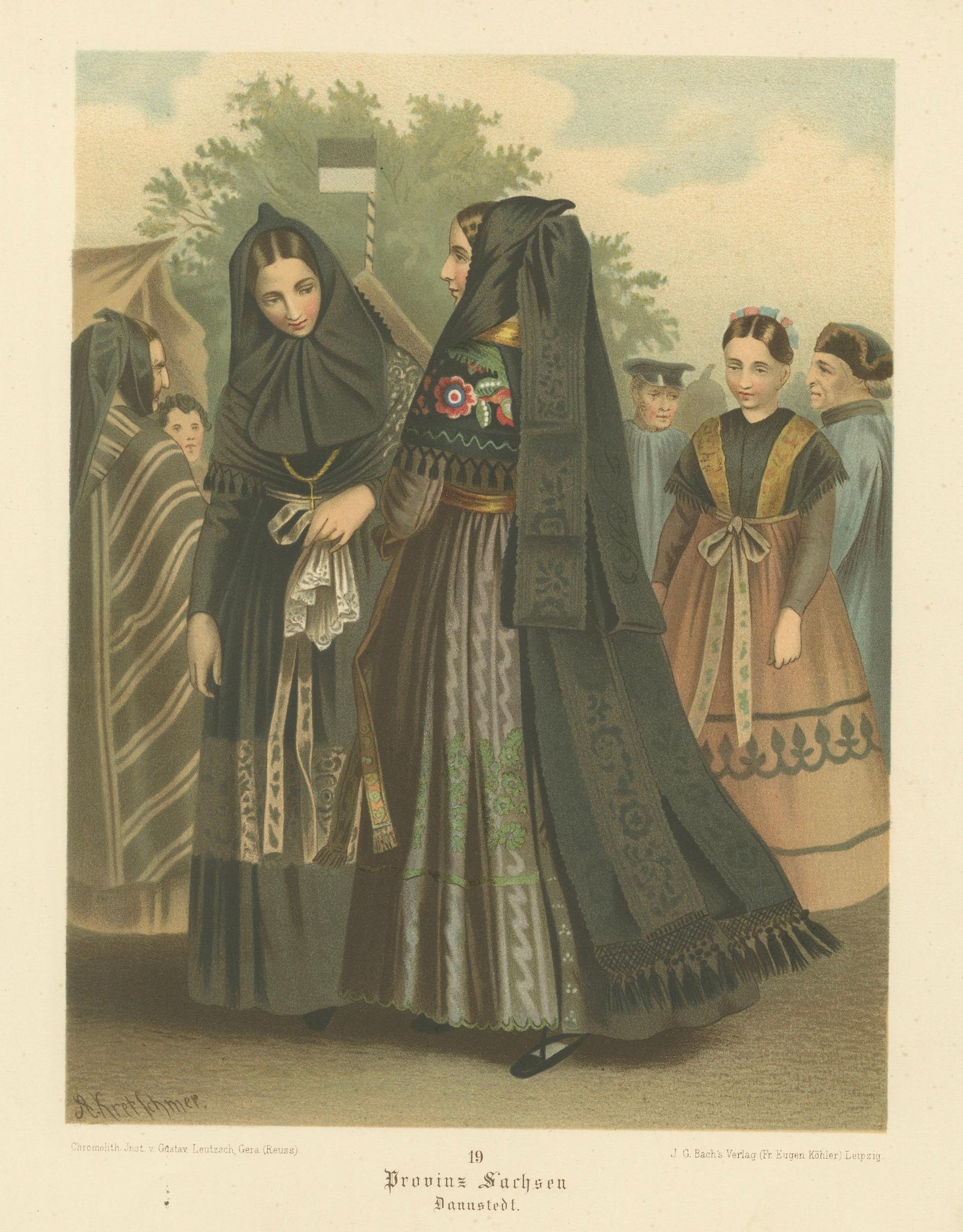
Annaberg Traditional Costume, Dannstedt, Province of Saxony, c.1875
$240$17030% off
€154 · £130
Original print, not a reproduction.
Ships worldwide from the Netherlands, flat or rolled, insured and tracked. 14-day returns.
- Date
- 1875
- Sheet size
- 12.4 × 10 in (31.5 × 25.5 cm)
- Condition
- Good. Good condition. Light foxing and age toning mostly confined to margins, colors stable and unfaded.
- Wardrobe
- Folk finery
- Era
- 1870 to 1900, Bustle
- Stock no.
- BG-14222-25
What the condition grades mean
- Excellent
- Bright and clean, with no faults worth mentioning.
- Very good
- Only light signs of age, such as faint toning.
- Good
- Normal signs of age for a sheet of this period: toning, some foxing, small marks or neat old repairs.
- Fair
- Clear faults such as staining, tears or repairs, priced to match.
Every fault we see is written in the condition note, and the whole sheet is shown uncropped in the photos.
Annaberg Traditional Costume, Province of Saxony, c.1875
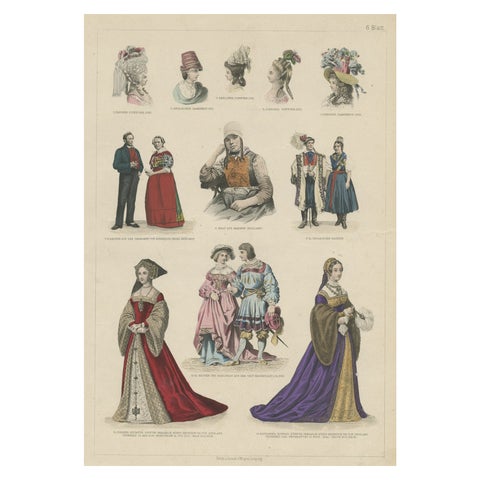
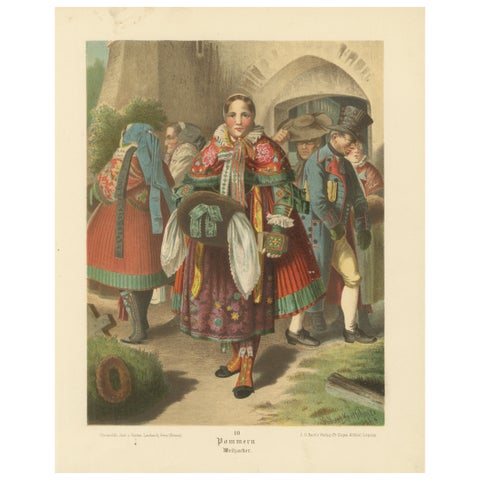
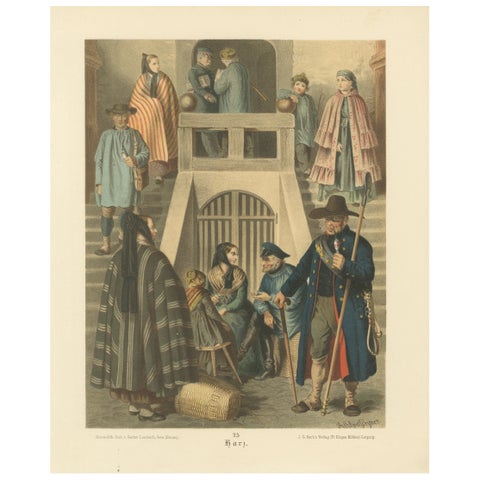
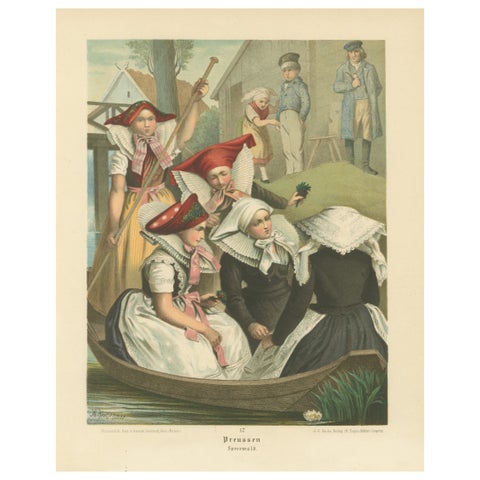
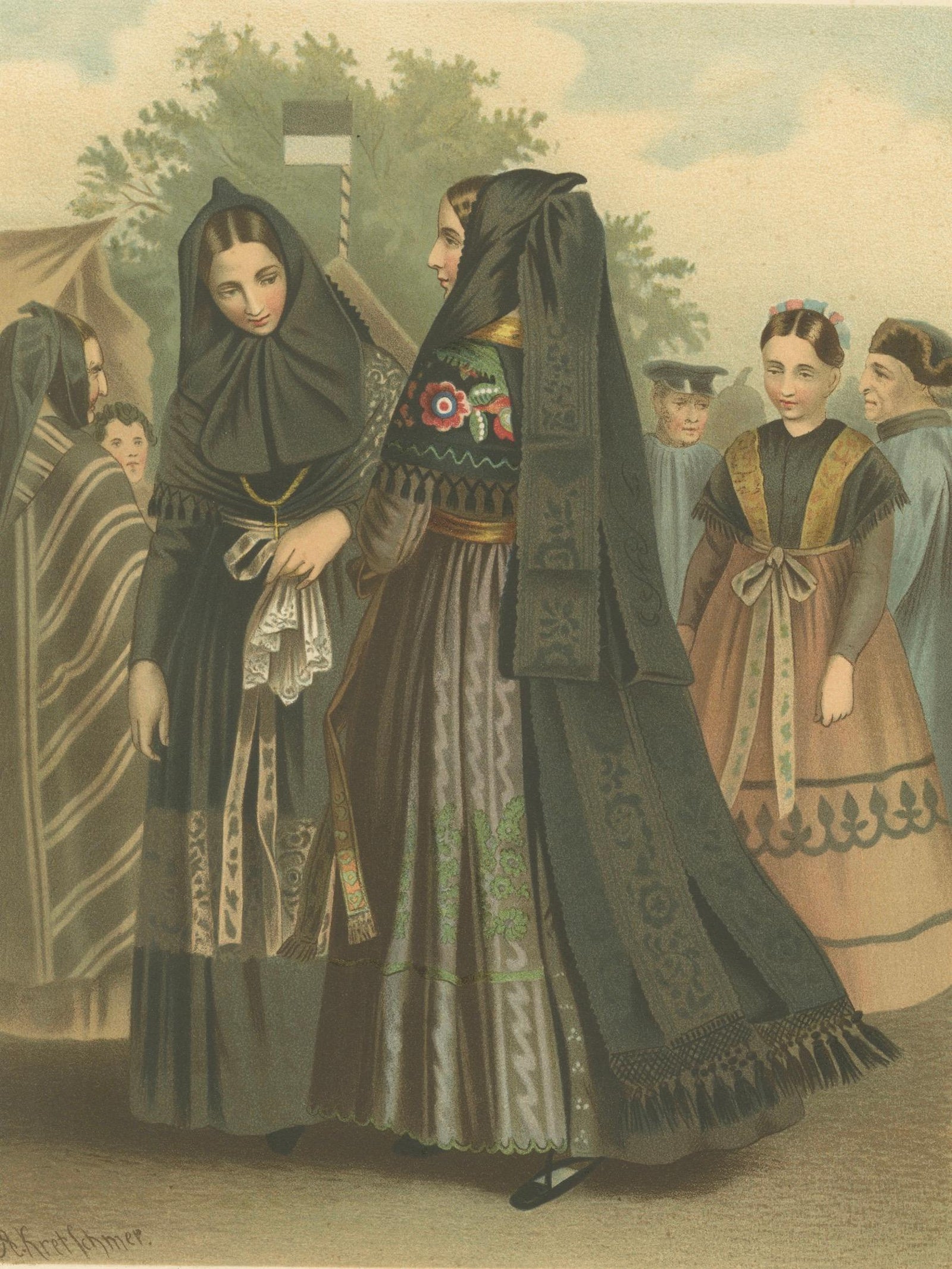
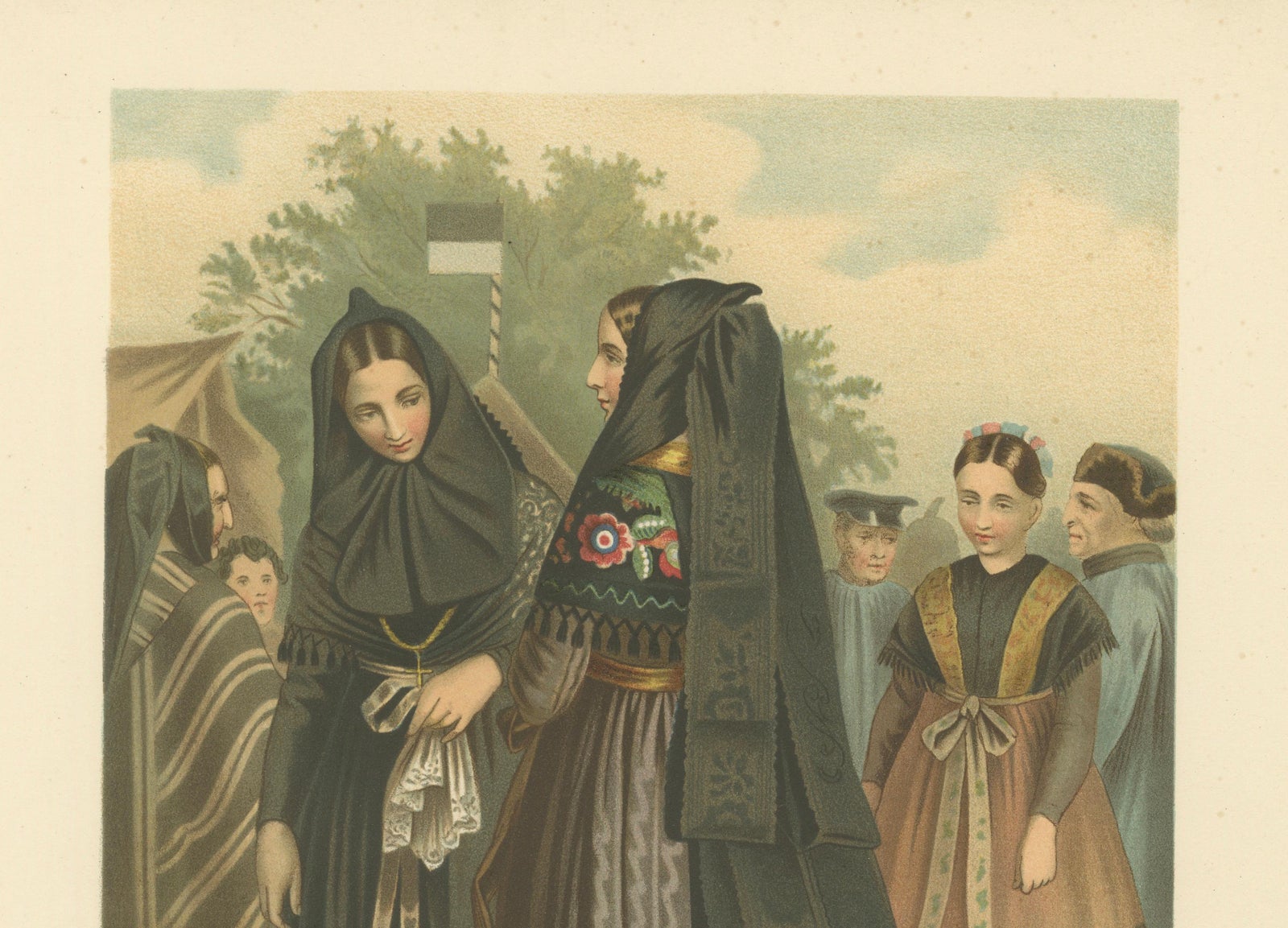
This chromolithograph depicts women wearing traditional costume from Annaberg (Danstedt) in the Province of Saxony, located in the Erzgebirge or Ore Mountains. The garments are characterized by dark shawls, finely tailored bodices, decorative aprons, and carefully arranged headwear, reflecting the restrained elegance of the region.
Annaberg was an important mining and cultural center, and its local dress traditions developed distinct forms tied to social status and regional identity. Kretschmer’s rendering captures both the silhouette and textile detail with clarity and restraint.
Produced in the mid-1870s and published by J. G. Bach in Leipzig, this plate forms part of a comprehensive visual survey of European regional costume. Its balanced composition and subdued palette make it especially attractive for collectors and refined interior settings.
Good condition. Light foxing and age toning mostly confined to margins, colors stable and unfaded.
FRAMING AND MATTING SUGGESTIONS:
Black or very dark brown frame combined with an off-white or pale gray museum board mat for a quiet, academic presentation.
Technique: Chromolithography
Maker: Albert Kretschmer (after), Leipzig, c.1875